
The Role Of Fathers In Child Development

The Role Of Fathers In Child Development

The role of fathers in child development is huge and has profound impact on future of children. Fathers play a crucial role in a child’s development, offering unique perspectives, strengths, and emotional support that contribute to healthy and well-rounded growth of child. While both parents play vital roles, a father’s involvement brings distinct benefits, especially in areas of social, cognitive, and emotional development. This article will explore the multiple ways fathers influence a child’s growth, from shaping their identity and promoting social skills to building resilience and promoting emotional intelligence in children. Needless to say, fathers impact different aspects of a child’s life and this article highlights the importance of encouraging active father involvement in modern parenting.

The Changing Role Of Fathers In Modern Society

In previous generations, fathers were often seen as primary breadwinners rather than as emotionally involved caregivers. However, shifts in society have encouraged a more involved role for fathers, which research shows is highly beneficial for children. This shift means that fathers are more likely to participate in caregiving tasks and spend quality time with their children. Such role of fathers in children’s life help strengthen father-child relationships and support child’s development in various ways. With more emphasis on shared parenting, fathers are now playing an active role not only in providing but also in nurturing, teaching, and guiding their children.

Role Of Fathers In Emotional And Social Development Of Children

Building Emotional Security: Fathers provide emotional security that plays an important role in child’s development. A child who feels secure in their father’s love and support is more likely to have high self-esteem and self-confidence. When fathers are responsive, loving, and involved, children feel secure, knowing they can rely on their father for support. This sense of security helps them explore their surroundings, take healthy risks, and face new challenges, promoting a resilient and confident mindset that benefits them throughout life.

Developing Social Skills And Empathy: Fathers often encourage children to engage with the world around them in different ways than mothers do. This unique approach can enhance children’s social skills and promote empathy. Studies have shown that fathers are more likely to engage in physical play with child and encourage social exploration, which helps children understand social gestures, learn boundaries, and develop empathy.

Teaching Emotional Regulation: Role of fathers is significant in helping children learn how to manage their emotions. By providing a steady and calming influence, fathers teach children how to handle strong emotions, such as anger, frustration, or sadness. A father who demonstrates patience and emotional control helps children understand that feelings can be managed constructively.

Role Of Fathers In Physical Development And Health Of Children

Promoting Physical Activity: Fathers are often more inclined to engage in physical play, such as sports, or outdoor activities, which contributes significantly to a child’s physical development. These activities help children develop coordination, strength, and movement skills. Additionally, physical play with fathers often involves challenges and boundaries, teaching children to take healthy risks, build resilience, and set physical limits. These experiences not only promote physical health but also help children understand the importance of physical fitness from an early age.

Also Read: Overcoming Fears And Anxieties In Children

Encouraging Healthy Habits: Role of fathers in promoting healthy habits, such as regular exercise, proper nutrition, and adequate sleep in children is important. By modeling these habits in front of children, fathers show their child the importance of taking care of their bodies. For example, if a father regularly exercises or participates in sports, his child is more likely to develop an interest in physical activities. These healthy habits established early in life are often carried into adulthood, reducing the risk of health issues and contributing to a balanced lifestyle.

Role Of Fathers In Intellectual And Academic Influence Of Children

Providing Academic Support And Encouragement: Role of fathers in child’s education and motivating children academically is significant. Children whose fathers participate in academic activities, such as reading together, helping with homework, or discussing school projects, tend to perform better in school. When fathers show interest in their child’s education, it boosts their motivation, self-esteem, and confidence in their abilities. This involvement reinforces the value of education and helps children develop a positive attitude toward learning.

Setting Expectations And Goals: Fathers often contribute to a child’s sense of discipline and goal-setting. By encouraging children to set goals and work towards them, fathers help instill a sense of responsibility and achievement in children. This approach teaches children that hard work and perseverance are necessary for success. Fathers who encourage goal-setting provide children with valuable life skills that help them stay focused, organized, and motivated, traits that are essential for both academic success and personal growth of child.

Modeling A Love For Learning: Fathers who exhibit a passion for learning inspire a similar attitude in their children. When a child sees their father engaged in reading, pursuing hobbies, or working on self-improvement, it teaches them that learning is a lifelong process. Role of fathers in modeling such behavior helps children develop a natural curiosity and a desire to explore new subjects.

Role Of Fathers In Identity And Moral Development Of Children

Instilling Values And Ethics: Role of fathers in moral and ethical development of children is profound as they are seen as figures of guidance by children. Through their actions, fathers demonstrate principles such as honesty, integrity, and respect, which children are likely to internalize. When fathers actively communicate their values, children learn to differentiate right from wrong and develop a strong moral foundation. This guidance helps children make ethical choices and strengthens their ability to face moral challenges as they grow older.

Shaping Gender Identity And Roles: Fathers play a key role in helping children understand gender identity and roles. Children often look to their fathers as role models, shaping their understanding of gender-specific behaviors and responsibilities. For example, when fathers challenge traditional gender norms, such as engaging in caregiving or household chores, they teach children that gender roles are flexible, encouraging them to pursue their own unique interests and identities.

Promoting Independence And Self-Confidence: Fathers often encourage independence by teaching children problem solving skills and allowing them to make choices. Role of fathers is important in helping children build self-confidence and trust in their own abilities. When fathers provide guidance without being overly protective, children learn that they are capable of making decisions and facing challenges on their own. This approach helps children develop a sense of self assurance, which are essential qualities for a successful and fulfilling life.

The Role Of Fathers In Child Development

Conclusion

The role of fathers in child development is complicated and deep. From enhancing cognitive abilities and promoting emotional intelligence to physical health and supporting academic growth, fathers contribute significantly to the overall development of their children. A father’s presence and involvement shape a child’s self-esteem, social skills, resilience, and values, which are essential qualities for adulthood. Recognizing the value of father child relationships and encouraging active father involvement is important for supporting children in becoming confident, compassionate, and capable individuals. By accepting their roles as caregivers, mentors, and role models, fathers play a crucial role in shaping the future of their children and society as a whole.

FAQ

What is the role of a father in child care?

Role of fathers in child care includes providing emotional support, nurturing, and guidance. Fathers help build a child’s self-confidence, teach essential life skills, and promote independence through active involvement. By sharing caregiving tasks, fathers build secure attachments with children, contributing to the child’s physical, emotional, and social well-being.

How fathers contribute to children’s social development?

Fathers contribute to children’s social development by modeling positive social behaviors, teaching empathy, and encouraging healthy interactions. They help children learn communication skills, respect boundaries and manage emotions. This involvement promotes confidence, adaptability, and the ability to build meaningful relationships with others.

Remember, the greatest reward of parenting lies in watching
your children soar with love and confidence.

🎉 Score Freebies by Completing Fun Offers – Start Now!
The Value Of Reading To Children

Reading to children is one of the most valuable activities parents and caregivers can engage in. It is a simple yet profound way to support a child’s cognitive, emotional, and social development. The benefits extend far beyond the immediate enjoyment of a story. It lays the foundation for lifelong learning, critical thinking, and emotional well-being. Reading plays a crucial role in language acquisition and promote imagination and creativity in children. It also helps children develop social skills and cultural awareness over time. This article explores the numerous advantages of reading to children, how it influences their development, and strategies for making it an integral part of a child’s life.

Importance Of Reading In Cognitive Development Of Children

Language Acquisition and Vocabulary Expansion: One of the most significant benefits of reading to children is its impact on language acquisition. From infancy, children are exposed to a wide range of sounds, words, and sentence structures through reading. This exposure is crucial for language development, as it helps children understand the rhythm and flow of language, enriches their vocabulary, and improves their ability to communicate. Books often introduce children to words and phrases that they might not encounter in everyday conversation, expanding their vocabulary and enhancing their understanding of language. The more words children are exposed to at an early age, the better their language skills will be as they grow.

Enhancing Cognitive Skills: Reading to children also plays a critical role in enhancing cognitive skills such as memory, attention, and critical thinking. Listening to stories requires children to focus and follow along, which helps improve their concentration and memory retention. As they listen to the story, they learn to recognize patterns, predict outcomes, and make connections between different ideas. These cognitive processes are fundamental for problem solving skills and logical reasoning in children. Furthermore, the questions and discussions that arise during reading sessions develop a child’s curiosity and encourage them to think critically about the story and its themes.

Boosting Imagination and Creativity: Books transport children to different worlds, allowing them to experience a variety of cultures, perspectives, and scenarios. This exposure to diverse ideas and experiences help in development of child’s imagination and creativity. Through stories, children can visualize characters, settings, and events that are beyond their immediate reality, which promote creative thinking and innovation. Imaginative play, often inspired by stories, is an essential part of boosting imagination, as it allows children to explore new ideas, solve problems, and express themselves creatively.

Importance Of Reading In Emotional Development Of Children

Emotional Awareness and Empathy: Reading to children helps them develop emotional awareness and empathy by introducing them to characters and situations that build a range of emotions. As children engage with stories, they learn to identify and understand different emotions, both in themselves and others. This emotional awareness is crucial for developing empathy, as it enables children to recognize and respond to the feelings of others. Through the experiences of characters, children gain insight into different perspectives and situations, which helps them build empathy and understanding. Reading a story about a character dealing with loss to child can help him/her understand and empathize with someone who is grieving.

Also Read: The Importance Of Early Childhood Education

Emotional Bonding and Security: Reading to children also develop emotional bonding between the child and the adult. The shared experience of reading creates a sense of closeness and security, as children associate reading with comfort, attention, and love. This bonding time is particularly important in building a strong, trusting relationship between the child and the caregiver. The routine of reading together can provide children with a sense of stability and reassurance, which is essential for their emotional well-being. Moreover, the positive associations formed during these reading sessions can make children more likely to seek out books and reading as a source of comfort and relaxation throughout their lives.

Building Resilience and Coping Skills: Stories often present characters facing challenges, making difficult decisions, or overcoming obstacles. By reading these stories, children learn about resilience and coping strategies. They see how characters manage difficult situations, which can provide them with tools for handling their own challenges. Reading about different life experiences can also help children process their own emotions and develop a better understanding of how to deal with complex situations. This ability to empathize with characters and see different solutions to problems contributes to the development of emotional resilience, helping children manage stress and difficulty more effectively.

Importance Of Reading In Social Development Of Children

Social Skills and Understanding Social Norms: Reading to children helps them develop social skills and understand social norms. Many stories revolve around relationships, friendships, and social interactions, providing children with examples of how people communicate, cooperate, and resolve conflicts. Through these narratives, children learn about appropriate behavior, the importance of sharing, taking turns, and the consequences of actions. These lessons are crucial for helping children manage their own social interactions and build positive relationships with others.

Cultural Awareness and Diversity: Books guide us into different cultures, lifestyles, and experiences. Reading to children exposes them to a variety of perspectives, helping them develop cultural awareness and appreciation for diversity. Through stories, children can learn about traditions, values, and ways of life that are different from their own, developing an open minded and equal attitude towards others. This early exposure to diversity is important in helping children develop a broader understanding of the world.

The Value Of Reading To Children

Practical Strategies For Reading To Children

Start Early and Read Regularly: The benefits of reading to children start as early as infancy, so it is important to read to them as soon as possible. Even though babies may not understand the words, they benefit from hearing the rhythm and melody of language and seeing the pictures in the books. Establishing a routine of regular read time, whether it is before bed, after meals, or during quiet time, helps make reading a consistent and valued part of children’s daily life.

Choose Age Appropriate and Diverse Books: Selecting age appropriate books that match a child’s developmental stage is important for keeping them engaged and interested in reading. For younger children, picture books with simple text and colorful illustrations are ideal, while older children might enjoy stories with more complex plots and characters. It is also important to choose a diverse range of books that introduce children to different cultures, perspectives, and experiences. This diversity helps children develop a broader understanding of the world and a greater appreciation for differences.

Use Expressive Techniques: Using expressive reading techniques, such as changing your tone of voice, adding sound effects, or using gestures, can make the story come alive for children. This expressive way captures a child’s attention and makes the experience more engaging and enjoyable. It also helps convey the emotions and actions of the characters, making it easier for children to connect with the story and understand its meaning.

Make Reading Interactive: Reading should be an interactive experience that engages children and encourages their participation. Asking questions about the story, discussing the characters’ actions, and encouraging children to predict what will happen next are all ways to make it more interactive. This interaction helps children develop critical thinking skills and deepens their understanding of the story.

Conclusion

Needless to say, reading to children is essential for their cognitive, emotional, and social development. It enhances language skills, promotes empathy, and nurtures a life long love of learning. Regular read sessions also create strong emotional bonds between children and caregivers, promoting a sense of security and comfort. Furthermore, it develops a love for books and learning in children, setting the foundation for academic success and passion for knowledge. By making it a regular and engaging activity, parents and caregivers provide children with the tools they need for academic success and overall well-being.

FAQ

Why is reading important in children’s life?

Reading is important in children’s life as it enhances language skills, develop imagination, promote empathy and builds a foundation for lifelong learning and academic success.

Why is it important to teach reading to children?

Teaching reading to children is crucial because it develops language skills, boosts cognitive abilities, and develop a love for learning, which are essential for academic success and overall personal growth of children.

Remember, the greatest reward of parenting lies in watching
your children soar with love and confidence.

🎉 Score Freebies by Completing Fun Offers – Start Now!
The Influence of Peers on Child Development

Peers or friends play an important role in child development as they help shape behavior, attitude and social skills in children. As children grow, they spend increasingly more time with their peers, and these relationships become important over time in their life. While parents and caregivers provide the foundational support and guidance in a child’s life, peers offer opportunities for learning, social comparison, and the development of a sense of belonging. This article explores various ways in which peers influence child development, the positive and negative impacts of peer relationships, and the importance of promoting healthy peer interactions.

The Role Of Peers In Early Childhood

Social Learning And Imitation: From a young age, children observe and imitate the behaviors of their peers. This social learning is crucial for the development of new skills and behaviors. Through imitation, children learn language, social norms, and problem-solving strategies. For instance, when a child sees a peer sharing toys, they may mimic this behavior, learning the importance of sharing and cooperation.

Play And Cognitive Development: Play is a fundamental aspect of early childhood, and it is often through play that children engage with their peers. Peer play promotes cognitive development by encouraging children to explore, experiment, and engage in imaginative scenarios which help in child development. In group play, children must negotiate roles, follow rules, and solve conflicts, all of which enhance their cognitive flexibility and problem-solving abilities. Furthermore, peer interactions during play stimulate creativity and help children understand the perspectives of others.

The Role Of Peers In Middle Childhood

Social Identity And Group Belonging: As children enter middle childhood, the influence of peers becomes even more pronounced. Peer groups provide a sense of belonging and identity, which is crucial for a child’s self-esteem and social development. Children often adopt the behaviors, values, and interests of their peer group as they seek acceptance and approval. This can have both positive and negative effects, depending on the behaviors and norms of the peer group.

Social Comparison And Self-Esteem: Peers serve as a reference point for children to evaluate their own abilities, appearance, and social status. This process of social comparison can significantly impact a child’s self-esteem. Positive comparisons, where a child feels they measure up well against their peers, can boost confidence and self-worth. On the contrary, negative comparisons, where a child feels inferior or excluded, can lead to feelings of inadequacy and low self-esteem. Peer feedback, whether positive or negative, plays a crucial role in shaping a child’s self-concept and motivation.

Peer Pressure And Decision-Making: Peer pressure is a well-known phenomenon that becomes more notable during middle childhood and adolescence. Children may feel pressured to adapt to the behaviors, attitudes, or choices of their peer group, even if these go against their personal values or the teachings of their parents. While peer pressure is often viewed negatively, it can also have positive effects. For example, peers can encourage each other to succeed academically, participate in extracurricular activities, or engage in helping others. However, negative peer pressure, such as encouraging risky behaviors or bad practices, can have harmful consequences for a child development.

The Role Of Peers In Adolescence

Identity Formation And Self-Independence: During adolescence, peers become central to the process of identity formation. As adolescents seek to establish their own identities separate from their parents, they often turn to their peers for validation and guidance. Peer groups provide a space where adolescents can explore different aspects of their identity, including their interests, values, and social roles. This exploration is critical for developing a sense of self-independence and self-direction. Adolescents may experiment with different peer groups, trying out various social roles and behaviors as they work to define who they are.

Also Read: How Parents Can Help Kids Make Good Friends

Peer Relationships And Emotional Support: Adolescents often rely on their peers for emotional support, sometimes even more than on their parents. Friendships during this stage become deeper and more intimate, with peers providing a sense of understanding and acceptance. These close relationships help adolescents face the emotional challenges of this period, such as stress, identity confusion etc. Positive peer relationships can provide a strong support against the stresses of adolescence, while negative or toxic friendships can increase emotional difficulties.

Positive And Negative Impacts of Peer Relationships In Child Development

Positive Impacts

Social Skills Development: Peers provide a rich environment for practicing and refining social skills. Through interactions with peers, children and adolescents learn important skills such as communication, cooperation, conflict resolution, and empathy. These skills are essential for building and maintaining relationships throughout life.

Academic Motivation: Positive peer relationships can enhance academic motivation and performance. Peers who value education and achievement can encourage each other to study, complete assignments, and engage in extracurricular activities. Peer support can also boost confidence and reduce anxiety in academic settings.

Emotional Support: Close friendships offer emotional support, which is particularly important during times of stress. Having friends who understand and share similar experiences can help children and adolescents cope with challenges and build resilience.

Sense of Belonging: Belonging to a peer group provides a sense of identity and acceptance. This sense of belonging is crucial for self-esteem and emotional well-being. Being part of a group where one feels valued and understood can contribute to a positive self-concept.

Negative Impacts

Bullying And Social Exclusion: Negative peer relationships can lead to bullying, social exclusion, and other forms of aggression. These experiences can have long-lasting effects on a child’s self-esteem, mental health, and academic performance. Children who are bullied or excluded may develop anxiety, depression, and other emotional difficulties.

Negative Peer Pressure: Peer pressure can lead children and adolescents to engage in risky or harmful behaviors such as abuse and violence. The desire to fit in or gain approval from peers can override a child’s better judgment or the values instilled by their family.

Conformity and Loss of Individuality: While social conformity can help children fit into peer groups, excessive conformity can lead to a loss of individuality. Children who feel pressured to conform may suppress their true interests, values, or opinions, which can hinder personal growth and identity development in children.

Promoting Healthy Peer Relationships

Given the significant influence peers have on child development, it is important for parents, educators, and caregivers to promote healthy peer relationships:

Encouraging Open Communication: Open communication between parents and children is key to helping them navigate peer relationships. Children should feel comfortable discussing their friendships and any challenges they may face. Parents can offer guidance, support, and advice on how to handle difficult situations, such as peer pressure or conflicts. By maintaining open lines of communication, parents can help their children develop the confidence to make good decisions in their social lives.

Monitoring Peer Influences: While it is important to give children the freedom to choose their friends, parents should be aware of who their child is spending time with and the influence these peers may have. Regularly talking with children about their friendships and observing their behavior can help parents identify any negative influences early on. Encouraging friendships with peers who have positive values and behaviors can help reinforce the child’s own positive development.

Conclusion

Healthy peer relationships are crucial for the overall development of children and adolescents, shaping their social skills, self-esteem, and identity. As children grow and their peer interactions become more central to their lives, it is important to provide them with the support they need to build positive, supportive, and meaningful connections. In doing so, parents can help ensure that the influence of peers on child development is positive that contributes to their well-being and success.

FAQ

How the child is influenced by his peers?

A child is influenced by peers, where they adopt behaviors, attitudes, and norms observed in their peer group. Peers impact a child’s social skills, self-esteem, and decision-making, often guiding their interests and identity development. Positive and negative peer interactions affect emotional and cognitive growth in child development significantly.

What are the effects of peer influence?

Peer influence significantly shapes a child’s attitudes, choices, and development. It can lead to both positive and negative effects. Positively, it promotes social skills, self-confidence, and motivation. Negatively, it can lead to risky behaviors, conformity, and lower self-esteem if a child feels pressured to fit in.

Remember, the greatest reward of parenting lies in watching
your children soar with love and confidence.

🎉 Score Freebies by Completing Fun Offers – Start Now!
Overcoming Fears And Anxieties In Children

Fears and anxieties are a natural part of childhood, as children face the complexities of the world around them. From fear of the dark to anxiety about school, these emotions are common and often temporary. However, when fears and anxieties become persistent or overwhelming, they can significantly impact a child’s development, affecting their emotional well-being, social interactions, and academic performance. Understanding the root causes of these fears and implementing effective strategies to address them is crucial for helping children build resilience and confidence. This article will explore the various types of childhood fears and anxieties, their potential impacts, and practical approaches for parents, educators, and caregivers to help children overcome these challenges.

Understanding Fears And Anxieties In Children

Children’s fears typically evolve as they grow, reflecting their developmental stages. Some common fears and anxieties include:

Fear of Animals: While many children have a natural curiosity about animals, others may develop a fear, particularly of animals that are large, loud, or move unpredictably. This fear in children can be triggered by negative experiences or by observing others fearful reactions against animals.

Fear of Failure and Rejection: As children grow older and enter school, they may develop fears related to academic performance and social acceptance. The fear of not meeting expectations, being rejected by peers, or making mistakes can lead to significant anxiety in children.

Phobias: Some children develop specific phobias, such as fear of heights, water, or certain objects or situations. Phobias are intense, irrational fears that can cause extreme anxiety and avoidance behaviors in children.

Separation Anxiety: This fear is most common in infants and toddlers but can persist into early childhood. It involves the fear of being away from parents or primary caregivers with whom child feels attached and has spent significant time with them.

Stranger Anxiety: Typically appearing between six and twelve months, this fear is a normal part of a child’s development. As children become more aware of their surroundings, they may develop anxiety around unfamiliar people.

Causes Of Fears And Anxieties In Children

Childhood fears and anxieties can arise from a variety of factors, including:

Developmental Factors: As children grow, their imagination, awareness of danger, and sense of independence increase, leading to fears like darkness, separation, and failure, which are natural parts of their psychological and emotional development.

Environmental Factors: A child’s environment plays a significant role in shaping their fears and anxieties. Exposure to stressful situations, such as parental conflict, divorce, or moving to a new home, can trigger anxiety. Similarly, hearing about scary events, such as natural disasters or accidents, can instill fear in children.

Learned Behavior: Children often learn fears from their parents or caregivers. If parents show anxiety about certain situations, a child may pick up on this and develop similar fears. Additionally, children may incorporate fears that are repeatedly expressed by adults, such as fears about safety or health.

Genetic Factors: Some children may be more prone to fears and anxieties due to genetic factors. A family history of anxiety disorders can increase the likelihood that a child will experience significant fears or anxieties.

The Impact Of Fears And Anxieties On Children

While fears and anxieties are normal and can even be protective in some situations, they can also have negative impacts if they become excessive or chronic. These impacts can be seen in various areas of a child’s life:

Emotional Impact: Children who experience high levels of fear or anxiety may struggle with managing emotions. They might become easily upset, irritable, or withdrawn. Over time, chronic anxiety can lead to more serious emotional issues, such as depression, particularly if the child is unable to manage his/her fears. This emotional distress can undermine overall happiness and well-being of children.

Social Impact: Fears and anxieties can significantly affect children’s social interactions. A child who is anxious about being separated from his/her parents may avoid social situations, leading to social isolation. Similarly, a child with a fear of rejection may struggle to make friends or participate in group activities, which can hinder the development of important social skills and lead to loneliness.

Also Read: Anxiety in Kids is Rising

Academic Impact: Anxiety can also interfere with a child’s academic performance. A child who is preoccupied with fears or worries may find it difficult to concentrate in class, complete assignments, or participate in discussions. Test anxiety, in particular, can impair a child’s ability to perform well, even if they are well-prepared. Over time, academic struggles can contribute to a cycle of fear and anxiety, further impacting the child’s confidence and motivation.

Physical Impact: Chronic anxiety can result in physical symptoms, such as headaches, stomach aches, fatigue, and sleep disturbances. These physical symptoms can further aggravate child’s anxiety, creating a cycle of stress that affects both their physical and mental health. In severe cases, anxiety can lead to conditions such as panic attacks, which can be frightening and overwhelming for a child.

Strategies For Overcoming Fears And Anxieties In Children

Helping children overcome their fears and anxieties requires a thoughtful, compassionate approach that help them to face their fears and develop coping skills. Here are several strategies to deal with fears and anxieties in children:

Open Communication: Encouraging open communication is the first step in helping a child overcome their fears. Children need to feel that they can express their fears and anxieties without judgment or dismissal. Parents and caregivers should create a safe and supportive environment where the child feels comfortable talking about their feelings.

Gradual Exposure: Gradual exposure to the feared object or situation can help children overcome their fears in a controlled and supportive way. Gradual exposure helps the child build confidence and reduces the fear response over time. For example, if a child is afraid of dogs, they might start by looking at pictures of dogs, then watching videos, and eventually meeting a calm, friendly dog in person.

Relaxation Techniques: Teaching children relaxation techniques can help them manage their anxiety in stressful situations. Techniques such as deep breathing, progressive muscle relaxation, and mindfulness can help calm the body’s physiological response to fear. Practicing these techniques regularly can help the child feel more in control of their anxiety.

Seeking Professional Help: In cases where a child’s fears or anxieties are severe or persistent, it may be necessary to seek professional help. Therapists, such as child psychologists or counselors, can provide specialized support and interventions. Therapy can provide a safe space for the child to explore their emotions and develop coping strategies.

Fears And Anxieties In Children

Conclusion

Overcoming fears and anxieties is a vital part of a child’s development. While these emotions are a normal and natural aspect of growing up, they can become problematic if they interfere with a child’s growth and development. By understanding the root causes of childhood fears, and implementing effective strategies to address them, parents, educators, and caregivers can help children build the resilience and confidence they need to face their fears and navigate the world with greater ease. With the right support and guidance, children can learn to manage their fears, develop healthy coping mechanisms, and grow into emotionally strong and confident individuals.

FAQ

How to overcome fear and anxiety in children?

To help children overcome fear and anxiety, encourage open communication, validate their feelings, and gradually expose them to feared situations. Teach relaxation techniques like deep breathing, use positive reinforcement, and model calm behavior in front of them. Building resilience through supportive routines and promoting social connections will strengthen their ability to manage fear and anxiety.

What are the common fears and anxieties in childhood?

Common childhood fears and anxieties include fear of the dark, separation anxiety, fear of strangers, and fear of animals. As children grow, they may develop anxieties related to failure, rejection, or specific phobias like heights or water. These fears in children reflect developmental stages and the child’s growing awareness of their environment.

Remember, the greatest reward of parenting lies in watching
your children soar with love and confidence.

🎉 Score Freebies by Completing Fun Offers – Start Now!
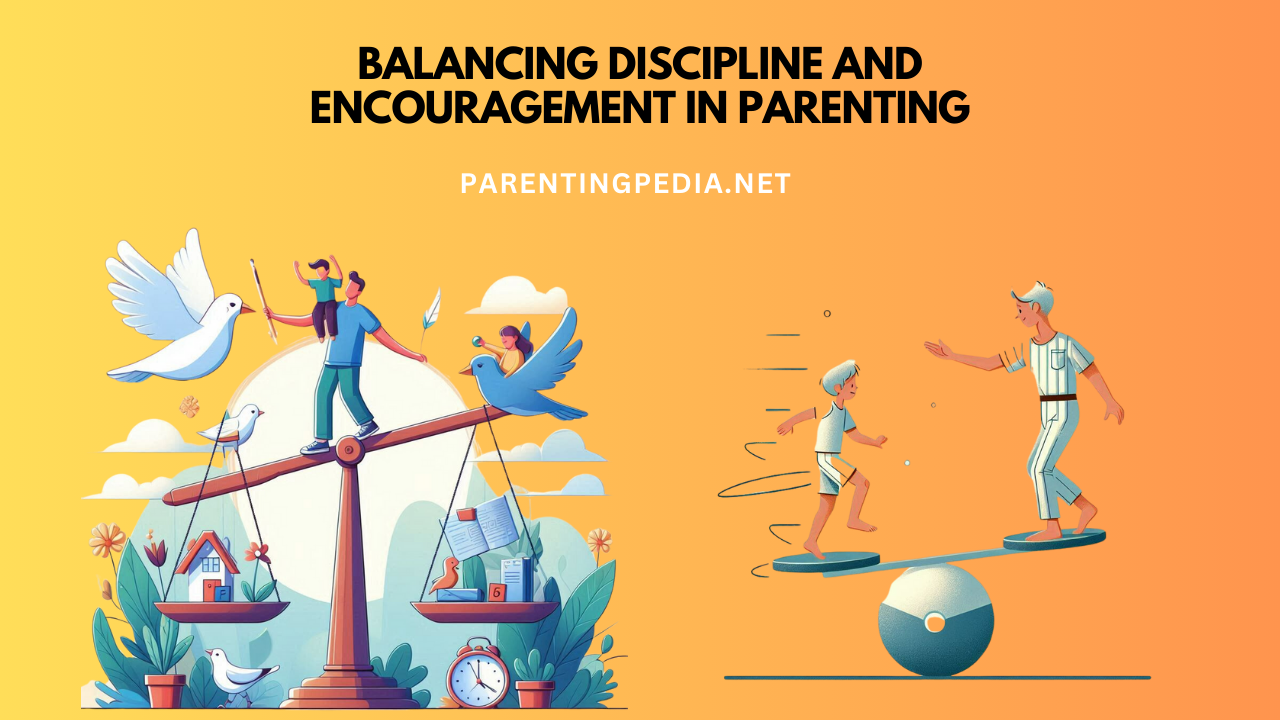
Balancing Discipline And Encouragement In Parenting

Balancing discipline and encouragement is a vital aspect of effective parenting. Discipline and encouragement are two key components in children development where they are guided towards becoming responsible, empathetic, and well-adjusted adults. Discipline helps set boundaries and teach children about acceptable behavior, while encouragement promotes self-esteem, confidence, and a sense of accomplishment in child. Balancing these two aspects is crucial for raising children who are not only well-behaved but also emotionally resilient and motivated. This article will state the importance of both discipline and encouragement, the challenges of finding the right balance by parents, and strategies for effectively integrating both discipline and encouragement into parenting.

The Importance Of Discipline In Parenting

Discipline is often misunderstood as punishment, but it is about teaching children self-control, responsibility, and respect for others. Effective discipline helps children understand the consequences of their actions and learn how to make better choices in the future. It provides the structure and consistency that children need to feel secure and to understand the difference between right and wrong.

Teaching Self-Regulation and Responsibility: One of the primary goals of discipline is to help children develop self-regulation. Self-regulation means ability to manage one’s emotions, behavior, and impulses. When children learn to self-regulate, they can control their reactions to different situations, which is important for social interactions and academic success. Discipline teaches children that their actions have consequences, which in turn promotes a sense of responsibility in them.

Establishing Boundaries And Expectations: Discipline also involves setting clear boundaries and expectations. Children need to know what is expected of them and what the limits are. Boundaries help children feel safe and secure because they provide a predictable environment. When parents set consistent rules and enforce them, children understand what is acceptable behavior and what is not. This clarity reduces confusion and help children develop strong ethics in life.

Promoting Respect And Empathy: Discipline is essential in teaching children respect and empathy. By learning to respect rules and authority, children also learn to respect others person’s rights and feelings. When discipline is enforced in a way that emphasizes understanding and empathy, children learn to consider how their actions affect others.

The Role Of Encouragement In Parenting

While discipline is necessary for setting boundaries and teaching responsibility, encouragement is equally important for nurturing a child’s self-esteem, confidence, and motivation. Encouragement involves recognizing and reinforcing positive behavior, efforts, and achievements. It helps children in developing a positive self-image and growth mindset, where they see challenges as opportunities to learn and grow.

Building Self-Esteem And Confidence: Encouragement plays a vital role in building a child’s self-esteem. When parents acknowledge their child’s efforts and successes, the child feels valued and capable. This positive reinforcement boosts child’s confidence and motivates him/her to continue working hard in life and achieve success.

Also Read: Tips on How to Discipline Your Children Without Yelling

Promoting a Growth Mindset: A growth mindset is the belief that abilities and intelligence can be developed through effort, learning, and persistence. Encouragement promotes this mindset by emphasizing the value of effort rather than just the outcome. When parents praise children for their hard work and determination, rather than simply the end result, children learn to overcome challenges and view failure as a learning opportunity. This mindset is crucial for lifelong learning and personal development of child.

Strengthening Parent-Child Relationships: Encouragement also strengthens the parent-child relationship. When children feel supported and appreciated, they are more likely to trust their parents and seek their guidance. This trust forms the foundation of a strong and healthy relationship, where open communication and mutual respect develop over time. Encouragement promotes a positive emotional connection between parents and child, making children more receptive to guidance and discipline.

Challenges Of Balancing Discipline And Encouragement

While both discipline and encouragement are essential components of effective parenting, finding the right balance can be challenging. Parents may struggle with being too lenient or too strict, and achieving balanced mix of these approaches requires careful consideration and strategy by parents.

Avoiding Over-Discipline: One of the main challenges in balancing discipline and encouragement is avoiding over-discipline. When discipline is excessive or overly harsh, it can lead to negative outcomes such as fear, resentment, and low self-esteem. Children who experience constant criticism or punishment may become anxious, rebellious, or withdrawn over time. Over-discipline can also damage the parent-child relationship, leading to lack of trust and communication between them. It is important for parents to recognize that discipline should be about teaching and guiding, not just punishing.

Risks Of Being Overly Lenient: Being overly lenient can also have negative consequences. Without clear boundaries and consistent discipline, children may struggle with self-control and responsibility. They may become entitled, disrespectful, or unable to cope with challenges in adult life. Over leniency can lead to behavioral problems, as children may not understand the importance of rules and consequences. It is crucial for parents to enforce rules consistently while still offering support and encouragement to child.

Striking Right Balance In Discipline And Encouragement: Striking the right balance between discipline and encouragement requires flexibility and awareness by parents. Parents need to assess their child’s individual needs, temperament, and the specific situation at hand. Some children may require more structure and discipline, while others may thrive with more encouragement and freedom. The key is to be responsive to the child’s behavior and to adjust the approach as needed. It is also important for parents to be consistent in their discipline while remaining empathetic and supportive towards child.

Strategies For Balancing Discipline And Encouragement

Achieving a balance between discipline and encouragement is a process that involves thoughtful strategies and practices. Here are some effective approaches that can help parents find this balance:

Positive Discipline: Positive discipline focuses on teaching and guiding rather than punishing. It involves setting clear expectations, providing consistent consequences, and using positive reinforcement to encourage good behavior in child. This approach helps children understand the importance of responsibility while also feeling motivated by positive outcomes of their actions.

Clear And Consistent Communication: Effective communication between parents and child is essential for balancing discipline and encouragement. Parents should clearly communicate their expectations, rules, and the reasons behind them. When children understand the reason for rules, they are more likely to comply by them. Additionally, parents should actively listen to their children’s thoughts and feelings, validating their emotions while guiding them toward better behavior.

Setting Realistic Expectations: Setting realistic expectations is crucial for both discipline and encouragement. Parents should consider their child’s age, developmental stage, and individual temperament when establishing rules and expectations. Unrealistic expectations can lead to frustration for both the parent and the child. By setting achievable goals and gradually raising expectations as the child matures, parents can encourage a sense of accomplishment and build their child’s confidence.

Discipline And Encouragement In Parenting

Conclusion

Discipline and encouragement both are needed for effective development of child. While discipline provides the structure and boundaries necessary for children to develop self-regulation, responsibility, and respect, encouragement nurtures their self-esteem, confidence, and motivation. Finding the right balance between discipline and encouragement requires thoughtful strategies, clear communication, and a deep understanding of the child’s individual needs. By implementing positive discipline techniques, modeling desired behavior, and promoting a growth mindset, parents can raise children who are not only well-behaved but also resilient, confident, and capable of facing life challenges.

FAQ

Why is encouragement important in parenting?

Encouragement in parenting is vital as it boosts a child’s self-esteem, confidence, and motivation. It helps children develop a positive self-image, promote a growth mindset, and strengthens the parent-child bond. Through encouragement, children feel valued and supported, which is essential for their emotional and psychological development.

How do parents balance encouragement and discipline in child development?

Parents balance encouragement and discipline by setting clear expectations and consistent rules while recognizing and praising effort. They use positive reinforcement to motivate good behavior in child. This approach nurtures self-regulation and confidence, ensuring children are disciplined yet supported in their development.

Remember, the greatest reward of parenting lies in watching
your children soar with love and confidence.

🎉 Score Freebies by Completing Fun Offers – Start Now!
The Importance Of Early Childhood Education

Early childhood education (ECE) refers to the period of learning that takes place typically from birth to eight years old. During this time, children experience rapid cognitive, social, and emotional development. Early Childhood Education (ECE) programs, such as preschools and kindergartens, are designed to nurture these developmental areas through play-based learning and interactive activities. Research shows that early education sets a strong foundation for lifelong learning, academic success, and well-being of children. The importance of ECE has gained widespread recognition, not only for its role in individual child development but also for its wide impact on society. By promoting essential skills in children, ECE plays a crucial role in shaping a child’s future and contributing to a more equitable society.

The Role Of Early Childhood Education In Development

Early childhood education plays a pivotal role in the holistic development of children. It is essential for cognitive development, social and emotional development as well as physical development of child.

Cognitive development: Early childhood period is crucial for cognitive development of child, particularly in areas such as language acquisition, problem-solving, and critical thinking. Structured ECE programs are designed to nurture these skills through play-based learning, storytelling, and hands-on activities that engage children in ways that are both enjoyable and educational.

Social and Emotional development: Social and emotional development is another critical aspect of early childhood education. In an ECE setting, children learn to interact with their peers, develop empathy, and manage their emotions. These social skills are essential for child in terms of building relationships, resolving conflicts, and functioning effectively in future . Emotional regulation, which is often nurtured through positive reinforcement and guided interactions, helps children develop resilience and a sense of self-worth.

Physical development: Physical development is also a key focus of early childhood education. Through ECE activities, children improve their coordination, strength, and overall health. Early Child Education programs often include physical activities that encourage movement, such as outdoor play, dance, and sports, which are essential for a child’s physical well-being and contribute to their ability to focus and learn.

Long-Term Benefits Of Early Childhood Education

The benefits of early childhood education extend well beyond the early years, influencing academic, social, and economic outcomes throughout a person’s life:

Academic Success: Children who participate in high-quality ECE programs are more likely to succeed academically. They tend to have better literacy and numeracy skills, which set the stage for continued academic achievement. This early success in school often leads to higher levels of educational accomplishment in future life.

Social Outcomes: Children who receive early education are better equipped to navigate relationships and communicate effectively. They learn essential life skills, such as cooperation, negotiation, and respect for others, which are critical for building strong interpersonal relationships. These skills are not only important for personal well-being of child but also for contributing positively to society.

Economic Impact: From an economic perspective, early childhood education has been linked to higher earnings and lower crime rates in adulthood. Individuals who attended quality ECE programs are more likely to secure stable employment and earn higher wages than their peers who did not receive early education. Additionally, these individuals are less likely to engage in criminal behavior in future.

Importance of Childhood Education

The Impact Of Early Childhood Education On Disadvantaged Children

One of the most significant advantages of early childhood education is that it reduce the gap between low and high income families. Children from low-income families or marginalized communities often start school with fewer resources and less exposure to educational opportunities. ECE programs can help bridge this gap by providing a supportive learning environment that provide development opportunities for disadvantaged children. Studies have shown that children from low income families who participate in ECE programs are more likely to perform well in school. These positive outcomes not only benefit the individuals involved but also contribute to breaking the cycle of poverty and inequality in society.

The Role Of Parents And Caregivers In Early Childhood Education

Importance of Parental Involvement: While early childhood education programs are essential, the role of parents and caregivers cannot be overstated. Parents are a child’s first and most influential teachers, and their involvement in early education is important for success of child in future. Effective communication between educators and parents is also vital, as it ensures that both parties are working together to support the child’s development. Engaging in activities such as reading to children, playing educational games, and encouraging curiosity can significantly enhance a child’s learning experience.

Also Read: Some Fun and Educational Activities to Boost Your Child’s Brain Development

Ways parents can support early learning at home: Children whose parents are actively involved in their education tend to perform better academically and socially. This involvement can take many forms, including volunteering in the classroom, attending parent-teacher conferences, and supporting learning at home. Engaging in activities such as reading to children, playing educational games, and encouraging curiosity in children also enhance a child’s learning experience.

Collaboration between educators and families: Collaborative efforts between educators and families create a strong support system for children, promoting consistency between home and school environments. This partnership is particularly important for children with special needs or those facing significant challenges, as it ensures that their unique needs are met both at home and in the educational setting.

Challenges In Early Childhood Education

Early childhood education faces significant challenges, including accessibility and affordability, shortage of qualified teachers and funding for ECE programs:

Accessibility and Affordability: One of the most significant issues in Early Child Education is accessibility and affordability. High-quality ECE programs can be expensive, making them inaccessible to many families, particularly those from low-income backgrounds. This lack of access aggravate existing inequalities, preventing many children from receiving the early education they need to succeed.

Training and Retention of Qualified Educators: Another challenge is the recruitment, training, and retention of qualified early childhood educators. Teaching young children requires specialized skills and knowledge, yet many educators are underpaid and undervalued. Adequate training for teachers, fair compensation, and ongoing professional development is important for maintaining the quality of early education programs.

Policy and Funding Challenges: Policy and funding challenges also pose significant obstacles to the expansion and improvement of early childhood education. In many countries, ECE is not prioritized in government budgets, resulting in underfunded programs and inadequate resources. Increased investments for early childhood education is essential to ensure that all children have the opportunity to benefit from these programs.

Conclusion

In conclusion, the importance of early childhood education cannot be overstated. By contributing in cognitive, social, emotional, and physical development of child, Early Childhood Education programs build the foundation for coming success of children. The long-term benefits of early education particularly for disadvantaged children are huge, making it a critical area for investment by governments. By being a part of Early Childhood Education, children receive the best possible start in life and yield significant returns in the form of better academic outcomes, stronger social skills, and positive contribution to societies.

FAQ

What is meant by early childhood education?

Early childhood education refers to the structured learning and developmental experiences provided to children from birth to around eight years old. It focuses on nurturing cognitive, social, emotional, and physical growth through group and play-based activities, laying the foundation for lifelong learning, academic success, and overall well-being.

What is the aim of early childhood education?

The aim of early childhood education is to support and nurture the overall development of young children. By promoting cognitive, social, emotional, and physical growth, ECE prepares children for future academic success, promotes positive social interactions, and builds a strong foundation for lifelong learning and overall well-being.

Remember, the greatest reward of parenting lies in watching
your children soar with love and confidence.

🎉 Score Freebies by Completing Fun Offers – Start Now!
Positive And Negative Effects Of Digital Media On Children

Effects Of Digital Media

Digital media has become an integral part of modern life in today’s time. It is deeply influencing the lives of children and teens along with adults too. It has become an addiction in today’s world where almost all people are excessively consuming digital media. It is hugely impacting lives of children, offering both benefits and challenges. On positive side, it provides educational resources, enhances cognitive skills and encourages creativity in children. Similarly, negative effects of digital media includes physical health issues and mental health concerns due to excessive use. This article explores both the positive and negative effects of digital media on children and its effect on mental health and physical well-being of children.

Positive Effects Of Digital Media On Children

There are many positive effects of digital media which includes easy access to information, social connectivity, intellectual development of child, skill development and more:

1. Educational Benefits

Digital media offers vast educational resources that significantly help in learning process. There are tons of educational apps, videos, and even interactive games that teach new concepts to children in engaging ways. For example:

Interactive Learning: Tools like Khan Academy and Duolingo offer interactive lessons with children and use different learning styles so that child can learn new concepts in easy way.

Access to Information: The internet provides instant access to huge information regarding variety of topics, allowing children to research and expand their knowledge beyond the classroom.

Skill Development: Educational games and apps can help develop critical thinking, problem-solving, and technical skills in children.

2. Cognitive Development

Engagement with digital media can also contribute to cognitive development of child in various ways:

Enhanced Visual-Spatial Skills: Visual-spatial skill is ability to mentally manipulate 2-dimensional and 3-dimensional figures. Video games, particularly those that require strategy and spatial awareness can improve visual-spatial skills and hand-eye coordination.

Improved Multitasking Abilities: Certain types of digital media such as educational video games and social media platforms can enhance a child’s ability to multitask and process information quickly.

3. Social Connectivity

Digital media helps in maintaining social connections especially with those who live far and provide platforms for social interactions:

Communication: Social media and messaging apps help children to stay in touch with friends and family. It helps to maintain connection even if someone lives far away.

Collaboration: Online forums and collaboration tools enable children to work together on projects, even when they are physically apart.

Also Read: Not Just About Screen Time: Why a Healthy Digital Diet Matters

4. Creativity And Self Expression

Electronic media helps children in showcasing their creativity and self expression through various platforms:

Content Creation: Platforms like YouTube and Instagram allow children to create and share their own content, promoting creativity and self-expression.

Art and Design: Digital tools available online help children to experiment with art, music and design in various ways.

5. Entertainment and Leisure

Digital media offers a wide range of entertainment options like movies, music, games, web series etc. to enjoy and relax your mind.

Relaxation and Stress Relief: Engaging with digital media can be a way for children to relax and unwind after school or other activities.

Cultural Exposure: Access to global content on internet exposes children to different cultures and perspectives, broadening their understanding of the world.

Negative Effects Of Digital Media On Children

1. Impact on Physical Health

Excessive use of digital media can have detrimental effects on children’s physical health:

Sedentary Lifestyle: Prolonged screen time can contribute to a sedentary lifestyle, leading to issues such as obesity and health related problems in children.

Eye Strain: Extended periods of screen use can cause eye strain, discomfort, and potentially lead to long-term vision problems in children at very young age.

2. Mental Health Concerns

Digital media can also impact mental health of child in various negative ways:

Anxiety and Depression: Excessive use of social media has been linked to increased feelings of anxiety and depression. Consuming digital content can increase fear of missing out and feelings of inadequacy in children, leading to symptoms such as stress and loneliness.

Sleep Disturbances: The use of screens, especially before bedtime, can interfere with sleep patterns, leading to sleep deprivation and related health issues in children.

3. Social Skills and Development

While digital media can promote social connections, it can also hinder the development of real life social interactions:

Reduced Face-to-Face Interaction: Over dependence on digital communication can result in reduced face-to-face interactions, which are crucial for developing real life social skills and empathy.

Cyberbullying: The anonymity of the internet can sometimes lead to cyberbullying, which can have severe emotional and psychological effects on children.

4. Exposure To Inappropriate Content

The internet provides access to a wide range of content, some of which may be inappropriate for children:

Violence and Explicit Content: Children may be exposed to violent or explicit content that is not suitable for their age, which can impact their behavior and psychological state.

Misinformation: There is way too much information on internet that is either fake or incorrect which can lead to confusion and development of incorrect beliefs in children at an early age.

5. Attention and Focus Issues

Overuse of digital media can affect child’s attention span time and ability to focus:

Shortened Attention Span: Constant exposure to quick, engaging content like Instagram reels and You tube shorts can shorten attention span time of children and make it difficult for them to engage in longer, more demanding tasks.

Distraction: The temptation of using digital media can distract children from important day-to-day activities such as homework, reading, and physical play.

Balancing The Effects Of Digital Media

Given the prevalent presence of digital media in children’s lives, it is important for them to find a balance that maximizes its benefits while reducing its negative impacts. Here are some strategies for achieving this balance:

1. Setting Limits

Parents and educators can set reasonable limits on screen time to ensure that children engage in a variety of other activities:

Screen Time Guidelines: Establishing clear rules about when and how long children can use digital devices can help prevent excessive use of digital media.

Encouraging Offline Activities: Apart from using digital media, child should engage in other activities such as sports, reading, and outdoor play for healthy balance in life.

2. Monitoring Content

Monitoring the content that child consume can help protect him/her from inappropriate material:

Parental Controls: Utilizing parental control features on digital devices can help filter out unsuitable content for children especially of younger age.

Open Communication: Encouraging open communication about what children are watching and playing can help parents understand and guide them about using digital devices.

Effects Of Digital Media

Conclusion

Needless to say, digital media has huge impact on lives of children, offering both significant benefits and potential drawbacks. While it provides valuable educational resources, intellectual stimulation, and opportunities for social connection and creativity, it also poses risks to physical and mental health, social development and cause short attention span. By setting limits, monitoring content, promoting healthy habits, educating about digital literacy, and encouraging positive use, parents and educators can help children use digital media safely and effectively, maximizing its benefits while minimizing its negative effects.

FAQ

What is the positive impact of electronic media on children?

Electronic media positively impacts children by providing educational resources, enhancing cognitive skills, promoting social connections and encouraging creativity. It offers interactive learning opportunities, improves visual-spatial abilities, and enables communication and collaboration, contributing to well-rounded development of children.

How can digital media negatively affect a child?

Digital media can negatively affect children by contributing to physical health issues like obesity and eye strain, mental health problems such as anxiety and depression, reduced social skills due to less face-to-face interaction, exposure to inappropriate content, and shortened attention span time, hindering their overall development and well-being.

Remember, the greatest reward of parenting lies in watching
your children soar with love and confidence.

🎉 Score Freebies by Completing Fun Offers – Start Now!
Importance Of Effective Communication With Young Children

Importance Of Effective Communication With Young Children

Effective communication with young children is important for their overall development and well-being. Parents, teachers and family must understand the importance of communication with children to support development and overall growth of their children. The early years of child are a critical period for brain development, social skills, and emotional well-being, all of which can be influenced by communication. Needless to say that effective communication is crucial as it lays the foundation for social, emotional, cognitive, and linguistic growth of child. This article discuss about various aspects of communication with children and how communication impacts language development, cognitive growth, emotional intelligence, social skills, and overall well-being of child.

Importance Of Effective Communication In Language Development Of Child

Language development in child is affected by early communication with him/her. From birth, children are immersed in world of signs, sounds and words that shape their ability to understand and use language.

Receptive and Expressive Language Skills: Communication with young children develop habit of both understanding and speaking language skills in children. Infants begin to recognize familiar voices, and through frequent verbal interactions, they start to associate sounds with meanings. As they grow, toddlers learn to understand and follow simple instructions, which enhances their receptive language. Expressive(speaking) language develops as children imitate sounds and words they hear, gradually building a vocabulary that allows them to express their needs, thoughts, and feelings.

Vocabulary Expansion: Children whose parents and caregivers engage in frequent and varied conversations, tend to have larger vocabularies and better language skills. This exposure to a diverse range of words and sentence through communication by parents and educators provides the foundation for effective communication and literacy skills later in life.

Importance Of Effective Communication In Cognitive Growth Of Children

Early communication is important for cognitive or intellectual development in children. Through interactions with adults and peers, children learn to think, solve problems, and understand the world around them.

Encouraging Curiosity and Exploration: When adults communicate with young children, they often ask questions, provide explanations, and encourage exploration. This kind of interaction stimulates a child’s curiosity and supports cognitive development in child.

Building Knowledge and Concepts: Effective communication helps children build their knowledge base and understand concepts. Through conversations and storytelling, children learn about numbers, colors, shapes, and more complex ideas. These foundational concepts are crucial for later academic success and problem-solving abilities in children.

Effective Communication And Emotional Intelligence In Children

Emotional intelligence is the ability to understand and manage one’s emotions and empathize with others. Early and clear communication with child also impacts development of emotional intelligence in child. Children with emotional intelligence are able to build and maintain strong relationships with their peers, family members, and teachers and also communicate effectively, 

Expressing and Understanding Emotions: Through effective communication, children learn to express their emotions. When parents and caregivers communicate and talk about feelings with children, they begin to understand and express their own emotions. Effective communication with children help them recognize their emotions and feel validated, which is essential for emotional development of child.

Empathy and Social Awareness: Empathy is the ability to imagine how other person is feeling. By observing and participating in conversations about emotions with parents and peers, children also develop empathy.

Importance Of Effective Communication In Developing Social Skills In Children

Effective communication plays a major role in development of social skills in children, teaching them to build relationships, interact and handle social situations in life.

Building Relationships: From an early age, effective communication helps children form bonds with their caregivers, family members, and peers. Interactions such as responsive and affectionate communication with family and friends help build positive and secure attachments of child. These attachments are the foundation for healthy social development of children and provide a sense of safety and belonging to them.

Also Read: Promoting Awareness for Parents and Kids

Collaboration and Problem-Solving: Through communication, children learn to share ideas, negotiate, and collaborate with others. Group activities and playtime with other children provide opportunities for child to practice these skills. Such activities are essential for developing cooperation and ability of problem-solving among children.

Challenges In Effective Communication With Young Children

While the benefits of communication with child are clear, there are challenges that parents have to face while effectively communicating with their child:

Socioeconomic Factors: Socioeconomic status can influence the communication between parents and child. Children from lower income families may have less opportunities for effective and clear communication with parents and educators which can impact their language development and intellectual growth. Addressing such problems through early intervention and supportive resources is important for equal development of children.

Screen Time: The increasing use of digital devices presents a challenge for face to face communication between parents and child. Excessive screen time can reduce the quality and quantity of interactions between children and parents. It is important to balance screen time with meaningful in-person communication, group activities and family time to ensure healthy development of child.

Cultural Differences: Cultural differences significantly influence ways of effective communication with children. Various cultures have different practices regarding verbal and non-verbal interactions. Understanding and respecting these differences is essential for promoting an extensive environment that supports child development. Parents and educators should be culturally responsive, recognizing that diverse communication practices play a major role in development of child social and linguistic skills and contribute to overall growth of child.

Strategies For Effective Communication With Young Children

To maximize the benefits of effective communication with children, parents, caregivers, and educators can adopt several effective strategies:

Active Listening: Active listening involves giving full attention to the child and responding thoughtfully to their words. This practice shows the child that their thoughts and feelings are important and encourages them to communicate openly.

Rich Verbal Interactions: Engaging in rich verbal interactions means using a wide range of vocabulary including variety of words and sentences. Reading books, telling stories, and discussing various topics with children are examples of activities that include rich verbal interactions with child.

Encouraging Questions And Curiosity: Encouraging children to ask questions and express their curiosity promotes cognitive and language development in children.

Emotional Validation: Validating a child’s emotions involves acknowledging and accepting their feelings without judgment. This practice helps children feel understood and supported, contributing to their emotional intelligence and well-being.

Creating a Language Rich Environment: Creating a language-rich environment involves finding different opportunities for effective communication with children. Having conversations during daily routines, playing word games, and providing access to books and educational materials are examples of creating a language rich environment for child.

Importance Of  Effective Communication With Young Children

Conclusion

Needless to say, effective communication with children extends beyond simple interactions between child and parents. It is a vital component of their overall development, influencing language skills, cognitive growth, emotional intelligence, social competence, and well-being of child. By understanding the impact of early and effective communication and adopting effective strategies, parents, caregivers, and educators can nurture a child’s potential and lay the foundation for a healthy, successful future of child. Clear and effective communication with young children plays a major role in overall development and growth of child.

FAQ

Why effective communication is important with young children?

Effective communication with young children is important for their language development, cognitive growth, emotional intelligence, and social skills. It promotes self-esteem, curiosity, and problem solving ability, laying the foundation for overall well-being and development of children.

What is the value of effective communication for children?

Effective communication helps children in developing social skills, emotional intelligence, and language development. It boosts self-confidence, enhances problem-solving abilities of child and strengthens relationships with family and peers. Effective communication helps in developing skills that will enhance better future opportunities for child and lead to successful life

Remember, the greatest reward of parenting lies in watching
your children soar with love and confidence.

🎉 Score Freebies by Completing Fun Offers – Start Now!
The Importance Of Sleep For Children And Teens

Importance of sleep for overall well-being of children and teens cannot be understated. It plays an important role in physical health, cognitive function, emotional well-being, and overall development of children. During critical developmental years of child, adequate sleep supports growth, immune function, and academic performance while having effect on mood regulation and social interactions too. Not only children and teens, adequate sleep is important for health of adults too. Though importance of sleep cannot be denied, yet, it is often undervalued, leading to various health and developmental issues in children. This article talks about significance of sleep for children and teens, and how quality sleep is much needed for physical and psychological benefits for children.

Importance Of Sleep For Physical Health And Growth

Growth and Development: Sleep is critical for physical growth and development in children and teens. During sleep, the body releases growth hormones that are essential for tissue and muscle growth, repair, and overall physical development. Sleep is particularly important for teens during puberty, as it supports rapid physical growth, hormone regulation, and brain development.

Immune System Function: Adequate sleep helps in strengthening the immune system too. During sleep, body produces immune cells that help fight infection and inflammation and also reduce stress in body. Lack of sleep can weaken the immune system, making children and teens more prone to illnesses such as the common cold and flu.

Weight Management: Sleep also plays an important role in weight management. Insufficient sleep can disrupt the balance of hormones that regulate hunger, leading to increased appetite and potential weight gain. This imbalance can contribute to obesity which is a growing concern among children and teens.

Importance Of Sleep For Cognitive Function and Academic Performance

Memory and Learning: Sleep is essential for cognitive functions such as memorization power , learning, and problem-solving. During sleep, the brain processes and stores information that you acquired during the day. This process is important for academic success, as it enhances the ability to recall information and apply knowledge.

Also Read: 10 Simple Ways To Improve Your Toddler’s Sleep Schedule

Attention and Concentration: Adequate sleep improves attention, concentration, and decision-making skills in children. Children and teens who understand importance of sleep and get sufficient sleep are more likely to stay focused and engaged in school activities, leading to better academic performance. In contrast, sleep-deprived students often face negative consequences such as short attention span, less focus power, increased stress, and long-term health issues.

Creativity and Critical Thinking: Quality sleep also promotes creativity and critical thinking in children. Adequate rest allows brain to function well, enabling children to think creatively and critically, which is crucial for their academic and personal growth. A well-rested child is more likely to think innovative ideas and solutions rather than sleep deprived child.

Importance Of Sleep For Emotional And Mental Well-Being In Children

Mood Regulation: Sleep has huge impact on emotional and mental health of child. Adequate sleep helps stabilize mood and reduce the risk of mood disorders such as depression and anxiety. Sleep-deprived children and teens are more prone to irritability, mood swings, and emotional instability.

Stress Management: Sleep helps manage stress by reducing stress hormones in our body. Chronic sleep deprivation can lead to elevated cortisol levels, increasing the risk of stress-related conditions such as anxiety and depression. A good night’s sleep enhances resilience to stress and improves overall emotional well-being.

Social Interactions: Adequate sleep is crucial for healthy social interactions. Well-rested children and teens are more likely to engage positively with other people and develop strong interpersonal relationships. In contrast, sleep-deprived children and teens may struggle with social interactions, leading to loneliness and social difficulties in conversing with others.

Importance Of Sleep In Behavior Of Children And Teens

Adequate and quality sleep helps in improving brain performance, mood and health of children and teens. Importance of sleep cannot be denied in behavior such as impulse control and decision-making. Well-rested children and teens are able to make thoughtful decisions and resist impulsive behaviors. Importance of sleep is such that sleep deprivation in children can weaken their judgement and decision making abilities. Lack of sleep can increase the chances of children and teens engaging in risky behaviors such as violence and abuse, reckless driving etc.

The Importance of Sleep

Importance Of Sleep In Maintaining Health Of Children And Teens

Adequate sleep is important for physical and mental health of children. Lack of sleep can lead to long term health consequences such as:

Chronic Health Conditions: Lack of sleep in childhood and adolescence can have long-term health consequences. It increases the risk of developing chronic diseases such as hypertension, diabetes and even cardiovascular diseases. Prioritizing sleep during these growing years can help prevent these conditions and promote long-term health.

Lifelong Sleep Patterns: Establishing healthy sleep patterns in childhood and teenage sets the foundation for lifelong sleep habits. Children and teens who learn the importance of sleep and establish good sleeping habits are more likely to continue these habits into adulthood, leading to better overall health and well-being.

Strategies For Improving Sleep In Children And Teens

Establishing a Sleep Routine: Creating a consistent sleep routine is essential for improving sleep quality. Children and teens should go to bed and wake up at the same time every day, even on weekends. This consistency helps build sleep routine and promotes better sleep.

Creating a Sleep-Friendly Environment: The sleep environment plays an important role in sleep quality. Bedrooms should be cool, dark, and quiet, with comfortable mattresses and pillows. Reducing exposure to screens such as TVs, computers, and smartphones before bedtime can also improve quality of sleep.

Encouraging Physical Activity: Regular physical activity can promote better sleep. Children and teens should engage in physical activity everyday. However, it is essential to avoid exercise and outdoor play-time close to bedtime, as it can interfere with the ability to fall asleep.

Limiting Caffeine and Sugar Intake: Caffeine and sugar can disrupt sleep patterns. Limiting the consumption of beverages that contain caffeine such as tea and coffee and sugary snacks, especially in the afternoon and evening, can help improve sleep quality.

Stress Management Techniques: Teaching children and teens stress management techniques such as meditation and deep breathing exercises can help improve sleep. Reducing stress levels can make it easier to fall asleep and stay asleep throughout the night.

Conclusion

The importance of sleep for children and teens cannot be undervalued. Sleep plays a major role in physical health, cognitive function, emotional well-being, and overall development of children. Adequate sleep is also important for children and teens because it strengthens the immune system, helps in weight management and enhances academic performance. By teaching importance of sleep to children and implementing healthy sleep habits, parents and educators can help children and teens grow and develop well. Prioritizing sleep not only benefits immediate health and development but also establishes a foundation for lifelong wellness and success.

FAQ

Why is sleep important to children?

Sleep is essential for children as it plays an important role in physical growth, cognitive development, and emotional well-being of children. Adequate sleep enhances memory, learning, and attention, while also boosting the immune system and overall health. Proper sleep habits help children to perform well academically, socially, and physically.

How does lack of sleep affect child development?

Lack of sleep negatively impacts child development by slowing down physical and mental growth and causing emotional instability. It weakens the immune system, increases the risk of obesity and lead to bad behavior in children. Poor sleep habits can lead to long-term health issues and slow development in children.

Remember, the greatest reward of parenting lies in watching
your children soar with love and confidence.

🎉 Score Freebies by Completing Fun Offers – Start Now!

Effective Parenting Tips For Child Development

Effective parenting is important for overall development of a child. Parenting influences child’s emotional, social, intellectual and physical development, shaping them into overall individuals. Every child is unique and effective parenting involves understanding and responding to child’s individual needs and strengths. Effective parenting style plays an important role in proper development and well-being of children. This article offers practical tips and strategies for effective parenting that will support child development across various fields of life and will guide him towards being a better individual. By adopting these tips and strategies, parents can help their child in growing and reaching their full potential, and can also build a foundation for a successful and fulfilling life of their children.

Effective Parenting Tips To Promote Emotional And Psychological Development

Emotional and psychological development in children involves building secure attachments with child and encouraging child to express his/her feelings. Emotional and psychological development of child is important so that child can face life’s challenges easily. Following are tips for emotional and psychological development of child:

Consistency and Responsiveness: Be consistently responsive to your child’s needs. This helps build trust and a secure attachment with child, which is important for emotional stability.

Physical Affection: Offering hugs and kisses regularly to children and other forms of physical affection reinforce a sense of security and love in children.

Open Communication: Develop an open environment at home where your child feels safe expressing their feelings. Encourage them to talk about their emotions and share their experiences.

Encourage Emotional Expression: Encourage your child to open up emotionally and describe their feelings.

Self-Regulation: Along with emotional expression, demonstrate to child how to manage emotions effectively. Show your child healthy ways to deal with stress, anger and frustration.

Calm Responses: Respond to your child’s emotional outbursts with calmness and empathy. Teach your child to do the same.

Effective Parenting Tips To Promote Social Development

Social development in children involves promoting positive social interactions and teaching communication skills. Practices for social development of child make child cooperate, share and empathize with others, forming the foundation for healthy relationships and effective social functioning in future. Following are practices that must be included to promote social development:

Playdates and Group Activities: Promote positive social interactions by arranging playdates and encouraging participation in group activities to enhance social skills of child.

Model Social Behavior: Exhibit positive social behaviors such as sharing, empathy, and cooperation to child so that he/she can learn and follow similar social behavior in life.

Active Listening: Teach your child the importance of listening attentively when others speak.

Expressing Needs and Wants: Encourage your child to express their needs and wants clearly and respectfully in front of others.

Problem-Solving Skills: Teach your child how to identify problems in life and come up with potential solutions.

Mediation Techniques: Show them how to mediate in conflicts and arguments by listening to all sides and finding a compromise.

Effective Parenting Tips To Promote Cognitive Development

Educational Activities: Stimulate intellectual curiosity in children by encouraging them to engage in activities that promote learning, such as reading books, playing educational games and exploring nature.

Encourage Questions: Develop curiosity by encouraging your child to ask questions and explore new ideas.

Homework Routine: Support intellectual development of child by encouraging them to achieve academically. Establish a regular homework routine and provide a quiet, well-lit space for studying.

School Involvement: Stay involved in your child’s education by attending parent-teacher meetings and staying informed about their progress.

Encourage Critical Thinking: Use open-ended questions to stimulate critical thinking and encourage your child to reason through problems.

Problem-Solving Activities: Engage your child in activities that require problem-solving, such as puzzles and strategy games.

Effective Parenting Tips To Promote Physical Development

Promote Healthy Eating Habits: Parents should provide a healthy and balanced diet rich in fruits, vegetables, whole grains and proteins to children. They must also ensure that their child is not inclined towards processed or packaged foods and is opting for healthy snacks instead.

Encourage Physical Activity: Encourage child to participate actively in play, sports and other physical activities to promote physical fitness. Establish a regular schedule for child that includes time for physical activity.

Also Read: Parenting Tips for Toddlers

Limit Screen Time: Limiting screen time in children is crucial for their overall health and development. Establish and enforce daily or weekly screen time limits based on your child’s age and needs. Encourage other activities in children like reading, outdoor play, sports, and hobbies that don’t involve screens.

Ensure Adequate Rest: Parents must establish a regular sleep routine to ensure their child gets adequate rest. Parents can also teach relaxation techniques and meditation to children to help them relax and calm their mind.

Effective Parenting Tips to Manage Digital Media And Technology

Digital media and technology play a significant role in the lives of children. While offering numerous learning opportunities, it also presents challenges that require careful management by parents and educators. Following are tips to manage digital media and technology effectively in lives of children:

Set Screen Time Limits: Parents must set reasonable limits on screen time to ensure a balanced lifestyle and involve child in other helpful activities like reading, playing, hiking instead. Parents can also encourage the use of educational content and applications available on digital devices to children rather than consumption of other inappropriate content available online.

Teach Digital Citizenship: Parents must educate their child about online safety and privacy. Effective parenting also includes teaching child to communicate respectfully and responsibly online.

Monitor Media Consumption: Parents must monitor the content that child is consuming and must discuss any concerns regarding it with child. Without proper supervision, child may get exposed to inappropriate or harmful content online. Parents can also opt for family media plan that helps ensure that technology and media use is balanced and healthy for all family members, particularly children.

Role Of Positive Home Environment In Development Of Child

A positive home environment is important for a child’s development as it promotes emotional security, stability, and growth. Such an environment is build by love, support, and open communication, which boost a child’s self-esteem and resilience. Following are tips to create a positive home environment for child:

Create a Loving and Supportive Atmosphere: Effective parenting includes creating a loving and supportive atmosphere at home. Parents must prioritize family time at home to strengthen bonds and create a sense of belonging in children.

Promote Open Communication: Parents must maintain an open communication relationship with child, encouraging them to share their thoughts and feelings.

Effective Parenting Tips

Conclusion

Effective parenting is a continuous journey of parents that requires dedication, patience, and adaptability. By focusing on emotional and psychological development, social skills and cognitive growth of child, parents can help children build self-esteem, resilience, and responsibility. Effective parenting also includes focusing on physical health of child, teaching moral and ethical values, building resilience, creating a positive home environment, teaching responsible use of technology, and promoting cultural awareness in child for their overall development and success in life.

FAQ

What does effective parenting mean?

Effective parenting means providing love, support, and guidance to promote emotional, social, and cognitive development in child. It involves consistent discipline, open communication, and modeling positive behavior. Effective parenting helps children build self-esteem, resilience, and responsibility, creating a strong foundation for their overall well-being and success.

What is effective parenting style?

An effective parenting style balances love and discipline, developing a nurturing and structured environment for child. It involves clear communication, setting consistent boundaries, and encouraging independence. Effective parenting promotes emotional security, self-discipline, and social competence in children, supporting their overall development and preparing them for future challenges.

Remember, the greatest reward of parenting lies in watching
your children soar with love and confidence.

🎉 Score Freebies by Completing Fun Offers – Start Now!