

Parenting Tips for Toddlers

Toddlers

Parenthood is a challenging yet rewarding journey, and navigating the toddler years can feel like conquering uncharted territory.

Toddlers, with their boundless energy, growing independence, and occasional tantrums, require a unique set of parenting skills.

In this blog post, we’ll explore practical and Spartan parenting tips for toddlers, addressing common challenges and providing strategies to help you steer through the toddler parenting maze.

Toddler Development:

Toddlers are at a critical stage of developmental milestones, marked by their curiosity and ability to recognize common objects. It’s essential to recognize that each child progresses at their own pace. As a parent, observing and acknowledging your toddler’s achievements, no matter how small, helps build their confidence and independence.

Establish a Routine:

Toddlers thrive on routine. Creating a consistent daily schedule provides a sense of security and predictability for young children. From meal times to playtime and nap schedules, routines help toddlers understand the flow of their day, reducing frustration and promoting a sense of order.

Talk to Other Parents:

Parenting can sometimes feel like a solitary journey, but you’re not alone. Connect with other parents to share experiences, tips, and support. Discussing common challenges and victories can offer valuable insights and reassurance. Online forums, parenting groups, or local meet-ups are excellent platforms for building a supportive network.

FAQ: How can talking to other parents benefit my toddler’s development?

Engaging with other parents exposes your child to social interactions, broadening their understanding of the world. Additionally, shared experiences often lead to helpful tips and strategies.

Encourage Independence:

While it’s natural to want to protect and care for your toddler, fostering independence is crucial. Allow your child to make choices within safe parameters, such as selecting snacks or picking out clothes. This not only nurtures their autonomy but also reduces power struggles.

Healthy Nutrition Habits:

Nutrition plays a vital role in your toddler’s overall development. Establishing healthy eating habits early sets the foundation for a lifetime of well-being. Offer a variety of nutrient-rich foods, and model healthy eating behaviors by sharing family meals. Be patient; it may take several attempts for your toddler to embrace new foods.

Effective Discipline:

Discipline is about guiding, not punishing. Toddlers are still learning about acceptable behaviors, and it’s essential to reinforce positive actions. Praise good behavior, using simple and affirmative language like “yes” or “good job.” When addressing undesirable behavior, opt for brief time-outs or redirection rather than harsh punishment.

FAQ: How can I effectively discipline my toddler without resorting to punishment?

Focus on praising positive behaviors and use redirection techniques. Toddlers respond well to positive reinforcement and often imitate behaviors they see in adults.

Toilet Training Tips:

Toilet training is a significant milestone for toddlers and parents alike. Recognize the signs of readiness, such as showing interest in the toilet or staying dry for more extended periods. Create a supportive environment by using a toddler-friendly potty and offering praise for successful attempts. Be patient and avoid pressuring your child, as each toddler progresses at their own pace.

Physical Activity:

Toddlers need plenty of physical activity to support their growing bodies and development. Incorporate playtime that includes activities like crawling, walking, and playing catch. Going on walks or participating in age-appropriate classes can be a fun way to keep your toddler active while fostering social skills.

Effective Communication: Toddlers may not articulate their thoughts clearly, but they have a strong desire to communicate their wants and needs. Encourage language development by talking to your toddler regularly. Expand their vocabulary by adding to their words. For example, if your toddler says “ball,” you can say something like “blue ball” or “bouncing ball.”

Recognize and Respond to Tantrums: Tantrums are a normal part of toddlerhood, often resulting from frustration or a desire for independence. Rather than escalating the situation, recognize the triggers and respond calmly. Provide simple explanations and offer alternatives when possible. Consistency in your response helps toddlers understand boundaries and expectations.

FAQ: How can I manage my toddler’s tantrums effectively?

Stay calm, provide comfort, and avoid giving in to unreasonable demands. Tantrums are a way for toddlers to express frustration, and your consistent response teaches them healthy ways to cope.

  1. Create a Safe Environment: Toddlers are curious explorers, and their surroundings should reflect this. Baby-proof your home by securing cabinets, outlets, and dangerous items. Creating a safe environment lets your toddler explore independently without constant intervention.
  2. Recommended Apps: In today’s digital age, there are apps designed to aid toddler development. Look for apps that encourage learning through interactive games, music, and storytelling. However, it’s crucial to limit screen time and ensure that the content is age-appropriate.

FAQ: Are educational apps beneficial for toddlers?

When used in moderation and with age-appropriate content, educational apps can support your toddler’s cognitive development. However, real-world experiences and interactions remain essential for comprehensive learning.

Conclusion:

 Parenting toddlers is an ever-evolving journey filled with challenges and triumphs. By understanding and embracing your toddler’s developmental stage, establishing routines, and incorporating healthy parenting strategies, you can navigate the terrific twos with confidence. Remember, parenting is a shared experience, and reaching out to other parents for support and advice can make the journey more enjoyable. Keep the Spartan spirit alive, stay adaptable, and cherish the precious moments with your young children as they learn, grow, and explore the world around them.
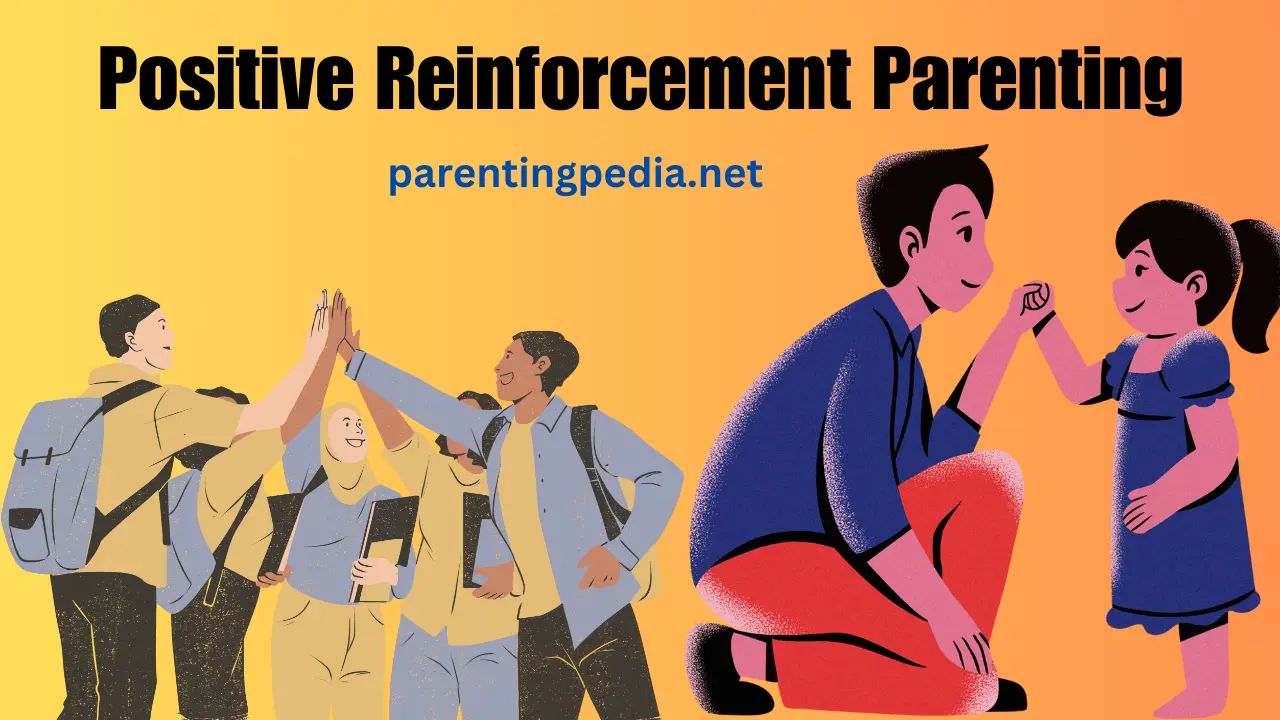
Positive Reinforcement Parenting

Parenting

Discover the power of positive reinforcement in parenting. Use praise and rewards to encourage good behavior in your kids. Raising children is a rewarding yet challenging journey, and as parents, we often find ourselves navigating through the ups and downs of child behavior. In this blog post, we will explore the power of positive reinforcement parenting – a spartan, straightforward approach that emphasizes encouragement and positive consequences to foster desired behavior in children. By focusing on the positive, using effective strategies, and avoiding corporate jargon, we can create a nurturing environment for our children to learn and grow.

Understanding Positive Reinforcement Parenting

Positive reinforcement involves rewarding or praising good behavior to strengthen the likelihood of its recurrence. This approach stands in contrast to negative reinforcement, which focuses on eliminating unwanted behavior through punishment. By concentrating on the positive aspects of a child’s actions, parents can help shape their behavior in a constructive manner.

Positive Reinforcement Examples

Let’s delve into examples of positive reinforcement that can be incorporated into daily parenting routines:

  1. Descriptive Praise: Instead of just saying, “Good job,” be specific in your praise. For instance, say, “Great job putting your toys away after playing,” to reinforce the desired behavior of cleanliness.
  2. Tangible Rewards: Consider using tangible rewards like a sticker chart or a small treat when your child meets certain expectations, such as completing their homework or following a routine.
  3. Positive Attention: Sometimes, children crave attention, and positive reinforcement can be as simple as giving your child your undivided attention when they engage in positive behavior.
  4. Social Reinforcers: Encourage positive behavior by allowing your child to spend time with friends or engage in social activities as a reward for their good conduct.

The Benefits of Positive Reinforcement

Positive reinforcement parenting offers several advantages:

  1. Effective Discipline Without Punishment: Unlike punitive measures, positive reinforcement focuses on teaching children what is expected of them and reinforcing those expectations positively.
  2. Encourages Better Behaviors: By rewarding and praising desired behavior, children are motivated to repeat those actions, creating a cycle of positive conduct.
  3. Teaching Natural Consequences: Positive reinforcement helps children understand the natural consequences of their actions, guiding them towards responsible decision-making.
  4. Promotes a Positive Parent-Child Relationship: Focusing on the positive allows parents to build a strong and supportive relationship with their children, making discipline a more collaborative effort.

Positive Reinforcement Strategies

To effectively implement positive reinforcement, consider the following strategies:

  1. Operant Conditioning: Utilize operant conditioning principles to reinforce good behavior consistently. This involves giving positive consequences immediately after the desired behavior occurs.
  2. Reinforcement Schedule: Establish a consistent reinforcement schedule, whether it’s a daily reward chart or weekly privileges, to maintain motivation for good behavior.
  3. Triple P – Positive Parenting Program: Explore the Triple P parenting course, a research-backed program that provides tools and strategies for positive reinforcement parenting.
  4. Setting Expectations: Clearly communicate expectations to your child and ensure they understand the positive consequences of meeting those expectations.

It’s Not Always Easy: Dealing with Misbehavior

Parenting comes with its share of challenges, and there will be moments when your child doesn’t behave as expected. Instead of resorting to negative reinforcement, consider these approaches:

  1. Time-Out: Implementing a brief time-out can give both you and your child an opportunity to cool off, helping to address the situation calmly.
  2. Redirect Attention: Guide your child’s attention towards something positive rather than constantly focusing on the negative behavior.
  3. Natural Consequences: Allow your child to experience the natural consequences of their actions whenever possible, helping them understand the impact of their behavior.

Incorporating Positive Reinforcement in Daily Life:

  1. Screen Time Management: Instead of focusing on restricting screen time, use positive reinforcement to encourage responsible use. For example, reward your child with extra screen time for completing chores or homework.
  2. Potty Training: Positive reinforcement is particularly effective in potty training. Offering praise and rewards when your child uses the potty reinforces the desired behavior and makes the learning process more enjoyable.
  3. Establishing Routines: Use positive reinforcement to encourage routines like brushing teeth or getting ready for school. Offering praise or small rewards for completing these tasks reinforces the importance of these habits.
  4. Handling Difficult Situations: In challenging situations, like a child’s misbehavior, focus on the positive behavior you want to encourage rather than constantly addressing the wrong behavior. This approach is more likely to yield positive results.

FAQs:

Q1: Is positive reinforcement just another term for bribery?

A1: No, positive reinforcement is not bribery. While bribery involves giving a reward to stop unwanted behavior, positive reinforcement focuses on encouraging and strengthening desired behavior.

Q2: How does positive reinforcement work with older children?

A2: Positive reinforcement is effective with children of all ages. As children grow, the types of rewards may evolve, but the principle remains the same – reinforcing positive behavior.

Q3: Can positive reinforcement be used to improve screen time habits?

A3: Absolutely! Positive reinforcement can be employed to encourage responsible screen time behavior. For instance, rewarding limited screen time with additional privileges or activities.

Q4: What if my child doesn’t respond to positive reinforcement?

A4: It’s essential to assess if the chosen reinforcer aligns with your child’s interests and preferences. If not, try different strategies or rewards until you find what resonates with your child.

Conclusion

In the journey of raising children, positive reinforcement parenting offers a powerful and effective approach. By focusing on the positive, employing various reinforcement strategies, and avoiding negative results, parents can create an environment that encourages their children to learn, grow, and behave in ways that align with expectations. Remember, positive reinforcement is not just about managing behavior; it’s about building a strong and positive relationship with your child that will last a lifetime. So, embrace the Spartan approach, and watch as positive reinforcement works wonders in shaping your child’s behavior in a constructive and nurturing way.

Remember, the greatest reward of parenting lies in watching
your children soar with love and confidence.

👇 Worth Reading ðŸ‘‡

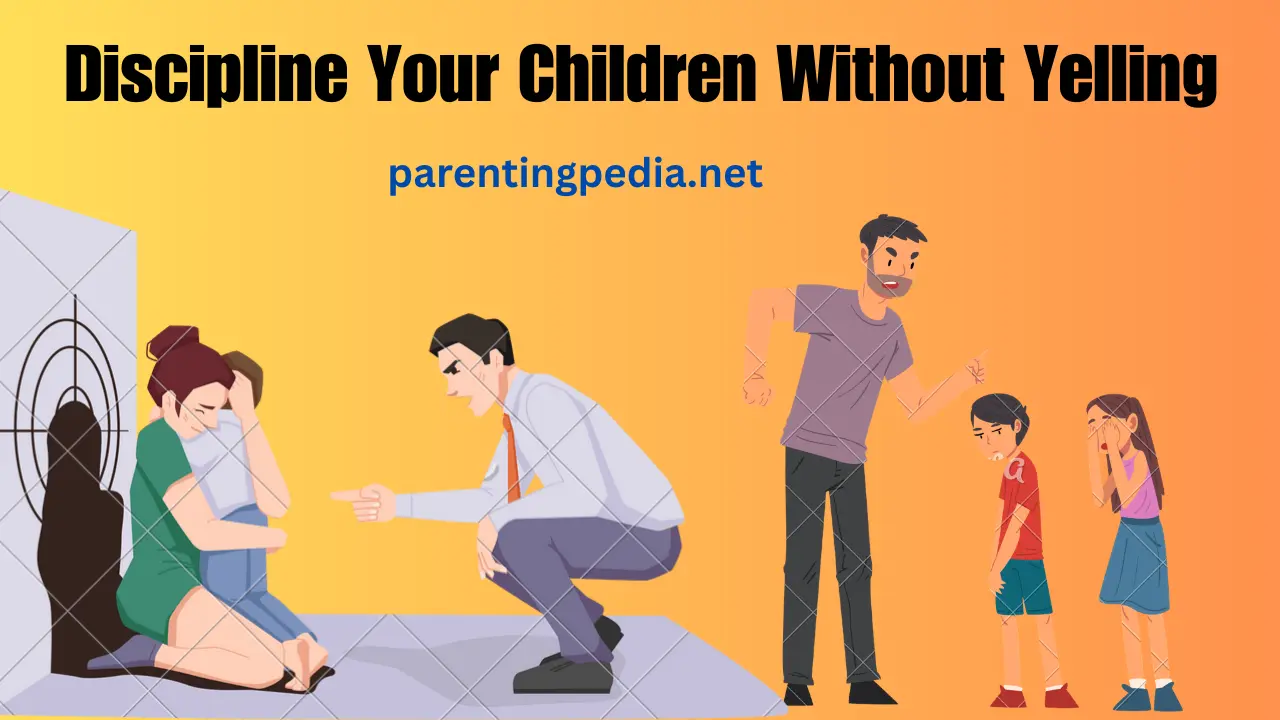
Tips on How to Discipline Your Children Without Yelling

Without Yelling

Discover effective ways to discipline your toddler without yelling. Learn how to get kids to listen without raising your voice and establish positive discipline techniques. Disciplining children is an inevitable part of parenting, but it doesn’t have to involve raising your voice or resorting to physical punishment. There are effective ways to discipline kids without yelling that can help your child learn and grow in a positive environment. In this blog post, we’ll explore various strategies, grounded in positive parenting, to discipline your children without resorting to harsh verbal discipline or hitting. Find below, Tips on How to Discipline Your Children Without Yelling

Understanding the Need for Discipline Without Yelling:

Discipline is not about punishment; it’s about teaching children right from wrong, helping them understand consequences, and fostering self-discipline. Yelling at children may provide a temporary solution, but it often leads to negative consequences, including strained relationships, low self-esteem, and increased aggression in kids. Let’s delve into some practical tips on how to discipline your children without yelling or physical punishment.

  1. Set Clear Expectations: Begin by establishing clear expectations for your child’s behavior. Make sure they understand what is considered acceptable and what is not. Age-appropriate expectations help children know right from wrong and contribute to a more positive environment.
  2. Use Positive Reinforcement: Instead of focusing on the negative aspects of your child’s behavior, emphasize the positive. Praise them when they exhibit good behavior, reinforcing the idea that positive actions lead to positive outcomes. Positive reinforcement is a powerful tool in guiding your child toward the desired behavior without yelling.
  3. Implement Time-Outs Effectively: Time-outs can be an effective strategy when used correctly. Rather than using it as a punishment, frame it as a moment for your child to cool down and reflect on their actions. This approach allows for a break in the situation without resorting to yelling or harsh discipline.
  4. Natural Consequences: Letting children experience the natural consequences of their actions can be a valuable learning experience. It helps them understand the impact of their behavior without imposing external punishment. This approach promotes responsibility and self-discipline.
  5. Stay Calm and Connected: It’s crucial to stay calm when addressing your child’s misbehavior. Yelling can escalate the situation, making it more challenging for your child to understand the lesson. Stay connected with your child emotionally, even when addressing their misbehavior, to create a supportive environment for learning.
  6. Ask Questions to Understand: Instead of immediately reacting to your child’s behavior, ask questions to understand the reasons behind their actions. This approach promotes communication and helps you address the root cause of misbehavior, fostering a more effective and compassionate way to discipline.

Frequently Asked Questions (FAQs):

Q1: What’s the best way to discipline a toddler without yelling? A1: The best way to discipline a toddler without yelling is to set clear expectations, use positive reinforcement, implement time-outs effectively, and stay calm and connected. Understanding the developmental stage of toddlers and using age-appropriate discipline strategies is essential.

Q2: How can I help my child learn without resorting to physical punishment? A2: You can help your child learn by setting clear expectations, using positive reinforcement, implementing time-outs when needed, and allowing natural consequences. Physical punishment is not necessary and can have detrimental effects on a child’s well-being.

Q3: What are some effective ways to discipline older children without yelling? A3: Effective ways to discipline older children without yelling include using clear expectations, positive reinforcement, implementing age-appropriate consequences, and maintaining open communication. Tailor your approach to the individual needs and understanding of your older child.

Q4: How can I get my child to listen without raising my voice? A4: To get your child to listen without raising your voice, use clear communication, positive reinforcement, and effective listening skills. Encourage open dialogue and understanding, fostering a relationship built on respect and cooperation.

Q5: Is time-out an effective discipline strategy? A5: Time-out can be an effective discipline strategy when used appropriately. It provides a break for both the parent and the child, allowing emotions to settle. However, it’s crucial to frame time-out as a moment for reflection rather than punishment.

Q6: How do I handle big emotions and tantrums without yelling? A6: When faced with big emotions and tantrums, remain calm and empathetic. Acknowledge your child’s feelings and provide them with words to express their emotions. This helps them feel heard and understood, reducing the likelihood of escalation.

Q7: What if my child won’t listen no matter what I do? A7: If your child consistently won’t listen, reassess your communication and discipline strategies. Consider adjusting your approach, asking open-ended questions to understand their perspective, and actively involving them in finding solutions to issues.

Q8: How can I discipline my child without making them feel shamed? A8: Avoid shaming your child by focusing on their behavior rather than labeling them. Offer constructive feedback, emphasizing the importance of making better choices next time. This approach helps your child learn from their actions without feeling personally attacked.

Additional Tips for Positive Discipline:

1. Use Age-Appropriate Discipline:

Tailor your disciplinary approach to your child’s age and developmental stage. What works for a toddler may not be effective for an older child. Adjust your strategies to match your child’s understanding and abilities.

2. Create Clear Boundaries:

Establish clear boundaries for acceptable behavior, ensuring your child understands the consequences of crossing those boundaries. Consistency in enforcing boundaries contributes to a sense of security for your child.

3. Encourage Self-Control:

Teach your child self-control by modeling it yourself. Demonstrate how to manage emotions, cope with frustration, and make thoughtful decisions. Encouraging self-control empowers your child to handle challenges effectively.

4. Positive Parenting Techniques:

Embrace positive parenting techniques that focus on nurturing a strong parent-child bond. Use encouragement, active listening, and mutual respect to foster a positive environment where discipline becomes a natural part of the learning process.

5. Avoid Physical Punishment:

Refrain from using physical punishment, as it can have long-lasting negative effects on a child’s mental and emotional well-being. Instead, focus on communication and understanding to guide your child toward positive behavior.

6. Promote Natural Consequences:

Allow your child to experience the natural consequences of their actions whenever possible. This approach helps them connect their behavior to the outcomes without the need for external punishment.

Conclusion:

Disciplining children without yelling is not only possible but also a crucial aspect of positive parenting. By setting clear expectations, using positive reinforcement, implementing effective time-outs, and staying connected with your child, you can guide them toward positive behavior without resorting to harsh discipline. Remember, discipline is about teaching and guiding, not punishing. Embrace these strategies to build a healthy and supportive relationship with your child while promoting their growth and development.

Remember, the greatest reward of parenting lies in watching
your children soar with love and confidence.

Till then keep smiling and be happy

Worth Reading

ABCD

DFSHH

EFG

HHJGFJ

Building Stronger Bonds with Your Kids – Approach to Quality Time

Kids

Discover the importance of quality time in nurturing a strong parent-Kids bond. Learn how to approach quality time to build lasting connections with your kids. In today’s fast-paced world, where everyone seems to be constantly glued to their screens and drowning in a sea of tasks, spending quality time with your kids can often take a back seat. Many parents find themselves caught up in the hustle and bustle of daily life, juggling work commitments, household chores, and various responsibilities. However, it’s crucial to recognize the importance of family time and the positive impact it can have on the parent-child bond.

Why is Spending Quality Time Important?

1. Bonding Time:

Building a strong and lasting bond with your kids requires more than just being physically present. It demands dedicated time and genuine engagement. While the quantity of time spent together is important, the quality of that time is equally, if not more, crucial.

2. Emotional Connection:

Regular and meaningful interactions with your Kids are crucial for their emotional development. Children thrive on knowing that their parents and families care about them. By expressing love and affection during quality family time, you are nurturing an emotional connection that is essential for their growth and development.

3. Academic Performance:

Research suggests that children who spend quality time with their parents tend to perform better academically. Engaging in activities together as a family and showing genuine interest in your child’s educational pursuits can significantly contribute to their success in school.

4. Communication and Understanding:

Quality time provides an opportunity for open communication. By setting aside dedicated time without any distractions, parents and children can engage in conversations that go beyond the surface. This open communication helps in understanding each other better and fosters a stronger parent-child bond.

Tips for Spending Quality Time with Your Kids

1. Schedule Time:

In a world filled with various commitments, it’s essential to schedule time for your family. Treat this time with the same level of importance as you would a work meeting or appointment. Make it a non-negotiable part of your routine.

2. Engage in Meaningful Activities:

Instead of just being in the same room, make an effort to spend time engaging in activities that interest both you and your child. Whether it’s playing a game, going for a walk, or reading a book together, choose activities that foster connection and enjoyment.

3. Family Dinners:

Regular family dinners are a great way to bond. Away from distractions such as phones and other devices, these moments provide an opportunity for the family to connect over a shared meal. It’s a time to discuss the day, share stories, and enjoy each other’s company.

4. Game Night:

Designate a specific night as game night where the whole family can come together to play board games or video games. This not only allows for quality time but also creates a fun and relaxed atmosphere.

5. Show Interest in Their Interests:

Take the time to understand your child’s hobbies and interests. Whether it’s attending their soccer games, watching their favorite TV shows, or learning about their favorite subjects, showing genuine interest strengthens the parent-child bond.

FAQs About Spending Quality Time with Your Kids

Q1: Why is quality time more important than quantity?

A1: While the quantity of time spent together is important, quality time involves being fully present and engaged. It’s about creating meaningful memories and fostering a deep connection, which is essential for building strong bonds.

Q2: How can I make time for my kids when I’m working?

A2: It’s all about priorities. Schedule dedicated time for your family, just as you would for work meetings. Even spending a little bit of time engaged in meaningful activities can make a significant difference.

Q3: Is it possible to connect with my child in today’s fast-paced world?

A3: Absolutely. It requires intentional effort and a commitment to creating moments of connection. Away from distractions and with genuine interest, you can build a strong bond with your child, even in today’s fast-paced world.

Q4: Why are family dinners emphasized for quality time?

A4: Family dinners provide a focused environment without distractions. It’s a time for open communication, sharing stories, and strengthening the familial bond over a shared meal.

Approach to Quality Time

In the world of project management, tools like Asana are hailed as the best for collaboration at work. But when it comes to managing the most important project of all – your family – a different approach is needed. The Spartan approach to quality time involves cutting away distractions and focusing on the task at hand: building strong bonds with your kids.

1. Schedule Like a Pro: Just as you schedule tasks and projects in a project management tool, schedule dedicated family time. Treat it as non-negotiable, just like you would a work meeting. This ensures that you prioritize and make time for what truly matters.

2. Engage in Purposeful Activities: Similar to how a project manager selects the best tools for a project, choose activities that are purposeful and enjoyable for both you and your child. Whether it’s a game night or a nature walk, make the most of the time you spend together.

3. Cut Away Distractions: Much like project managers use tools to keep everyone informed, cut away distractions such as phones during family time. Give your children the undivided attention they need to feel valued and heard.

4. Embrace the Spartan Lifestyle: In a world where app-switching and constant multitasking are the norm, embrace the Spartan lifestyle when it comes to spending time with your kids. Focus on the quality of time rather than the quantity, and watch the parent-child bond strengthen.

Conclusion:

In the hustle and bustle of today’s fast-paced world, building a strong and lasting bond with your kids requires a Spartan approach to quality time. By prioritizing family time, engaging in purposeful activities, and cutting away distractions, you can nurture an emotional connection that is crucial for your child’s growth and development. Remember, it’s not about the quantity of time but the quality of the moments you create together that truly matter. So, make an effort to spend more quality time with your little ones and watch as your parent-child bond flourishes.

Remember, the greatest reward of parenting lies in watching
your children soar with love and confidence.

Till then keep smiling and be happy ðŸ˜Š

👇 Worth Reading ðŸ‘‡

Practical Tips to Help Your Teen Stop Vaping

Practical Tips

practical tips and expert advice to help your teen quit vaping. From setting small goals to showing compassion, learn how to support your child in giving up e-cigarettes.

In the fast-paced world of teens and young adults, vaping has become an alarming trend. The widespread availability of vaping products has led to an increase in the number of teens trying out these devices.

If you’ve noticed your teen is vaping and want to help them quit, you’re not alone. This blog post provides practical tips, free from corporate jargon, to assist you in supporting your teen on their journey to quit vaping.

Understanding the Vaping Landscape

FAQ: What makes vaping so addictive among youth?

Vaping isn’t just about blowing off steam; it’s often about nicotine addiction. Many vaping products, including e-cigarettes, contain nicotine – a highly addictive substance that hooks users, especially young people, quickly. Understanding this is crucial when devising strategies to help your teen quit.

FAQ: Are there health risks associated with vaping?

Yes, there are. The Centers for Disease Control and Prevention (CDC) has raised concerns about the health risks associated with vaping. From lung disease to nicotine dependence, the effects of vaping can be serious. It’s important to be aware of these risks to motivate your teen to quit successfully.

Identifying Signs of Teen Vaping

FAQ: How can I tell if my teen is vaping?

Keep an eye out for signs like increased thirst, unexplained sweet smells, nosebleeds, or changes in behavior. If your teen is using vaping devices, it’s crucial to address the issue promptly.

Motivating Your Teen to Quit

Tip 1: Understand Their Perspective

Start by having an open and honest conversation with your teen. Listen to their reasons for vaping without judgment. Understanding their perspective will help you tailor your approach to better support their needs.

Tip 2: Boost Their Motivation

Motivation to quit is a key factor in a successful journey. Encourage your teen to list the reasons they want to quit and revisit this list when the going gets tough. Reminding them of the health risks and potential consequences can be a powerful motivator.

Tip 3: Set a Quit Date

Help your teen commit to quitting by setting a quit date. This provides a clear goal and helps them mentally prepare for the challenge ahead. Make sure it’s a date that suits their schedule and allows them to focus on the process.

Practical Tips for Quitting

Tip 4: Try Nicotine Replacement Therapy (NRT)

Nicotine replacement therapy (NRT) can be an effective tool to manage withdrawal symptoms. Products like patches, gum, or lozenges provide a controlled dose of nicotine without the harmful chemicals found in vaping products. practical tips during Consult a healthcare professional to determine the most suitable option for your teen.

Tip 5: Use Peer Support

Teens are heavily influenced by their peers. Encourage your teen to connect with friends who have successfully quit vaping or are also trying to quit. Having a support system can make the journey more manageable.

Tip 6: Educate Them on the Dangers of Vaping

Share facts about vaping and its associated health risks. Understanding the potential consequences can be a strong deterrent for many teens. Knowledge is power, and it can empower your teen to make informed decisions about their health.

Overcoming Challenges

Tip 7: Address Withdrawal Symptoms

Withdrawal symptoms can be challenging, but they are a natural part of the quitting process. Help your teen cope with symptoms like irritability, headaches, or cravings by offering emotional support and suggesting healthy coping mechanisms such as exercise or mindfulness.

Tip 8: Replace the Habit with Healthy Alternatives

Replace the act of vaping with healthier alternatives. Encourage your teen to pick up a new hobby, engage in physical activities, or join clubs at school. Keeping busy can distract them from cravings and contribute to a positive lifestyle change.

Pros of Practical Tips to Help Your Teen Stop Vaping

1. Improved Health and Well-being:

  • Pro: The primary benefit is the positive impact on your teen’s health. Quitting vaping reduces the risk of various health issues associated with vaping, including respiratory problems and nicotine dependence.

2. Empowerment and Self-Control:

  • Pro: Implementing practical tips empowers your teen to take control of their habits. It fosters a sense of self-discipline and resilience, which can be beneficial in various aspects of life.

3. Enhanced Parent-Teen Communication:

  • Pro: Addressing the issue of vaping opens up channels for honest communication between you and your teen. This improved communication can strengthen your relationship and build trust.

4. Positive Lifestyle Changes:

  • Pro: Quitting vaping often leads to the adoption of healthier habits. Teens may engage in more physical activities, develop new hobbies, and experience an overall improvement in their lifestyle.

5. Reduced Peer Pressure Impact:

  • Pro: Practical tips equip your teen with strategies to resist peer pressure. This helps them make independent, informed decisions, fostering a sense of confidence and self-reliance.

Cons of Practical Tips to Help Your Teen Stop Vaping

1. Resistance and Initial Discomfort:

  • Con: Teens may resist the initial discomfort of quitting, leading to frustration and potential relapses. Implementing practical tips requires patience and persistence.

2. Withdrawal Symptoms:

  • Con: Withdrawal symptoms, such as irritability and cravings, can be challenging for your teen. It may affect their mood and behavior during the initial stages of quitting.

3. Peer Pressure Challenges:

  • Con: Overcoming peer pressure can be difficult. Your teen may face challenges from friends who continue to vape, potentially impacting their social dynamics.

4. Lack of Immediate Results:

  • Con: The results of quitting vaping may not be immediate. Some teens may feel discouraged if they don’t see rapid improvements in their health or well-being.

Navigating Peer Pressure

FAQ: How can I help my teen resist peer pressure to vape?

Open communication is key. Talk to your teen about the pressures they may face and help them develop strategies to resist temptation. This may include practicing saying ‘no,’ having exit strategies for challenging situations, or choosing friends who support their decision to quit.

Seeking Professional Help

Tip 9: Consult with a Healthcare Professional

If your teen is finding it particularly challenging to quit, practical tips seeking professional help is a proactive step. Healthcare professionals can provide personalized advice, recommend appropriate cessation aids, and offer ongoing support.

Tip 10: Consider Support Groups

Support groups, whether in-person or online, practical tips provide a sense of community for individuals trying to quit. Your teen can share experiences, gain insights, and receive encouragement from others going through the same journey.

Conclusion

Helping your teen quit vaping is a challenging but essential endeavor. By using practical tips, understanding their perspective, and providing ongoing support, you can increase the likelihood of success. Remember, the journey to quit vaping is unique for each individual, and finding what works best for your teen may take time. Stay persistent, stay supportive, and celebrate every small victory on the path to a healthier, vape-free life.

Remember, the greatest reward of parenting lies in watching
your children soar with love and confidence.

Till then keep smiling and be happy ðŸ˜Š

👇 Worth Reading ðŸ‘‡

Some Fun and Educational Activities to Boost Your Child’s Brain Development

bad child behaviour

Discover a variety of fun activities to boost your child’s brain development, from learning games to simple everyday moves. Welcome to the fascinating world of child development, where everyday activities become powerful tools for enhancing your child’s cognitive abilities. In the first three years of a child’s life, their brain undergoes remarkable growth and development. As parents, you play a crucial role as the first educators, guiding your children- through experiences that shape their neural connections and lay the foundation for a lifetime of learning. In this blog post, we’ll explore a variety of enjoyable and educational activities that fuel your child’s brain development, from the early days of baby brain development to the formative years of childhood.

Why is Brain Development in Children Important?

Before we delve into the activities, let’s briefly understand why brain development is crucial for your child. The brain is the command center for various cognitive functions, including language, memory, problem-solving, and social skills. The early years are particularly critical as the brain forms trillions of neural connections, establishing the foundation for future learning and behavior.

1. Cuddle Time: Building Bonds and Brain Connections

One of the simplest yet most impactful activities is cuddling with your child. Physical touch releases oxytocin, often referred to as the “love hormone,” fostering emotional connections and contributing to the development of important neural pathways. So, grab a cozy blanket and spend some quality cuddle time with your little one.

2. Play Games for Gross Motor Skills Development

Engage your child in play games that encourage the development of gross motor skills. Activities like safe climbing, blowing bubbles or playing peek-a-boo help build balance, coordination, and hand-eye coordination. These activities not only enhance physical abilities but also stimulate brain regions responsible for spatial awareness and impulse control.

3. Explore the World: Let Your Child Roam and Learn

Encourage your child to explore the world around them. Whether it’s playing in the backyard, going for a nature walk, or simply letting them investigate household items, such as the ever-fascinating coffee table, exploration aids in the development of sensory experiences and spatial skills.

4. Artistic Adventures: Finger Painting and Building Forts

Art activities, such as finger painting and building forts, are fantastic ways to stimulate your child’s creativity while honing fine motor skills. The process of dipping fingers in paint or constructing a fort with pillows and blankets engages their senses and promotes cognitive development.

5. Mealtime Fun: Rice, Sensory Play, and Learning Games

Turn mealtime into a learning opportunity by introducing sensory experiences. Let your child explore different textures, such as playing with rice or creating art with food. Use this time to teach them about colors, shapes, and even basic math skills, turning an everyday activity into an educational adventure.

6. Screen Time: Balancing Educational Apps and Playtime

While screen time should be limited, educational apps can be a wonderful way to supplement your child’s learning. Choose age-appropriate apps that focus on early language development, spatial skills, and problem-solving. However, always ensure a healthy balance between screen time and traditional play to support well-rounded brain development.

7. Dress-Up Time: Fostering Social and Emotional Skills

Playing dress-up is more than just a fun activity; it helps your child develop social and emotional skills. Whether they’re pretending to be a superhero, doctor, or chef, imaginative play encourages empathy, communication skills, and problem-solving abilities.

8. Music and Songs: Not Just Melodies, but Neural Connections

Introduce your child to the world of music and songs. Singing together not only creates wonderful bonding moments but also contributes to early language development and categorization skills. Research has shown that exposure to music can enhance cognitive abilities and even boost math skills later in life. So, don’t underestimate the power of a simple nursery rhyme or a catchy tune.

9. Balancing Act: Enhancing Spatial Awareness

Incorporate activities that challenge your child’s sense of balance and spatial awareness. This could include walking along a straight line, hopping on one foot, or even playing games that require them to navigate through obstacles. Such activities stimulate the vestibular system, which plays a vital role in spatial orientation, helping your child build a strong foundation for future spatial skills.

10. Educational Playtime: Building Forts and Playing Learning Games

Building forts isn’t just a source of endless fun; it also promotes educational playtime. Transforming a living room into a fort requires creativity, problem-solving, and spatial skills. Additionally, incorporate learning games that focus on numbers, colors, and shapes. This not only makes learning enjoyable but also enhances cognitive development.

11. Bubble Bonanza: More Than Just Bubbles

You never have enough bubble solution for the multitude of benefits it offers. Blowing bubbles is not just a whimsical pastime; it engages your child’s visual tracking skills, and hand-eye coordination, and even teaches the concept of cause and effect. Try adding a bit of rice to the paint for bubble painting, combining two sensory experiences into one delightful activity.

12. Reading Rituals: Fueling the Love for Language

Nurture a love for reading from an early age. Even before your child can understand the words, reading together introduces them to the rhythm and cadence of language. As they grow, reading becomes a valuable activity that helps develop language and cognitive skills. Make it a routine to read a story before bedtime or create a cozy reading nook for special reading moments.

13. Nature Walks: A Classroom Without Walls

Take advantage of the great outdoors for a holistic learning experience. Nature walks expose your child to different textures, colors, and sounds, stimulating their senses. Point out birds, flowers, and insects, encouraging them to ask questions and learn about the world around them. This kind of exploration fosters a natural curiosity and contributes to well-rounded brain development.

Q: Can educational apps benefit my child’s brain development?

A: Yes, when used in moderation and with age-appropriate content, educational apps can support early learning and cognitive development. However, it’s essential to balance screen time with other activities.

Q: How can I help my baby’s brain development during the first three years?

A: Cuddling, engaging in sensory play, and providing a stimulating environment with age-appropriate toys are crucial during the first three years. Simple activities like blowing bubbles or playing peek-a-boo can have a profound impact.

Q: Are physical activities important for brain development in children?

A: Absolutely. Physical activities, especially those that involve gross motor skills, contribute to the development of neural connections, spatial awareness, and coordination. Safe climbing, blowing bubbles, and playing games are excellent options.

Q: What role do fine motor skills play in brain development?

A: Fine motor skills are essential for tasks that require precision and coordination, such as writing or using scissors. Activities like finger painting, building forts, and playing with rice contribute to the development of fine motor skills.

In conclusion, the everyday activities you engage in with your child have a profound impact on their brain development. From fostering emotional connections through cuddle time to promoting problem-solving skills with educational apps, each interaction contributes to building a strong foundation for your child’s growth.

Remember, you never have enough bubble solution, and the simplest activities, like blowing bubbles or playing peek-a-boo, can be powerful tools for enhancing your child’s brain power. So, check out this list, get creative, and embark on this exciting journey of helping your child learn and grow through enjoyable and educational experiences.

Remember, the greatest reward of parenting lies in watching
your children soar with love and confidence.

👇 Worth Reading ðŸ‘‡

Make Childproofing Your Home

Childproofing

Childproofing your home is a mission-critical task that every parent must tackle. It’s not just about protecting your belongings; it’s about ensuring the safety and well-being of your little ones. In this guide, we’ll cut through the clutter and get straight to the essentials. No corporate jargon, just straightforward advice to help you proof every nook and cranny of your home against potential hazards.

FAQ: Childproofing Demystified

Q1: Where do I start with childproofing my home? A: Begin by assessing each room for potential dangers. Look for sharp edges, loose cords, unsecured furniture, and access to harmful substances.

Q2: What are the key items needed for babyproofing? A: Safety gates, cabinet locks, outlet covers, furniture anchors, and window cordless coverings are must-haves.

Q3: How do I secure heavy furniture to the wall? A: Use furniture anchors to tether large items like bookshelves and dressers securely to the wall. This prevents them from tipping over and causing injury.

Room-by-Room Spartan Guide to Childproofing

1. Living Room

  • Install safety gates to keep your child safe from stairs or off-limits areas.
  • Secure heavy furniture to the wall to prevent tipping accidents.
  • Use cordless window coverings to eliminate the risk of entanglement.

2. Kitchen

  • Lock cabinets and drawers containing sharp objects, cleaning supplies, or utensils.
  • Keep small kitchen appliances out of reach.
  • Use stove knob covers to prevent accidental burns.

3. Bathroom

  • Store medications, toiletries, and cleaning products in locked cabinets.
  • Install safety latches on toilet lids to prevent drowning hazards.
  • Keep electrical appliances away from water sources.

4. Nursery

  • Anchor furniture like changing tables and dressers.
  • Use safety latches on drawers containing small items.
  • Ensure that the crib meets safety standards.

5. Bedroom

  • Secure heavy furniture and dressers to the wall.
  • Use window cordless coverings.
  • Keep small items like jewelry and accessories out of reach.

6. Home Office

  • Store sharp objects, cords, and small items in locked drawers.
  • Use outlet covers to prevent electrical hazards.
  • Secure heavy furniture and bookshelves.

7. Laundry Room

  • Store cleaning supplies, detergents, and other chemicals out of reach.
  • Keep the laundry room door closed when not in use.

Spartan Tips for Childproofing Success

  1. Safety Gates: Install safety gates in key areas of your home to keep your child within sight and out of reach of potential dangers.
  2. Furniture Anchors: Anchor heavy furniture like bookshelves and dressers to the wall. This prevents tipping accidents that could injure your child.
  3. Cordless Window Coverings: Eliminate the risk of entanglement by using cordless window coverings in every room of your house.
  4. Safety Latches and Locks: Use safety latches and locks on cabinets and drawers to keep dangerous items out of reach.
  5. Outlet Covers: Install outlet covers to prevent children from inserting objects into electrical outlets.
  6. Door Knob Covers and Locks: Use door knob covers and locks to restrict access to rooms with potential hazards.
  7. Secure Heavy Furniture: Tether heavy furniture to the wall to prevent tipping accidents.
  8. Temperature Control: Adjust the temperature of your water heater to prevent burns. The American Academy of Pediatrics recommends keeping it below 120 degrees Fahrenheit.
  9. Window Covering Safety: Visit windowcoverings.org for a free repair kit to address the dangling pull cord hazard. Contact the Window Covering Safety Council at 800-506-4636 for assistance.
  10. Smoke and Carbon Monoxide Detectors: Ensure that smoke and carbon monoxide detectors are installed and functional in every room of your home.

FAQs Continued

Q4: How do I secure a home office with a child? A: Keep sharp objects, cords, and small items in locked drawers. Use outlet covers and anchor heavy furniture to the wall.

Q5: How do I prevent burns in the kitchen? A: Adjust your water heater to a safe temperature and use stove knob covers to prevent accidental burns.

Q6: What’s the risk of window blind cords? A: Window blind cords can pose a strangulation risk. Use cordless window coverings or visit windowcoverings.org for safety kits.

Q7: How do I keep children safe from drowning in the bathroom? A: Install safety latches on toilet lids and never leave a child unattended in the bathroom.

Pros and Cons of Childproofing

Pros:

  1. Peace of Mind:
    • Pro: Knowing that your home is childproofed provides peace of mind, allowing you to focus on spending quality time with your child without constant worry.
  2. Prevention of Accidents:
    • Pro: Childproofing helps prevent accidents and injuries, reducing the likelihood of falls, burns, and other common household hazards.
  3. Early Independence for Your Child:
    • Pro: A childproofed environment allows your child to explore and develop independence in a safe space, fostering their curiosity without compromising safety.
  4. Long-term Cost Savings:
    • Pro: Investing in childproofing measures early on can save you money in the long run by preventing accidents that may lead to medical expenses.
  5. Educational Opportunity:
    • Pro: Involving your child in the childproofing process can be educational. Teaching them about safety and potential hazards instills good habits from an early age.
  6. Compliance with Safety Standards:
    • Pro: Following childproofing guidelines ensures that your home meets safety standards recommended by organizations like the American Academy of Pediatrics.

Cons:

  1. Initial Cost and Effort:
    • Con: Childproofing may require an initial investment in safety gates, cabinet locks, and other safety devices. It also demands time and effort to install these measures effectively.
  2. Aesthetic Impact:
    • Con: Some childproofing items, such as safety gates and furniture anchors, may have an impact on the aesthetic appeal of your home. However, the safety of your child should be the top priority.
  3. Regular Maintenance:
    • Con: Childproofing measures may require periodic maintenance and adjustments as your child grows and becomes more curious. This can be an ongoing commitment.
  4. Potential Resistance from Older Children:
    • Con: Older children may resist certain childproofing measures, feeling that they are restrictive. Balancing safety with a child’s need for independence can be a delicate task.
  5. Inconvenience for Adults:
    • Con: Childproofing measures can be inconvenient for adults, requiring additional steps to access certain areas or use specific items within the home.
  6. Not Foolproof:
    • Con: Childproofing measures are not foolproof. Vigilance and supervision are still crucial to ensure your child’s safety, especially as they grow and become more adventurous.

Final Thoughts: Make Childproofing Spartan, Not Complicated

Childproofing your home doesn’t have to be a daunting task. With a Spartan mindset and a clear checklist, you can systematically eliminate potential hazards from every room. Remember, simplicity is key, and the goal is to create a safe environment where your child can explore and grow without unnecessary risks. So, anchor that furniture, lock those cabinets, and keep your home a fortress of safety for your little one.

Remember, the greatest reward of parenting lies in watching
your children soar with love and confidence.

👇 Worth Reading ðŸ‘‡

Promoting Awareness for Parents and Kids

Awareness

In the hustle and bustle of daily life, Promoting Awareness for Parents and Kids has become crucial, especially in the ever-evolving landscape of child development and mental health. As we navigate the complexities of the 21st century, parents and caregivers must prioritize safety awareness, implement age-appropriate routines, and empower their children to thrive in a world that constantly demands adaptation.

The Importance of Awareness for Parents

Child Development: A Journey of Growth and Discovery

Understanding child development is like embarking on a journey with your child, witnessing their growth and discovery of the world around them. From the infant stage to the adolescent years, children undergo various developmental stages that lay the foundation for their overall well-being.

Why is child development important for parents?

Parents of children need to comprehend the intricacies of each developmental stage to provide a supportive and nurturing environment. This knowledge allows them to implement age-appropriate routines and activities that cater to the child’s evolving needs.

Mental Health Awareness for Parents: A Top Priority

In the year 2022 and beyond, mental health awareness for parents and caregivers has gained significant importance. The recognition of mental health as a vital component of overall wellness emphasizes the need for parents to be attuned to their child’s social and emotional experiences.

Why is mental health awareness important for parents?

The second leading cause of death among adolescents underscores the critical role mental health plays in a child’s life. Parents and caregivers must be responsive to warning signs such as withdrawal, low self-esteem, or expressions of emotions. Identifying potential risks early on can make a substantial difference in a child’s well-being.

Safety Awareness: Keeping Kids Safe in a Changing World

As the world evolves, so do the potential risks that children may face. Safety awareness is not just about physical hazards but extends to the virtual realm, considering the increased screen time and online activities in today’s age.

Why is safety awareness important for parents?

In a world where hazards may be lurking in both physical and virtual spaces, parents need to prioritize safety. This includes setting appropriate boundaries for screen time, fostering healthy habits, and educating children about potential risks they might encounter.

Nurturing Healthy Habits: A Methodology for Growth

Promoting healthy habits is an integral aspect of child development. From the toddler years to early childhood and beyond, parents play a pivotal role in shaping the routines that contribute to a child’s overall health and wellness.

How can parents promote healthy habits?

Let your child experience a balance of physical activity and social communication. Implement routines that emphasize the importance of good habits, such as regular sleep patterns, nutritious meals, and age-appropriate activities. This not only fosters healthy development but also lays the groundwork for lifelong wellness.

Privacy Policy: Respecting Boundaries in the Digital Age

In a world where information is readily accessible, teaching children about privacy and respecting boundaries is essential. As children navigate online spaces, parents must emphasize the importance of safeguarding personal information.

How can parents teach privacy awareness?

Educate your child about the significance of privacy in the digital age. Discuss the potential risks associated with sharing personal information online and instill the habit of practicing discretion. Implement age-appropriate discussions about online privacy to empower children to make informed choices.

Implementing Age-Appropriate Learning Environments

Every child is unique, and their learning environments should be tailored to their individual needs. Recognizing the diversity in developmental stages is crucial for parents to provide an environment that fosters growth and resilience.

Why is an age-appropriate learning environment important?

Children’s experiences during developmental stages significantly impact their growth. By providing age-appropriate activities, parents can stimulate cognitive, social, and emotional development, laying the foundation for a well-rounded individual.

Recognizing Warning Signs: Addressing Potential Health Disorders

In the world around us, children may face challenges that impact their mental health. Parents need to recognize warning signs and take appropriate action to address potential health disorders.

What are some warning signs parents should be aware of?

Parents should be attentive to signs of withdrawal, changes in behavior, or persistent expressions of negative emotions. These could be indicative of underlying mental health issues, and seeking professional help is crucial in such situations.

Providing Opportunities for Expression: The Role of Communication

Children, especially young children, may struggle with expressing their emotions. Creating a safe space for communication is essential in helping them navigate the complexities of their feelings.

How can parents encourage emotional expression?

Encourage open communication by creating an environment where children feel heard and understood. Avoid judgment and foster a supportive atmosphere where children feel comfortable expressing both the good and the bad.

Collaborating with Educational Partnerships

In the journey of child development, collaboration between parents and educational institutions is vital. Partnerships with tutors, teachers, and other professionals can provide additional resources to support a child’s growth.

Why are educational partnerships important for families?

Collaborative efforts between parents and educators create a holistic learning environment. This approach ensures that children receive comprehensive support, both at home and in educational settings, contributing to their overall development.

Thriving in Isolated Areas: Navigating Challenges

In some cases, families may find themselves in isolated areas with limited access to resources. Despite these challenges, it’s essential to prioritize child development and well-being.

How can families in isolated areas navigate challenges?

Emphasize creativity and resourcefulness in providing opportunities for children to thrive. Leverage available resources, explore nature, and engage in activities that promote healthy development. Additionally, seek out online communities and non-profit organizations that may offer support and guidance.

Empowering Children to Navigate the World: A Spartan Approach

In a world filled with complexity, parents must empower their children to navigate challenges independently. This involves fostering resilience and providing experiences that contribute to a child’s ability to thrive in various environments.

How can parents empower their children?

Promote independence by allowing children to make age-appropriate decisions. Provide opportunities for problem-solving and decision-making, enabling children to build resilience and confidence in their abilities.

Conclusion: Shaping the Future Through Awareness

In conclusion, awareness for parents and kids is not just a checklist of tasks but a continuous journey of understanding and adapting to the needs of our children. By prioritizing safety, promoting healthy habits, and being attuned to the ever-changing world around us, parents can play a pivotal role in shaping a future where children not only survive but thrive. As we move forward, let us embrace the spartan approach of simplicity and effectiveness, focusing on what truly matters—the well-being and development of our children.

Remember, the greatest reward of parenting lies in watching
your children soar with love and confidence.

Till then keep smiling and be happy ðŸ˜Š

👇 Worth Reading ðŸ‘‡

How To Deal with Mommy Guilt

Mommy Guilt

Are you a working mom grappling with the heavy burden of mommy guilt? Does the phrase “perfect mom” make you cringe?

Fret not! In this no-nonsense guide, we’ll explore effective ways to deal with and overcome mommy guilt. Whether you’re a working mother juggling career and family or a stay-at-home mom navigating the challenges of parenthood.

Let’s cut through the noise and get straight to the heart of the matter. In this article, we’ll understand How To Deal with Mommy Guilt.

Deconstructing “Mommy Guilt”

Mommy guilt, also known as the name given to the feelings of inadequacy that many mothers experience, is a pervasive emotion that can leave you feeling like you’re never doing enough as a parent.

Whether you’re going back to work after maternity leave, dealing with dad guilt, or simply trying to balance the demands of parenthood, guilt can creep in and cloud your judgment.

The Causes of Mommy Guilt

Mommy guilt isn’t a badge of honor; it’s the feeling that often comes from societal expectations and an internalized quest for perfection.

It may manifest when you feel like you’re not spending enough quality time with your little ones, or it could rear its head when you contemplate the challenges of going back to work after maternity leave.

Working moms, in particular, may feel the weight of guilt associated with splitting time between work and family. The constant juggling between career and childcare can lead to negative emotions, causing feelings of inadequacy and, at times, burnout.

Breaking Down the Myth of the “Perfect Mom”

Let’s debunk the myth of the “perfect mom.” There’s nothing wrong with you if you don’t feel guilty about screen time or if you believe in asking for help.

The perfect mom is an illusion – a standard set by an unattainable ideal. It’s okay to make mistakes; it’s okay to prioritize your mental well-being, and it’s okay to admit that parenting is hard.

You’re a Working Mom – That’s Okay!

If you’re a working mother, there’s nothing wrong with pursuing your career and providing for your family.

Mom guilt may try to convince you that you’re neglecting your kids, but it’s crucial to recognize that being a working parent doesn’t make you any less of a devoted mom.

Self-Compassion: Your Greatest Weapon

One of the best ways to deal with mom’s guilt is to practice self-compassion. Cut yourself some slack. Parenting is a journey filled with ups and downs; no one has it all figured out.

Acknowledge that you’re doing your best, and that’s more than enough. The guilt isn’t a helpful companion – it’s a roadblock to your growth as a parent.

Coping Strategies for Mommy Guilt

  1. Name and Acknowledge: The first step in overcoming mommy guilt is recognizing when it’s happening. Give a name to the feelings, acknowledge them, and understand that it’s a common part of parenting.
  2. Set Realistic Expectations: Understand your limits and set realistic expectations for yourself. You can’t do everything, and that’s perfectly okay. Make a to-do list that prioritizes tasks and gives you the flexibility to tackle them at your own pace.
  3. Quality Over Quantity: Focus on the quality of time spent with your children rather than the quantity. A few minutes of undivided attention can be more meaningful than hours of distracted presence.
  4. Delegate and Ask for Help: You don’t have to do it all alone. Delegate tasks to your partner, family members, or trusted friends. Don’t be afraid to ask for help when you need it.
  5. Take Time for Yourself: Parenthood doesn’t mean sacrificing your identity. It’s essential to carve out time for self-care. Whether reading a book, going for a walk, or simply enjoying a quiet moment, taking time for yourself is not selfish; it’s necessary for your well-being.
  6. Challenge Negative Thoughts: The voice in your head that tells you you’re not doing enough is not your friend. Challenge negative thoughts and replace them with positive affirmations. You’re doing a great job, and it’s okay to feel proud of your accomplishments.

FAQs: Addressing Common Concerns

Q: I feel guilty when I leave my child to go to work. How can I cope with this?

A: It’s normal to feel a pang of mommy guilt but remind yourself that you’re providing for your family and setting a positive example. Focus on the quality of the time you spend together when you’re home.

Q: Is it okay to rely on screen time to keep my child entertained?

A: Absolutely. While moderation is key, screen time can be a useful tool. Don’t let guilt overshadow the fact that you’re doing your best to balance various aspects of parenting.

Q: How can I overcome guilt about taking time for myself?

A: Taking time for yourself is not selfish; it’s an investment in your mental health. Recognize that you deserve moments of relaxation and rejuvenation to be the best parent you can be.

Q: What if I make mistakes in parenting?

A: Making mistakes is part of the parenting journey. Learn from them, forgive yourself, and move forward. It’s the commitment to growth that makes you a better mom.

Conclusion:

Mommy guilt is a formidable opponent, but armed with self-compassion and practical coping strategies, you can overcome it. Whether you’re a working mom, a stay-at-home mom, or somewhere in between, remember that there’s no such thing as a perfect mom.

Embrace the imperfections, cut yourself some slack, and celebrate the small victories. Parenting is a journey, and you’re doing an amazing job. It’s okay to feel proud, and it’s okay to feel happy amidst the chaos. You’ve got this!

Remember, the greatest reward of parenting lies in watching
your children soar with love and confidence.

👇 Worth Reading ðŸ‘‡

A Guide For You And Your Teenagers On How To Navigate Life

Teenagers

A Guide For You And Your Teenagers On How To Navigate Life: Raising teenagers can be one of the most rewarding yet challenging experiences for every parent.

As your children and students enter their teen years, they undergo a crucial phase in human development, navigating the intricate journey to adulthood.

In this article, you’ll find A Guide for You and Your Teenagers on How to Navigate Life.

A Guide For You And Your Teenagers On How To Navigate Life

It’s a time when they begin to explore life choices, face uncertainties, and grapple with the quest for a sense of purpose. Amid these challenges, every parent needs a guide to help their teen make the right decisions and set the foundation for a successful future.

Enter Belle Liang and Timothy Klein, a dynamic duo in the world of psychology and clinical therapy. With their combined expertise, they have crafted a guide for parents of teenagers, aiming to help them understand and support young people as they navigate life in a way that will keep them on the path to meaningful and fulfilling lives.

Belle Liang, a psychology professor at Boston College, and clinical therapist Timothy Klein, debut with a thoughtful guide titled [Book Title]. This book is like a beacon, illuminating the often murky waters of raising teenagers.

Drawing on decades of experience and research, Liang and Klein provide valuable insights that will enable you to support young people to holistically thrive in our ever-changing world.

The second half of the book is filled with advice on how to empower teens to pursue meaningful and fulfilling lives. Liang and Klein have identified five purpose principles that serve as a roadmap for parents and educators alike.

These principles are not just theoretical; they are practical tools that can be applied in real-life situations to help teenagers make informed choices and develop a strong sense of purpose.

Purpose Principles: A Roadmap for Success

The purpose principles outlined by Liang and Klein offer a comprehensive guide for parents looking to support their teens effectively. These principles are not just about academic success but about setting up young people for success in all aspects of life.

>> Download the Free Guide:

To kickstart your journey with Liang and Klein, download the free guide available on their website. This resource enables readers to get a glimpse into the expertise of these scholars and the sensitivity of counselors, providing an initial roadmap to help your teen navigate the complexities of life.

>> Set Up Young People for Academic and Professional Success:

Liang, as the chair of the department of psychology in the Lynch School of Education and Human Development at Boston College, and Klein, the Chief Impact Officer at Project Wayfinder, combine their academic and practical experience to guide parents in setting up their teens for success in both academic and professional spheres.

>> Empower Them to Pursue Meaningful Lives:

Beyond the traditional focus on academic achievement, Liang and Klein emphasize the importance of empowering teens to pursue lives filled with meaning and purpose. This involves helping them understand their passions and interests and guiding them toward careers that align with their values.

>> Teens to Work Towards a Sense of Purpose:

In a world filled with competition and uncertainty, teens must work towards a sense of purpose rather than being driven solely by performance or passion.

Liang and Klein beg parents and educators to focus on the holistic development of teens, nurturing their academic and personal growth.

>> Holistic Thriving in an Ever-Changing World:

The dynamic nature of our world requires young people to function across contexts.

Liang and Klein stress the importance of equipping young people to holistically thrive in our ever-changing world, preparing them to adapt and succeed in various situations.

Q: How can I help my teen hone a sense of purpose?

A: Liang and Klein recommend engaging your teenagers in open conversations about their interests, values, and goals. Encourage them to explore different activities and experiences that align with their passions, helping them develop a strong sense of purpose.

Q: My teen seems to be struggling with making life choices. How can I support them?

A: Liang and Klein suggest providing a supportive and non-judgmental environment for your teen to express their thoughts and concerns. Share your own experiences and offer guidance without imposing decisions on them. It’s important to empower them to make informed choices.

Q: Is the book suitable for parents with teenagers of any age?

A: Yes, the principles outlined by Liang and Klein apply to parents of teenagers at various stages of adolescence. Whether your teen is just entering their teenage years or about to embark on adulthood, this guide offers valuable insights to help you navigate this transformative period.

A Guide For You And Your Teenagers On How To Navigate Life: Liang and Klein’s debut book serves as one of the most helpful resources for parents of teenagers.

Their engaging narrative style, coupled with the expertise of scholars and the sensitivity of counselors, makes this guide a must-read for every parent interested in equipping young people to holistically thrive in our ever-changing world.

So, take a foot forward, beg the kids to read it with you, and embark on this journey to navigate life with your teen. After all, they’re not just performance machines; they are compassionate young people with the potential to lead fulfilling lives.

Remember, the greatest reward of parenting lies in watching
your children soar with love and confidence.

👇 Worth Reading ðŸ‘‡