
Not Just About Screen Time: Why a Healthy Digital Diet Matters

Screen Time

Discover the importance of a healthy digital diet and learn tips to help children develop healthy online habits beyond just managing screen time.

In today’s fast-paced digital age, where smartphones, tablets, and other electronic devices are ubiquitous, the concept of a healthy digital diet is gaining increasing importance. It’s not just about the amount of time spent in front of screens; it’s about the quality of digital consumption and its impact on our overall well-being.

This blog post explores the nuances of maintaining a healthy digital diet, delving into the significance of digital nutrition, the role of digital devices in our lives, and practical tips for fostering balanced digital habits, especially for children and adolescents.

Just as we pay attention to the food we consume for a balanced diet, it’s essential to be mindful of our digital nutrition. Jocelyn, a Sydney-based registered psychologist specializing in the digital age’s impact on mental health, emphasizes the need for a nuanced approach. “It’s not just about counting digital calories; it’s about the content and context of our digital interactions,” she says. “We need to think about the quality of the media we consume, just like we consider the nutritional value of our meals.”

The Emerging Area of Digital Health

The impact of digital media use on young people’s mental health is an emerging area of research. With children using digital devices from a very early age, concerns about the potential consequences have grown. Jocelyn has previously worked with parents of preschool children, providing insights into developing healthy digital habits from the early years. “It’s about setting the foundation for a positive relationship with technology,” she notes.

1. Why is a balanced digital diet important?

A balanced digital diet is crucial for overall health and well-being. Excessive screen time can negatively impact physical activity and sleep, leading to increased obesity and other health indicators. Moreover, it influences cognitive development, particularly in younger children.

2. How much screen time is too much for children?

The World Health Organization recommends screen time limits for different age groups. For children under 5, screen time should be limited, and for school-aged children, it’s advised not to exceed two hours per day. However, it’s essential to consider the quality of screen activities, not just the quantity.

3. What are healthy digital habits?

Healthy digital habits include modeling behavior by parents, setting screen time limits, and encouraging a balance between online and offline activities. It’s about teaching children to use digital devices responsibly and fostering a positive relationship with technology.

The Role of Apps and Games

In a world flooded with apps and games designed for children, understanding the nutritional labels for these digital activities is crucial. Jocelyn recommends parents pay attention to the content and educational value of apps rather than just the entertainment factor. “Think of it as providing virtual vitamins for your child’s cognitive development,” she suggests.

The Impact on Cognitive Development

Research conducted between 2019 and 2022 by the Royal College indicates a correlation between excessive screen time and diminished cognitive development in children. While technology can be a valuable educational tool, a healthy balance is essential.

1. Set Screen Time Limits

Establishing clear screen time limits is the cornerstone of a healthy digital diet. This applies to children and adults alike. Jocelyn advises, “Have designated screen-free times during the day, especially before bedtime.”

2. Model Healthy Digital Behavior

Children learn by example, and parents play a pivotal role in shaping their digital habits. “Modeling healthy digital behavior is more effective than just preaching about it,” says Jocelyn. This involves being mindful of one’s own screen time and demonstrating a balanced approach to technology.

3. Prioritize Physical Activity and Sleep

In the quest for a balanced digital diet, physical activity and sleep should not be overlooked. Encourage outdoor play, sports, and other physically active pursuits. Additionally, establish a screen-free wind-down routine before bedtime to promote better sleep.

4. Be Mindful of Digital Consumption

Not all screen time is created equal. Consider the content and context of digital interactions. Are children engaging in educational activities, or is the time spent solely on entertainment? Being mindful of the digital content consumed contributes significantly to a healthy digital diet.

5. Stay Informed About Online Platforms

With the digital landscape constantly evolving, it’s crucial for parents to stay informed about the online platforms their children use. Understanding the nature of these platforms allows parents to guide their children effectively and address any potential concerns promptly.

In the quest for a healthy digital diet, adopting a nuanced approach is particularly important. Fostering a positive relationship with technology involves recognizing its benefits while being mindful of potential drawbacks. Jocelyn suggests, “It’s not about demonizing digital devices; it’s about using them consciously and responsibly.”

1. Open Communication Channels

Maintaining open communication channels between parents and children is essential. Discussing the importance of a balanced digital diet and explaining the reasons behind screen time limits fosters understanding and cooperation.

2. Educate About Digital Consumption

Teaching children about the concept of a digital diet and its parallels with healthy eating provides a tangible analogy. Introduce the idea of “nutritional labels” for apps and games, helping children make informed choices about their digital consumption.

3. Monitor Digital Device Use

While autonomy is crucial, monitoring children’s digital device use is equally important. Implementing age-appropriate restrictions ensures a healthy balance between online and offline activities.

Jocelyn, who is also trained in cognitive-behavioral therapy and Gottman couples therapy, emphasizes the importance of a holistic approach to well-being. “Digital health is intertwined with mental health, physical health, and the overall quality of life. It’s about finding that balance that works for each family.”

As we navigate the complexities of the digital world, it’s clear that a healthy digital diet is not just about screen time; it’s about fostering positive digital habits. The majority of parents recognize the challenges posed by excessive screen time for children, but the solution lies in a balanced and mindful approach. By adopting the recommendations provided here and considering the expert insights shared by Jocelyn, we can ensure a screen-based future that enhances, rather than hinders, our health and well-being. Let’s embrace the concept of a healthy digital diet and empower the next generation to navigate the digital age with resilience and wisdom.

Remember, the greatest reward of parenting lies in watching
your children soar with love and confidence.

👇 Worth Reading ðŸ‘‡

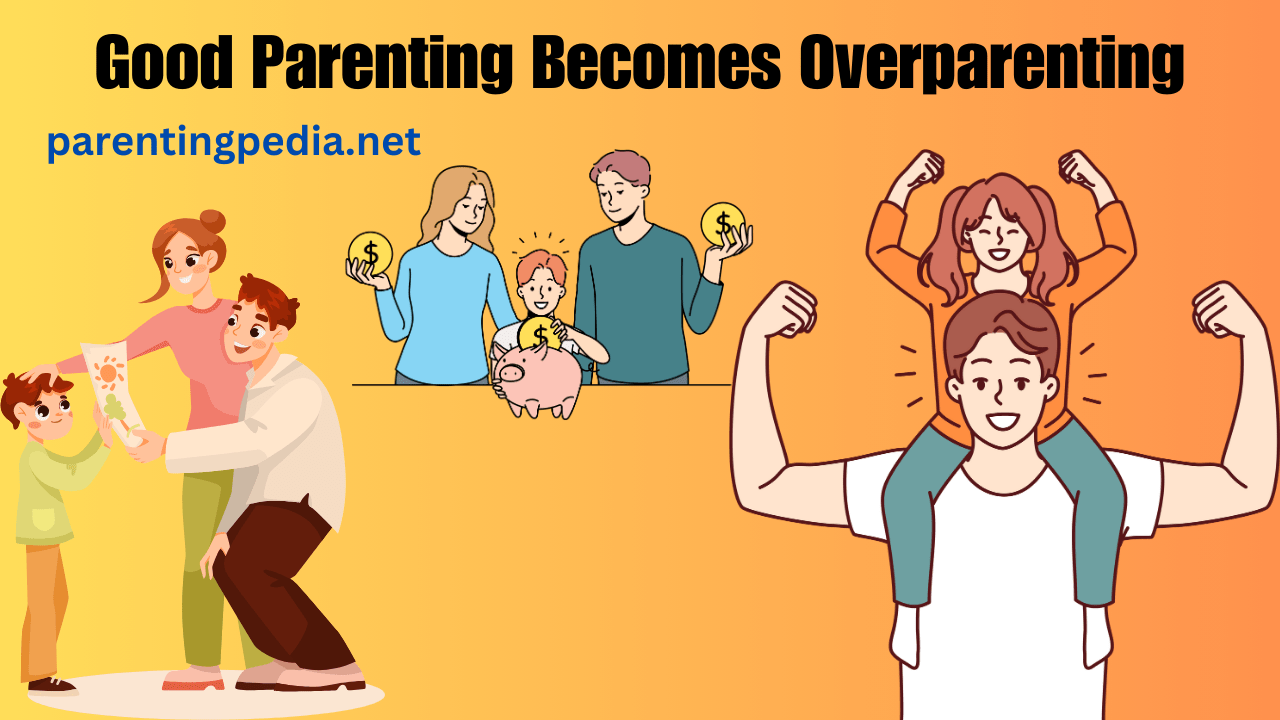
Good Parenting Becomes Over Parenting

Overparenting

Discover the signs of overparenting and how it can hinder your child’s development, including the impact on life skills and mental health issues.

Learn when good parenting becomes too much. In the realm of parenting, love is often considered the cornerstone of a child’s development. Parents pour their hearts into nurturing and guiding their offspring, driven by good intentions to provide the best for their children.

However, there’s a fine line between being a loving and attentive parent and crossing over into the territory of overparenting. In this blog post, we’ll delve into the effects of overparenting, explore the reasons why good parenting sometimes becomes too much, and discuss the importance of finding the right balance for optimal child development.

What is Overparenting? Overparenting, also known as helicopter parenting or indulgent parenting, refers to a style of parenting where parents are excessively involved in their child’s life. While much love is poured into this approach, it often involves excessive control, overinvolvement, and an over-nurturing tendency.

Why Do Parents Overparent? Parents may engage in overparenting due to a variety of reasons, such as societal pressure, a desire to protect their children from harm, or the belief that they are doing what’s best for their children. Today’s parents, more than ever, feel the pressure to provide the optimal childhood experiences for their kids.

The Consequences of Too Much Love:

  1. Low Self-Efficacy and Independence: Overparenting can hinder a child’s development of self-efficacy—the belief in one’s ability to succeed in specific situations. When parents do too much for their children, the child may struggle to make independent decisions and lack the confidence to navigate life’s challenges.
  2. Entitlement and Lack of Autonomy: Excessive parenting may lead to a sense of entitlement in children. When parents constantly intervene and make decisions for their kids, it can hinder the development of autonomy and independence. Children need the opportunity to learn from their experiences and make mistakes to grow into self-sufficient adults.
  3. Anxiety and Depression: Overparenting has been linked to increased levels of anxiety and depressive symptoms in emerging adults. The constant parental control and pressure to meet high expectations may contribute to a sense of overwhelm and low psychological well-being.

Q: How much parental involvement is too much? A: Parental involvement is essential, but when it becomes overinvolved, it may hinder a child’s ability to develop essential life skills. Finding the right balance involves allowing your child to explore, make mistakes, and learn from them.

Q: How can parents help without being overinvolved? A: It’s crucial for parents to offer guidance and support while also allowing their child to make independent decisions. Encouraging autonomy and independence helps children develop the skills needed for adulthood.

Q: What role does autonomy play in child development? A: Autonomy is vital for healthy child development. Allowing your child to make choices and decisions fosters a sense of responsibility and self-efficacy, contributing to their overall well-being.

Q: Are there specific developmental stages where overparenting is more common? A: Overparenting can occur at any developmental stage, but it may be more prevalent during early childhood and adolescence. Parents often want to protect their children during these vulnerable periods, sometimes going too far in their efforts.

Q: How has the COVID-19 pandemic affected parenting styles? A: The pandemic has intensified parental anxiety, leading some parents to become overly involved in their children’s lives. Finding a balance between ensuring safety and allowing children to navigate challenges independently is crucial.

In the quest to give their children the best, a lot of parents inadvertently create what psychologists call a “bonsai child.” This term refers to a child who has been meticulously cared for but is confined to a small, controlled environment. While the intentions are loving and attentive, this approach may hinder the natural growth and development of a child.

The Role of Psychological Well-being: Research has shown that children with a sense of autonomy and independence tend to have better psychological well-being. Allowing children to face challenges, make decisions, and solve problems on their own helps build resilience and coping skills.

The Impact on Emerging Adults: As children transition into emerging adults, the effects of overparenting become more apparent. Those who have experienced overindulgence may struggle with making independent decisions, leading to challenges in relationships, academics, and career choices.

Breaking the Cycle: Overcoming Parental Anxiety and Control:

It’s essential for parents to recognize the signs of overparenting and take steps to break the cycle. Seeking guidance from a parenting expert or counselor can provide valuable insights into finding the right balance between being involved and allowing independence.

Acknowledging the fear is the first step. Gradually allowing your child to take on more responsibilities and make decisions helps build confidence in both parent and child.

Q: What are some practical tips for breaking the cycle of overparenting?

Encourage open communication with your child, set realistic expectations, and be mindful of the difference between support and overindulgence. Remember that much love can be expressed through trust and allowing your child to navigate their own path.

In the journey of parenting, the mantra “too much of a good thing” holds true. While much love and involvement are essential, finding the right balance is crucial for the optimal development of a child. Today’s parents must navigate the delicate path between being loving and attentive without becoming overinvolved or overcontrolling.

As we reflect on the bonsai child phenomenon and the negative consequences of overparenting, it becomes clear that fostering independence, self-efficacy, and resilience in children is paramount. Every parent wants the best for their child, but it’s essential to recognize when good parenting becomes overparenting and takes a toll on a child’s well-being.

In the evolving landscape of parenting, let’s strive to break free from the “helicopter” tendencies, allowing our children to spread their wings and soar independently. After all, the ultimate goal of parenting is to raise confident, capable individuals ready to navigate the challenges of adulthood with a sense of autonomy and self-assurance.

Remember, the greatest reward of parenting lies in watching
your children soar with love and confidence.

👇 Worth Reading ðŸ‘‡

How Mindful Parenting Can Mean Less Stressed Children

Children

Discover the benefits of mindful parenting. Learn how to reduce stress and anxiety for both you and your children with the Child Mind Institute.

Parenting is a journey filled with ups and downs, and it’s only natural for parents to want the best for their children. As parents, we all strive to create a nurturing and supportive environment that fosters our child’s well-being and growth.

However, in the hustle and bustle of daily life, it’s easy to become overwhelmed and stressed, which can have a significant impact on our children. That’s where mindful parenting comes into play. In this blog post, we will explore the benefits of mindful parenting, its principles, and how it can lead to less stressed children.

Before we delve into the benefits and techniques of mindful parenting, let’s first understand what mindful parenting is. Mindful parenting is an approach to parenting that incorporates the principles of mindfulness – the practice of being fully present in the moment and paying complete attention to the task at hand. In the context of parenting, it means being present with your children, engaging with them in a conscious and focused manner, and responding to their needs with understanding and empathy.

Unlike conventional parenting styles that may be focused on discipline or control, mindful parenting is about fostering a deeper connection between parents and kids. It’s a parenting philosophy that encourages parents to practice mindfulness in their interactions with their children.

Reducing Stress and Anxiety

One of the primary benefits of mindful parenting is its potential to reduce stress and anxiety in both parents and children. When you practice mindfulness and stay present with your child, you’re less likely to get caught up in negative emotions or overwhelmed by the challenges of parenting. Instead, you can approach difficult situations in a calm and mindful way, which, in turn, can help reduce your child’s stress levels.

Improved Child Development

Mindful parenting can also have a positive impact on your child’s development. By giving your child your full attention, you can better understand their feelings and behaviors. This insight allows you to respond to your child in a way that supports their emotional growth and social skills. Research shows that children raised by parents who practice mindful parenting tend to exhibit more positive behavior and less negative emotion.

Positive Parenting Practices

Mindful parenting encourages positive parenting practices. When you are present with your children and practice mindfulness, you are more likely to engage in positive and less negative parenting behavior. This can lead to healthier parent-child interactions and foster a more nurturing and supportive family environment.

Less Overwhelmed Parents

Parenting isn’t an easy task, and many parents often find themselves overwhelmed by the demands of raising kids. Mindful parenting provides a way to reduce this feeling of being overwhelmed. By staying present and giving your child your full attention, you can let go of unrealistic expectations and take things one step at a time.

Enhanced Mental Health

There are many mental health benefits associated with mindful parenting. Parents who practice mindful parenting have been shown to experience reduced stress, anxiety, and negative emotions. This, in turn, leads to more positive interactions with their children, promoting overall well-being for both parents and kids.

Now that we’ve explored the benefits of mindful parenting, let’s delve into how you can put it into practice. Here are some key principles and techniques to help parents practice mindfulness in their parenting journey.

1. Paying Attention to Your Child

The core principle of mindful parenting is paying attention to your child. When you’re fully present with your child, you can better understand what’s going on in their world and respond to their needs effectively.

2. Mindfulness-Based Approach to Parenting

Incorporate mindfulness into your approach to parenting. This means being aware of what’s happening at the moment and responding to your child’s behavior and emotions with empathy and understanding.

3. Practice Mindfulness Yourself

Before you can teach your child to be mindful, it’s essential to practice mindfulness yourself. This involves learning to pause before responding to your child, noticing your own feelings, and staying grounded in the present moment.

4. Let Go of Unrealistic Expectations

One of the key aspects of mindful parenting is letting go of unrealistic expectations. Parenting may not always go as planned, and that’s okay. Accepting the imperfections and embracing the journey can reduce stress and create a more relaxed atmosphere at home.

5. Responding to Your Child’s Feelings

Instead of reacting to your child’s behavior, respond to their feelings. This means acknowledging and validating their emotions, which can lead to a more positive and less stressful parent-child relationship.

6. More Shared Positive Interactions

Mindful parenting has been linked to more positive interactions between parents and children. By practicing mindfulness, parents are more likely to engage in meaningful conversations, activities, and experiences with their kids.

7. Mindful Awareness in Everyday Parenting

Make mindfulness a part of your everyday parenting routine. Whether it’s during mealtime, bedtime, or playtime, try to be fully present with your child and create special moments that strengthen your bond.

Q1: What is the difference between mindful parenting and conventional parenting?

A1: Mindful parenting focuses on being fully present and engaged with your child, emphasizing empathy, understanding, and emotional awareness. Conventional parenting styles may prioritize discipline and control, often leading to a more rule-based approach to parenting.

Q2: Can mindful parenting help reduce stress and anxiety in children with ADHD?

A2: Yes, research shows that mindful parenting can be beneficial for children with ADHD. By providing a calm and supportive environment and practicing mindfulness, parents can help their children manage their symptoms more effectively.

Q3: How can I incorporate mindfulness into my daily parenting routine?

A3: You can start by setting aside dedicated moments with your child where you practice being fully present. This could be during mealtime, bedtime, or playtime. Over time, you can expand the practice to include everyday parenting interactions.

Q4: Is mindful parenting suitable for all parents and children?

A4: Mindful parenting can be beneficial for most parents and children. However, it may require some adjustments depending on your child’s age and temperament. It’s essential to adapt the practice to suit your family’s unique needs.

Q5: Are there any recommended resources for learning more about mindful parenting?

A5: Yes, you can find books, online courses, and workshops that provide in-depth guidance on mindful parenting. Additionally, consulting with a clinical psychologist or therapist with experience in mindful parenting can be highly beneficial.

Mindful parenting is a powerful approach to parenting that can lead to less stressed children and more positive parent-child relationships. By practicing mindfulness and being fully present with your children, you can reduce stress and anxiety, support your child’s development, and foster a nurturing family environment. Remember that mindful parenting is a journey, and like any other skill, it takes practice. So, take it one step at a time, and you’ll find that the benefits of mindful parenting are well worth the effort.

Remember, the greatest reward of parenting lies in watching
your children soar with love and confidence.

👇 Worth Reading ðŸ‘‡

Too Much Love: When Good Parenting Becomes Overparenting

Overparenting

When good parenting turns into overparenting, it can hinder a child’s development. Learn the signs and avoid doing too much for your child. In today’s fast-paced and highly competitive world, parents often strive to give their children the best start in life.

They want to nurture and support their kids’ development, ensuring they have all the tools they need to succeed. However, in some cases, good parenting can tip over into overparenting. This excessive involvement can have unintended consequences on a child’s autonomy, self-efficacy, and overall development.

In this blog post, we’ll explore the effects of overparenting on children and emerging adults. We’ll also delve into the psychological aspects of overparenting and discuss ways to strike a healthy balance between nurturing and overindulgence.

Modern parenting is driven by the desire to provide the best for children. Parents want to see their kids excel in academics, sports, and extracurricular activities. They want to protect them from potential pitfalls and help them make the right choices. However, there’s a fine line between good parenting and overparenting.

Overparenting, also known as helicopter parenting, is a style of parenting characterized by excessive parental involvement and control in their child’s life. While good parenting involves nurturing and guiding children, overparenting goes to extremes. It often involves making every decision for the child, solving their problems, and protecting them from any setbacks or failures.

One of the most significant casualties of overparenting is a child’s autonomy. Autonomy is a crucial aspect of a child’s development. It involves the ability to make independent decisions and take responsibility for one’s actions. When parents become overly involved, they inadvertently undermine their child’s autonomy, making them reliant on constant guidance and approval.

Negative Consequences of Diminished Autonomy

  • Low Self-Efficacy: Children who experience overparenting may develop low self-efficacy, which is the belief in one’s ability to accomplish tasks and reach goals. When parents do everything for their children, the child may doubt their own capabilities.
  • Lack of Self-Regulation: Self-regulation is the ability to control one’s behavior and emotions. Overparenting can hinder the development of this crucial skill, as children may not learn to manage their emotions and impulses independently.
  • Sense of Entitlement: Children raised with excessive parental control may develop a sense of entitlement, expecting things to be handed to them. They may struggle to cope with life’s challenges when they arise.

The Psychological Perspective: What Psychologists Say

Psychologists have extensively studied the effects of overparenting on children and emerging adults. The consensus is clear: overparenting can have detrimental psychological effects.

Depressive Symptoms and Mental Health Issues

Research shows that children of overinvolved parents are more likely to experience depressive symptoms and mental health issues. The constant pressure to meet their parents’ high expectations, coupled with the fear of failure, can lead to anxiety, stress, and, in some cases, even depression.

Parental Anxiety and Postpartum Depression

Overparenting not only affects children but also parents themselves. The pressure to be a perfect parent and ensure a child’s success can lead to parental anxiety and even postpartum depression. This excessive focus on the child’s well-being often takes a toll on the mental health of parents.

Developmentally Inappropriate Expectations

Overparenting can also lead to developmentally inappropriate expectations. Parents may push their children to excel in areas that are not age-appropriate or developmentally suitable. This can cause undue stress and hinder a child’s natural progression.

Striking a Balance: How to Avoid Overparenting

It’s essential for parents to strike a balance between being nurturing and overindulgent. Here are some strategies for avoiding overparenting and promoting healthy child development:

1. Autonomy Support

Support your child’s autonomy by allowing them to make age-appropriate decisions and encouraging them to take responsibility for their actions. Provide guidance when needed, but also give them room to learn from their mistakes.

2. Life Skills Education

Teach your child life skills that will help them become self-sufficient adults. This includes basic tasks like cooking, cleaning, budgeting, and problem-solving. These skills will serve them well in their journey to independence.

3. Encourage Self-Esteem

Boost your child’s self-esteem by recognizing and celebrating their accomplishments, big or small. A healthy self-esteem helps them feel confident and capable of handling life’s challenges.

4. Set Realistic Expectations

Set realistic expectations for your child based on their age and developmental stage. Don’t push them to achieve beyond their capabilities, as this can lead to unnecessary stress and anxiety.

5. Seek Guidance from Parenting Experts

If you’re concerned about your parenting style, don’t hesitate to seek advice from a parenting expert or psychologist. They can provide valuable insights and strategies to help you strike a healthy balance.

Q1: What are the signs of overparenting?

  • A1: Signs of overparenting include making every decision for your child, being excessively involved in their activities, protecting them from all failures, and pressuring them to excel in all areas.

Q2: Can overparenting harm the parent-child relationship?

  • A2: Yes, overparenting can strain the parent-child relationship, as it may lead to frustration and resentment on both sides. Children may feel controlled, while parents may feel overwhelmed by their involvement.

Q3: How can I promote autonomy while still being involved in my child’s life?

  • A3: You can promote autonomy by offering guidance and support without taking over. Encourage your child to make their decisions and learn from their experiences while providing a safety net when necessary.

Q4: Is there a difference between overparenting and authoritative parenting?

  • A4: Yes, authoritative parenting involves setting clear boundaries and rules while nurturing and supporting a child’s development. Overparenting, on the other hand, involves excessive control and decision-making on the child’s behalf.

In today’s fast-paced world, parents want what’s best for their children. However, it’s essential to recognize when good parenting becomes overparenting. Excessive parental involvement can have negative consequences on a child’s autonomy, self-efficacy, and overall development. It’s crucial to strike a balance that allows children to develop independence, resilience, and life skills while still providing the support and guidance they need to succeed. Parenting is a journey that requires constant learning and adjustment, and finding the right balance can lead to happy, confident, and well-adjusted children.

👇 Worth Reading ðŸ‘‡

The Transformative Impact of Reuven Feuerstein on Brain Development and Changing Minds

Brain

Explore the groundbreaking work of Reuven Feuerstein in “Changing Minds and Brains“, uncovering the impact on children’s cognition and learning.

In the realm of early childhood development, the name Reuven Feuerstein stands as a beacon, illuminating pathways to enhance cognitive development and shape the future minds of our youngest learners.

This blog post aims to delve into the transformative impact of Feuerstein’s work, exploring the intricacies of early brain development, the legacy he left behind, and the practical applications that can help children thrive.

Early Childhood: The Crucible of Cognitive Growth

In the first few years of a child’s life, the brain undergoes a remarkable journey of growth and plasticity. This critical period lays the foundation for cognitive abilities, shaping the way a child perceives, learns, and interacts with the world. Feuerstein’s groundbreaking work has provided valuable insights into harnessing the potential of these formative years.

Feuerstein’s Legacy: A Catalyst for Changing Minds

Reuven Feuerstein, a distinguished scholar and the founder of the Feuerstein Institute dedicated his life to understanding how children learn and grow. His legacy, embedded in a first-person reflective narrative of the implementation of Mediated Learning Experience (MLE), serves as a blueprint for fostering healthy brain development.

Feuerstein’s work extends beyond theoretical frameworks; it is a hands-on guide for parents, caregivers, and educators to create an environment that nurtures a child’s cognitive development. As the director of the Feuerstein Institute and a senior scholar, his insights continue to shape the landscape of early childhood education.

The Human Brain: A Symphony of Growth

Neuroscientists like Feuerstein have unraveled the intricate dance within a growing body of research, illuminating the various areas and parts of the brain involved in cognition. From the cortex to the attentional centers, understanding these neural landscapes is crucial for implementing effective strategies that support healthy brain development in children.

From Pruning to Proliferation: How MLE Shapes Young Minds

Feuerstein’s MLE is more than just a teaching method; it’s a philosophy that underscores the importance of the learner actively participating in the learning process. By providing a first-person reflective narrative of the implementation of MLE, Feuerstein brings a richer understanding of how this approach stimulates cognitive growth.

The Role of Caregivers: Parents, Teachers, and Beyond

Feuerstein’s work emphasizes the pivotal role of parents and other caregivers in a child’s early years. Through MLE, adults can act as facilitators, guiding the learner to make decisions, take turns, and develop thinking skills. This approach goes beyond traditional teaching methods, fostering a dynamic, interactive learning environment.

Feuerstein’s Influence: A Global Impact

Refael Feuerstein, the director of the Feuerstein Institute, continues to champion the legacy of his father. As an emeritus professor of counseling at San Francisco State University and a senior scholar at the Feuerstein Institute, Rafael Feuerstein brings both academic rigor and practical insights to the field of early childhood development.

The Cognitive Abilities Toolbox: MLE in Action

Feuerstein’s MLE is a toolbox filled with instruments for cognitive enrichment. By understanding the importance of language and communication in a child’s development, caregivers can utilize these instruments to enhance language skills, perceptual abilities, and higher-level thinking.

Feuerstein’s Impact on Academic Performance

Numerous studies suggest a positive correlation between the implementation of MLE and improved academic performance. This is particularly crucial in the early years, where foundational skills are laid, setting the stage for a child’s future success levels.

Brain Plasticity and Beyond Recent Research and New Insights

Feuerstein’s teachings align with recent research on brain plasticity, emphasizing that a child’s brain is not fixed but rather adaptable and responsive to enriched environments. This perspective challenges the notion that older children have a limited capacity for learning, highlighting the potential for growth and development throughout life.

Q1: What is Mediated Learning Experience (MLE)?

MLE is a teaching approach developed by Reuven Feuerstein, focusing on interactive and dynamic learning experiences. It involves a first-person reflective narrative of the implementation of MLE, where the learner actively engages with the material, guided by a facilitator.

Q2: How does MLE differ from traditional teaching methods?

Unlike traditional teaching methods that often involve passive reception of information, MLE emphasizes active participation and interaction. It encourages learners to take an active role in their learning process, fostering critical thinking and problem-solving skills.

Q3: Is MLE only suitable for preschoolers?

While MLE is highly effective in preschool settings, its principles can be adapted for learners of all ages. The concept of MLE aligns with the idea that cognitive development is a lifelong process, making it applicable to various stages of human development.

Q4: Can MLE prevent cognitive challenges in children?

Research suggests that MLE can contribute to preventive measures against cognitive challenges. By providing a stimulating and enriched environment in the early years, MLE promotes healthy brain development, potentially reducing the risk of cognitive difficulties later in life.

Beyond Childhood: Feuerstein’s Impact on Lifelong Learning

Feuerstein’s work challenges the notion that cognitive development is confined to the early years. By recognizing the brain’s plasticity and the potential for growth throughout life, his legacy encourages a holistic approach to education that spans from preschool to adulthood.

Collaborative Learning: A Vision for the Future

Incorporating Feuerstein’s principles into educational systems can pave the way for a future where learners actively participate in their own development. This collaborative approach, where teacher and learner work together, aligns with the philosophy that guided Feuerstein throughout his illustrious career.

Feuerstein’s Recognition: A Nobel Prize Nominee’s Impact

Reuven Feuerstein’s contributions to the field of cognitive development were so profound that he earned a nomination for the Nobel Prize. While recognition is a testament to his impactful work, Feuerstein’s true legacy lies in the countless lives he has touched through his teachings.

In the world of early childhood development, Reuven Feuerstein’s legacy looms large. Through a first-person reflective narrative of the implementation of MLE, he provided a roadmap for changing minds and shaping healthy brains. As we navigate the complexities of cognitive development, let us draw inspiration from Feuerstein’s teachings and work collaboratively to build a future where every child has the opportunity to learn, grow, and thrive.

Remember, the greatest reward of parenting lies in watching
your children soar with love and confidence.

👇 Worth Reading ðŸ‘‡

Best of the Web Tips for Parenting Teens on Screens

Tips

Discover the best tips for parenting teens on screens. Get advice from the American Academy of Pediatrics on managing screen time for your teen’s mental health. In today’s digital age, parenting teenagers in a world dominated by screens presents unique challenges.

With the constant allure of social media, online gaming, and smartphones, it’s more crucial than ever for parents to navigate the tricky waters of managing their teen’s screen time and ensuring they develop healthy screen habits.

The American Academy of Pediatrics (AAP) has long been an advocate for promoting responsible digital citizenship, and they’ve provided invaluable guidance for parents in this regard. In this blog post, we’ll explore some of the best tips for parenting teens on screens, covering essential topics like time limits, social media use, setting boundaries, and fostering healthy development.

Before we dive into the practical tips, let’s set the scene. Adolescents today are growing up in a digital landscape vastly different from what their parents experienced. The allure of screens and digital devices is ubiquitous, and it’s not unusual for teens to spend a significant portion of their time online. This shift in behavior raises important questions for parents about how to help their children navigate the digital realm while maintaining a balance with other crucial activities, such as school, physical exercise, and family time.

Why It Matters: Healthy Screen Use

Managing screen time isn’t just about curbing an addiction; it’s about ensuring the healthy development of your teen’s brain and well-being. The American Academy of Pediatrics has emphasized the importance of treating media like any other environment in your child’s life. Just as you would set limits on the time your child spends watching TV or playing outside, you should establish boundaries for their screen time. Here are some key factors to consider:

1. Brain Development and Screen Time

The adolescent brain is still developing, and excessive screen time can have an impact. Research suggests that prolonged exposure to screens can affect cognitive development, sleep patterns, and emotional well-being. As a parent, you can help your teen make informed choices about screen use to ensure their brain develops in a healthy manner.

2. Managing Social Media Use

Social media platforms have become a primary means of communication for teenagers. While they can help teens stay connected with friends, they can also expose them to cyberbullying and privacy concerns. Guiding your teen in using social media responsibly and understanding the importance of privacy settings is crucial.

3. Time Online vs. Time with Family

Balancing the time your teen spends online with family activities is essential. It’s about creating tech-free zones and encouraging face-to-face interactions. A healthy lifestyle involves a variety of activities, and spending time with family is just as important as any other aspect of their development.

Now that we understand the importance of healthy screen use, let’s dive into practical tips that will help parents navigate the digital landscape with their teens.

1. Set Clear Time Limits

One of the first steps in managing screen time is to set clear and reasonable time limits. Discuss these limits with your teen and involve them in the process. Having their input will make them more likely to adhere to the rules. Consider creating a daily or weekly schedule to ensure a balanced distribution of screen time.

2. Create a Family Media Plan

The American Academy of Pediatrics recommends setting up a family media plan. This plan should outline the rules and expectations regarding screen time, including when screens can be used, the maximum allowable time, and the types of content that are acceptable. Having a written plan can serve as a reference for both parents and teens.

3. Be a Good Role Model

As a parent, it’s essential to lead by example. If your teen sees you glued to your smartphone or spending excessive time in front of the TV, they are more likely to mimic that behavior. Show your teen that you can manage your screen time responsibly, and they’ll be more inclined to do the same.

4. Use Screen Curfew

Establish a screen curfew for your home. Designate a specific time at night when all screens must be turned off. This not only helps with sleep hygiene but also encourages your teen to engage in other activities before bedtime, such as reading or winding down in a screen-free environment.

5. Encourage Tech-Free Zones

Create tech-free zones in your home, such as the dining room and the bedroom. These spaces should be designated for family interaction and sleep, not for screen use. This encourages your teen to engage with family members and get enough sleep without the distraction of screens.

6. Promote Face-to-Face Interaction

It’s easy for teens to become absorbed in their screens, even when they’re physically present with family. Encourage open communication and face-to-face interaction during family activities. This will help create a stronger sense of connection and belonging within the family.

7. Share Online Resources to Help

The internet is a treasure trove of information and resources for parents. Various websites and apps can assist you in managing your teen’s screen time. Many of these resources provide tips, tools, and strategies for creating a balanced digital lifestyle. Sharing these resources with your teen can help them understand the importance of responsible screen use.

8. Address Cyberbullying and Sexting

These are sensitive issues, but they need to be discussed. Teach your teen how to recognize and respond to cyberbullying, as well as the potential consequences of sexting. Encourage open dialogue about online experiences and offer your support if they encounter any troubling situations.

While setting time limits and boundaries is crucial, it’s equally important to focus on your teen’s overall well-being and development. Here are some additional tips to help foster healthy growth:

1. Engage in Common Activities

Participate in activities that your teen enjoys, such as playing board games, going for walks, or engaging in hobbies together. This not only strengthens your bond but also provides opportunities for quality family time away from screens.

2. Learn Together

Show an interest in what your teen is passionate about online, whether it’s a specific social media platform, a video game, or a hobby. Learning together can help you better understand their digital world and create opportunities for meaningful conversations.

3. Maintain a Common Area for Screen Use

Designate a common area in your home where screens can be used. This allows you to monitor your teen’s online activities and ensures they are not isolated in their room for extended periods.

4. Share Information Online

Encourage your teen to share their online experiences with you. This not only helps you stay informed about their digital interactions but also fosters trust and open communication.

5. Be an Emotional Support

Recognize that screens can sometimes serve as an emotional pacifier for teens. They may turn to screens when they feel stressed or anxious. In such cases, be a source of emotional support and provide alternative coping mechanisms.

6. Be Teachable

Parenting is a learning journey, and it’s important to be open to feedback from your teen. Listen to their concerns, be willing to adapt your approach, and recognize that, like all kids, yours will make mistakes along the way.

7. Seek Professional Guidance

If you’re concerned about your teen’s screen habits or notice significant changes in their behavior, it may be helpful to consult a mental health professional or pediatrician. They can provide tailored guidance and strategies to address any underlying issues.

Parenting teenagers on screens can be challenging, but with the right approach, it’s entirely manageable. The key is to balance the benefits of technology with the need for healthy development and family time. By setting clear time limits, creating a family media plan, and being a good role model, you can guide your teen toward responsible digital citizenship.

Remember that open communication, trust, and understanding are essential components of this journey. Be willing to adapt your strategies and seek professional help if necessary. Ultimately, the goal is to help your teen develop into a responsible digital citizen who can navigate the digital world safely and effectively.

👇 Worth Reading ðŸ‘‡

Kids and Exercise: Why We Need to Make Sure They’re on Track

Kids

In today’s digital age, kids and teenagers are spending more time indoors, glued to screens and electronic devices, and less time engaging in physical activities.

The consequences of this shift in behavior are concerning, as regular exercise and physical activities are crucial for the health and well-being of kids and teens.

In this blog post, we will explore the benefits of physical activity for children and adolescents and discuss why it’s essential to help kids get on track with their exercise habits.

The Importance of Kids and Exercise

Physical activity is a cornerstone of a healthy lifestyle for individuals of all ages, but it holds particular significance for kids and teens. Regular exercise has a myriad of positive effects on their physical, mental, and emotional development.

Exercise Helps Children Thrive

Physical activity helps children grow and develop properly. It supports healthy bone mass and density, strengthens muscles and bones, and ensures that they build a strong foundation for later in life. In fact, the American Academy of Pediatrics recommends that kids get at least 60 minutes of physical activity every day.

Boosting Cognitive Development

Exercise isn’t just about physical health; it also plays a vital role in cognitive development. Studies have shown that physical activity can help improve cognitive functions, such as memory, attention, and problem-solving skills. When kids exercise regularly, they are more likely to perform better in school and develop essential life skills.

Preventing Health Issues

By engaging in regular exercise, children can reduce the risk of developing various health problems later on in life. Physical activity helps maintain a healthy weight, reduces the risk of heart disease, and enhances cardiovascular health. Additionally, it contributes to good physical fitness, which is essential for overall well-being.

How Much Exercise Do Kids Need?

Understanding how much exercise kids need is essential for parents and caregivers. The Department of Health and Human Services recommends that children and adolescents aim for at least 60 minutes of moderate to vigorous physical activity every day. This can be broken down into different types of activities, including aerobic, muscle-strengthening, and bone-strengthening exercises.

Types of Physical Activities for Children

  1. Aerobic Exercise: Aerobic activities, such as running, cycling, and swimming, are excellent for improving cardiovascular health and endurance. Encourage your kids to engage in aerobic activities for at least 60 minutes each day.
  2. Muscle-Strengthening Exercises: These activities, like lifting weights or doing bodyweight exercises, help build strong muscles and improve muscle endurance. Children should engage in muscle-strengthening exercises at least three days a week.
  3. Bone-Strengthening Exercises: Bone-strengthening activities, including jumping and running, are crucial for healthy bone mass and density. Encourage your kids to participate in bone-strengthening exercises at least three days a week.

How to Help Kids Get Enough Exercise

As a parent or caregiver, it’s your responsibility to ensure that your kids get enough exercise. Here are some practical ways to encourage them to move and stay active.

1. Be a Role Model

Children often follow the example set by their parents or caregivers. If they see you prioritizing physical activity and enjoying it, they are more likely to do the same. Go for family walks, bike rides, or play sports together to make exercise a shared experience.

2. Encourage Team Sports

Team sports, like soccer, basketball, and baseball, can be a fun and social way for kids to exercise. Enroll them in local sports leagues or community teams to foster a love for physical activity and teamwork.

3. Prioritize Free Play

Free play is an essential part of a child’s development. Encourage your kids to engage in unstructured playtime where they can use their imagination and creativity. Whether it’s building forts, playing tag, or exploring the outdoors, free play is a valuable form of exercise.

4. Try Different Sports and Activities

Exposing your children to a variety of sports and activities can help them discover what they enjoy the most. From gymnastics to karate, there are numerous options to choose from. Let them explore and find their passion.

5. Make Exercise Fun

Make exercise an enjoyable experience for your kids. Organize family games, treasure hunts, or obstacle courses that incorporate physical activity. When children associate exercise with fun, they are more likely to stay active.

6. Create a Routine

Establish a regular exercise routine that becomes a part of your child’s daily life. Whether it’s a morning jog, an after-school sports practice, or an evening dance class, consistency is key to developing healthy exercise habits.

7. Limit Screen Time

Reducing the time your kids spend in front of screens can free up more time for physical activities. Set clear screen time limits and encourage other forms of entertainment, such as reading, playing outdoors, or doing arts and crafts.

Frequently Asked Questions about Kids and Exercise

1. What are the benefits of physical activity for children?

Physical activity offers several benefits for children, including improved physical fitness, enhanced cognitive development, a reduced risk of developing health issues, and a foundation for lifelong healthy habits.

2. How much exercise should children and teens get daily?

The Department of Health and Human Services recommends that children and adolescents engage in at least 60 minutes of moderate to vigorous physical activity every day.

3. Can everyday activities like walking to school or playing outside count as exercise?

Yes, everyday activities like walking to school, playing outside, and even household chores can count as exercise. Encourage your kids to stay active throughout the day in various ways.

4. How can I help my child build good exercise habits?

To help your child build good exercise habits, be a role model, encourage team sports, prioritize free play, expose them to different sports and activities, make exercise fun, create a routine, and limit screen time.

5. Are there specific exercises that can help children develop strong muscles and bones?

Yes, muscle-strengthening exercises, such as lifting weights or bodyweight exercises, and bone-strengthening exercises, like jumping and running, can help children develop strong muscles and bones.

Conclusion

Kids and exercise go hand in hand when it comes to their overall health and well-being. Encouraging children to engage in regular physical activity is not just about keeping them active today; it’s an investment in their future. Exercise helps children thrive, fosters cognitive development, and prevents health issues down the road. As parents and caregivers, it’s our responsibility to ensure that kids get enough exercise and develop healthy exercise habits. By following the guidelines provided and making exercise a fun and integral part of their lives, we can set our children on the path to a healthier, happier future.

In a world filled with screens and sedentary activities, let’s make an effort to get our kids moving, one step or jump at a time. After all, a healthy and active childhood can lead to a lifetime of well-being.

Remember, the greatest reward of parenting lies in watching
your children soar with love and confidence.

Till then keep smiling and be happy 😊

👇 Worth Reading ðŸ‘‡

Ready Set Go: Ways to Set Your Child Up for an Active Lifestyle

Your Child

Learn how to help your child develop healthy habits and stay physically active. Get tips for parents on how to encourage and support an active lifestyle. 

Encouraging your child to lead an active lifestyle is one of the greatest gifts you can give them. In a world where screens and sedentary activities often dominate our children’s time, it’s essential to help them establish healthy habits early in life.

This blog post is your ultimate guide to setting your child up for a life full of physical activity and a love for moving.

Why It’s Vital to Set Your Child Up for an Active Lifestyle

Before we dive into the practical tips and strategies for raising an active child, let’s understand why it’s crucial to do so. Encouraging your child to stay physically active offers numerous benefits:

1. Physical and Mental Health

Regular exercise and physical activity are fundamental for your child’s physical and mental well-being. It helps them maintain a healthy body mass index (BMI) and reduces the risk of chronic diseases.

2. Healthy Lifestyle Habits

Establishing a routine of regular physical activity early in life sets the stage for a lifelong commitment to health and fitness. It teaches your child to prioritize healthy choices.

3. Family Bonding

Engaging in physical activities as a family is a great way to spend quality time together. It promotes strong family bonds and sets a positive example for your child.

4. Academic Benefits

Studies have shown that physically active children tend to perform better in school. Regular physical activity can enhance cognitive function, memory, and concentration.

5. Building Confidence and Social Skills

Participating in sports, group activities, and organized events allows children to build self-esteem, learn teamwork, and develop essential social skills.

Now that you understand the importance of setting your child up for an active lifestyle let’s explore practical ways to make it happen.

Tips for Parents and Caregivers

As a parent or caregiver, you play a pivotal role in helping your child get moving and stay healthy. Here are some actionable tips to guide you on this journey:

1. Lead by Example

Children often learn by observing their parents. If they see you being physically active and having fun, they are more likely to follow suit. Set a positive example by integrating physical activity into your daily routine.

2. Encourage Your Child to Get Active Early in Life

Start early. Even toddlers can benefit from physical play. Encourage your young child to engage in active play like running, climbing, and dancing. Make it a regular part of their day.

3. Involve the Whole Family

Make physical activity a family affair. Plan outings, hikes, or bike rides that involve everyone. This not only promotes family bonding but also keeps everyone healthy.

4. Offer a Variety of Healthy Foods

A balanced diet provides the foundation for an active lifestyle. Ensure your child has access to a variety of healthy foods, including fruits, vegetables, whole grains, and lean proteins. Don’t forget the importance of fat-free or low-fat dairy products.

5. Find Activities They Enjoy

Discover what activities your child is passionate about. Whether it’s soccer, swimming, dancing, or martial arts, finding something they enjoy will make staying active feel like fun, not a chore.

6. Encourage Organized Sports

Participating in organized sports offers structure, discipline, and the opportunity to learn valuable life skills. Support your child’s interest in sports by enrolling them in local teams or leagues.

7. Make Time for Physical Activity

In our busy lives, it can be challenging to find time for physical activity. But scheduling time for it is crucial. Dedicate at least 60 minutes of physical activity each day for your child, just as recommended by the Centers for Disease Control and Prevention.

8. Regular Exercise Along with a Balanced Diet

Balancing physical activity with a nutritious diet is the key to maintaining a healthy weight. Teach your child that exercise, along with healthy eating, is the way to stay fit and feel great.

9. Support an Active Play Environment

Make your home an environment that encourages active play. Ensure there are active toys like balls, jump ropes, and hula hoops readily available. Limit screen time to make room for active play.

Helping Your Child Make Healthy Choices

Encouraging your child to make healthy choices goes hand in hand with promoting physical activity. Here’s how you can help your child make the right decisions:

1. Educate Them About Healthy Lifestyle Choices

Teach your child about the benefits of a healthy lifestyle. Explain how physical activity helps them grow strong, stay fit, and feel good.

2. Let Them Be Involved in Meal Planning

Involve your child in planning meals and snacks. This empowers them to make choices about what they eat. Ensure that nutritious options are readily available.

3. Stay Positive and Encouraging

Maintain a positive attitude when discussing health and fitness. Encourage your child, and avoid using negative language when discussing their body or eating habits.

4. Monitor Their Screen Time

Set limits on screen time to ensure that it doesn’t interfere with physical activity and healthy eating. Encourage them to engage in other activities instead of passive screen time.

5. Promote Healthy Snacking

Offer your child nutritious snacks like fruits, vegetables, and yogurt. These options not only taste good but also provide essential nutrients.

Helping Your Child Stay Physically Active

Q1. How much physical activity should my child get each day?

A1. Children aged 6 to 17 should aim for at least 60 minutes of physical activity daily, according to the Centers for Disease Control and Prevention.

Q2. What if my child is overweight?

A2. If your child is overweight, it’s important to focus on promoting a healthy lifestyle rather than weight loss. Encourage regular physical activity and healthy eating habits to support their overall well-being.

Q3. What are some activities that can help my child stay physically active?

A3. Activities like biking, swimming, dancing, team sports, martial arts, and even hiking are excellent options for keeping your child active.

Q4. How do I motivate my child to exercise when they don’t seem interested?

A4. Find activities that align with their interests and passions. Be patient and keep trying different activities until you find something they enjoy. Also, lead by example to inspire them.

Q5. What if my child is too young for organized sports?

A5. For children ages 3 through 5, focus on active play and unstructured physical activities like running, playing tag, and exploring the outdoors. These activities help develop fundamental movement skills.

Q6. How do I ensure my child gets enough exercise in school?

A6. Engage with your child’s school to ensure they have access to quality physical education programs. You can also encourage them to participate in recess and extracurricular activities that involve physical activity.

Q7. Is it okay for my child to participate in more than one sport or activity?

A7. Yes, it’s okay for your child to explore multiple activities. This can help them find their interests and keep physical activity exciting.

Conclusion

Setting your child up for an active lifestyle is a gift that keeps on giving. It’s about teaching them to prioritize their health, enjoy the benefits of physical activity, and make healthy choices. As a parent or caregiver, you have the power to shape their habits and lay the foundation for a lifetime of well-being. So, remember to lead by example, involve the whole family, and create a home environment that encourages physical activity. By doing so, you’re ensuring that your child grows up loving to move and cherishing an active life.

Remember, the greatest reward of parenting lies in watching
your children soar with love and confidence.

Till then keep smiling and be happy 😊

👇 Worth Reading ðŸ‘‡

How to Talk with Kids About Consent: Top 5 Strategies for Parents

Consent

In today’s world, where discussions about consent and boundaries are more critical than ever, it’s essential for parents and caregivers to guide their children through these conversations.

Teaching kids about consent is not just a one-time conversation but an ongoing process that helps them understand their rights, personal boundaries, and healthy relationships.

This blog post will explore the top 5 strategies for parents to talk to their kids about consent, sexual health, and body safety, ensuring that children of all ages receive the necessary guidance.

Why Is It Important to Teach Kids About Consent?

Before we delve into the strategies, it’s crucial to understand the significance of teaching children about consent. Consent education goes beyond mere sex education; it’s about empowering kids to make informed decisions, respect others’ boundaries, and prevent sexual violence. Here’s why it’s essential:

Establishing Healthy Relationships

Teaching children about consent lays the groundwork for developing healthy relationships. It instills in them the values of respect, communication, and understanding, which are crucial for maintaining strong bonds with others.

Preventing Sexual Violence

By educating kids about consent, parents and caregivers help them recognize and prevent situations that could lead to sexual violence. It’s about empowering them to say no and seek help when needed.

Personal Boundaries

Understanding consent goes hand in hand with acknowledging personal boundaries. Kids need to learn that their bodies and boundaries are theirs to protect, and they have the right to say no when someone wants to cross those boundaries.

Starting Early

Consent education is not limited to older teens; it’s a conversation that should start with younger children. By introducing these concepts at an early age, you help them feel more comfortable discussing these topics as they grow.

Now that we’ve established the importance of teaching kids about consent, let’s explore the top 5 strategies to facilitate these conversations.

Strategy 1: Lay the Groundwork for Open Communication

Starting Early: Teaching Kids About Consent

Begin talking to your children about consent and boundaries at an early age. As soon as they can understand and communicate, introduce simple concepts about personal space and what’s acceptable behavior. Use everyday situations, like bath time or tickling, as teachable moments to discuss body safety and respecting others’ boundaries.

Encourage Your Child to Speak Up

Let your child know that their feelings and opinions are valued. Encourage them to ask questions, express discomfort, and say no if they don’t want to do something. By promoting open communication, you help your child understand that their voice matters.

Using Proper Names for Body Parts

Using accurate terminology when discussing body parts helps children understand and communicate more effectively. It also removes stigma and shame from discussing these topics, making it easier for kids to ask questions about their bodies.

FAQs:

Q1: When should I start talking to my child about consent? A1: You can begin teaching your child about consent and personal boundaries as early as they start understanding basic language, typically around the age of two or three.

Q2: Is it necessary to use proper names for body parts when talking to younger children? A2: Yes, using proper names for body parts is important for clarity and destigmatizing discussions about the body. It helps children learn about their bodies and communicate more effectively.

Strategy 2: Engage in Age-Appropriate Conversations

Teach Your Child According to Their Age

One of the most effective ways to talk to kids about consent is to tailor your discussions to their age and level of understanding. Younger children need simplified explanations, while older teens can grasp more complex concepts.

Answer Questions Your Child Asks

Children often come up with questions about their bodies and relationships. Be prepared to provide honest and age-appropriate answers. If you don’t know the answer, it’s okay to say so and explore the topic together.

Create a Safe and Healthy Environment

Make your home a safe space where your child feels comfortable discussing sensitive topics. Let them know they can always come to you with their questions or concerns without fear of judgment.

FAQs:

Q1: What’s the best way to address sexual consent with younger kids? A1: With younger children, focus on teaching them about personal boundaries, the importance of saying no when they’re uncomfortable, and the concept of permission.

Q2: How do I handle questions about sex and consent from older teens? A2: For older teens, engage in more detailed conversations about consent, sexual activity, and the importance of open communication in relationships.

Strategy 3: Educate Your Child About Healthy Relationships

Help Your Child Understand What a Healthy Relationship Looks Like

Discuss the characteristics of a healthy relationship with your child. Emphasize mutual respect, communication, trust, and support. Explain that in a healthy relationship, both parties feel safe and valued.

Teach Children About Consent in Everyday Situations

Use everyday examples to explain the concept of consent. For instance, ask your child for permission before hugging or touching them, and encourage them to do the same with their friends. These small gestures teach kids that asking for consent is a fundamental aspect of any interaction.

Discuss Boundaries in the Context of Relationships

Explain that in relationships, both individuals have personal boundaries. These boundaries may evolve over time, and it’s essential to have open discussions to understand and respect each other’s comfort levels.

FAQs:

Q1: How do I teach my child about consent in everyday situations? A1: Start by demonstrating consent in your interactions with your child. Ask for their permission before engaging in physical contact and encourage them to do the same with others.

Q2: What are some signs of an unhealthy relationship that I should discuss with my child? A2: Signs of an unhealthy relationship include controlling behavior, lack of respect, emotional or physical abuse, and feeling unsafe. Teach your child to recognize and avoid these situations.

Strategy 4: Discuss Sexuality and Relationships

Talk About Sexuality in an Age-Appropriate Manner

Sexuality is a natural part of life, and children need to learn about it from trusted sources like parents and caregivers. Tailor your discussions to your child’s age, providing them with accurate information about sexual health and relationships.

Address Consent and Sexual Activity

As your child gets older, delve into more detailed conversations about sexual consent and activity. Discuss the importance of consent in intimate relationships, emphasizing that both partners have the right to say no at any time.

Use Teachable Moments

Opportunities to discuss sexuality and consent often arise unexpectedly. Use these moments, such as discussions in the media or real-life situations, to initiate conversations with your child. It’s a chance to reinforce the values and concepts you’ve been teaching.

FAQs:

Q1: What’s the right age to start talking about sexuality with my child? A1: Start with age-appropriate discussions about body parts and personal boundaries early on and gradually provide more information as your child grows, typically around puberty.

Q2: How can I make discussions about sexual consent less uncomfortable for my child? A2: Use a calm and open tone, encourage questions, and emphasize that your child’s feelings and boundaries are respected. This helps create a safe and comfortable environment for these discussions.

Strategy 5: Be Available and Supportive

Create a Safe Space for Questions and Concerns

Let your child know that you are available to discuss any topic, no matter how sensitive or difficult it may seem. Be open, non-judgmental, and empathetic when your child reaches out to you.

Help Them Feel Empowered

Teach your child that they have the right to make decisions about their own bodies. Empower them to say no, ask for consent, and seek help if they ever feel uncomfortable or unsafe.

Reinforce the Right to Say No

Emphasize that everyone has the right to say no to any form of physical contact, even if it’s something they’ve done before. Encourage your child to trust their instincts and speak up if someone wants to touch them without their permission.

FAQs

Q1: My child is hesitant to discuss sensitive topics with me. How can I make them feel more comfortable? A1: Create a safe and judgment-free environment, be patient, and allow your child to initiate conversations at their own pace. Respect their comfort level.

Q2: What if my child doesn’t want to talk about consent or sexuality? A2: Don’t force the conversation. Instead, let them know you’re available whenever they have questions or concerns. Sometimes, they may need time to feel comfortable discussing these topics.

Conclusion

Teaching kids about consent is a vital aspect of parenting. By using these top 5 strategies, parents and caregivers can help children of all ages understand consent, establish personal boundaries, and navigate the complex world of relationships and sexuality. Remember that these conversations should be ongoing, adapting to your child’s age and level of understanding. By laying the groundwork for open communication, engaging in age-appropriate discussions, educating your child about healthy relationships, discussing sexuality and relationships, and being available and supportive, you can empower your child to make informed decisions and foster a culture of consent and respect in their lives. It’s time to start the conversation and make a difference in your child’s understanding of consent and their journey to healthy relationships.

Remember, the greatest reward of parenting lies in watching
your children soar with love and confidence.

Till then keep smiling and be happy ðŸ˜Š

Worth Reading ðŸ‘‡

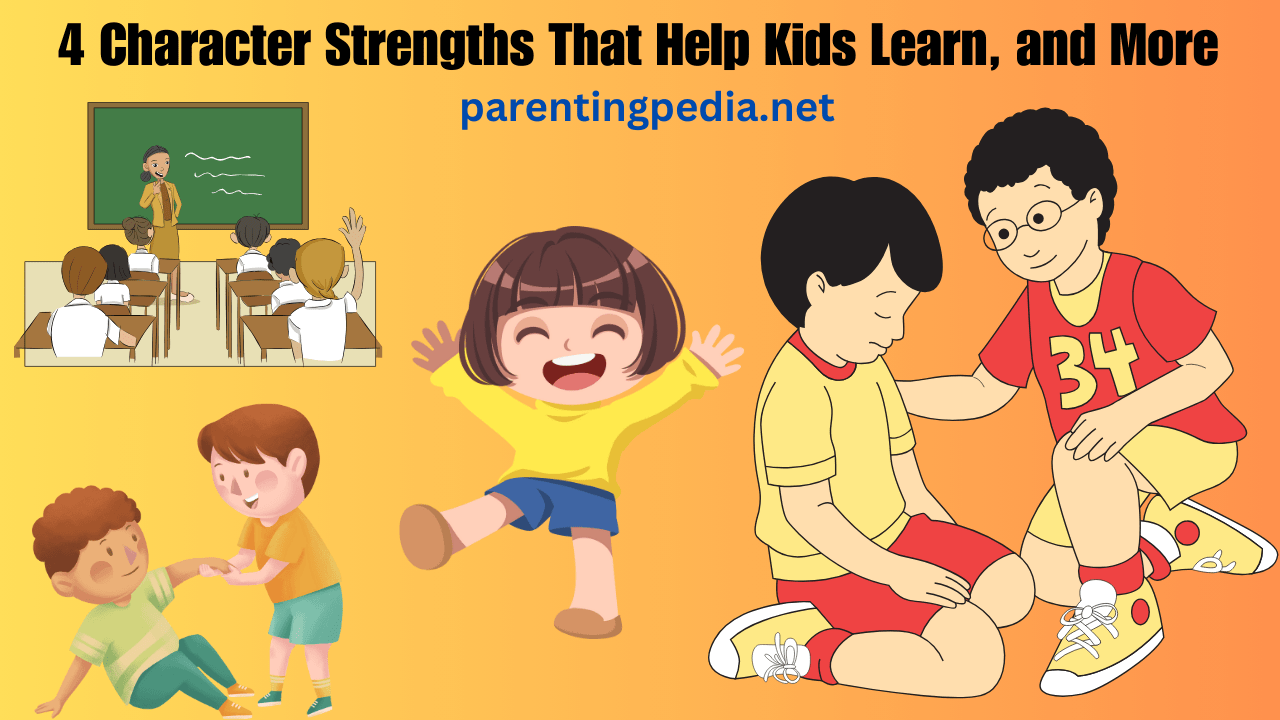
Best of the Web 4 Character Strengths That Help Kids Learn, and More

Learn

Learn about the strong bond between grandmothers and grandkids and bust parenting myths by taking inspiration from Bluey’s dad. Common Sense Media offers a variety of character-building books, movies, and TV shows to help your kids develop important strengths and life skills. Identify and nurture your child’s unique strengths, from character traits to academic abilities, with this comprehensive list.

In the ever-evolving landscape of child development and education, character strengths play a pivotal role. These virtues and attributes are essential for not only personal growth but also academic success.

In this blog post, we’ll explore the world of character strengths, focusing on how they can help children learn, grow, and thrive. We’ll delve into the 24 character strengths, discuss positive psychology, and shed light on the works of renowned scholars like Peterson, Seligman, and many others.

Whether you’re a parent, teacher, or simply curious about how character traits impact a child’s life, this comprehensive guide is here to help.

Introduction

In today’s fast-paced and ever-changing world, it’s crucial to equip children with the tools they need to succeed not only academically but also in life. In this pursuit, character strengths have emerged as a fundamental aspect of a child’s development, helping them not only navigate the ups and downs of life but also excel in their educational endeavors.

Section 1: Understanding Character Strengths

Before we explore specific character strengths and how they can help kids learn, it’s essential to understand the concept of character strengths and virtues. Character strengths are positive traits that reflect what’s best in human beings. Martin E.P. Seligman and Christopher Peterson, in their groundbreaking work on character strengths and virtues, identified 24 character strengths that fall under six virtues:

  1. Wisdom and Knowledge
  2. Courage
  3. Humanity
  4. Justice
  5. Temperance
  6. Transcendence

These character strengths encompass a wide range of positive traits, including love of learning, self-control, teamwork, and many others.

Section 2: The 4 Character Strengths That Boost Learning

In this section, we’ll explore four character strengths that have a significant impact on a child’s ability to learn and excel in various aspects of life.

1. Love of Learning

The character strength of “love of learning” is a driving force for children’s educational success. Kids who possess this strength are naturally curious, motivated, and enthusiastic about acquiring new knowledge. They see learning as an opportunity for growth rather than a chore. By cultivating a love of learning in your child, you can help them stay engaged in their studies and develop a lifelong thirst for knowledge.

2. Self-Control

Self-control is a character strength that plays a crucial role in helping children manage their impulses and make better decisions. It allows kids to focus on tasks, resist distractions, and regulate their emotions effectively. Developing self-control helps children stay on track with their studies and work on character-building, ultimately leading to better academic and personal outcomes.

3. Teamwork

Teamwork is an essential character strength for children’s social and academic success. It involves the ability to collaborate, communicate, and cooperate effectively with others. Kids who excel in teamwork not only work well in group projects at school but also build positive relationships, an important part of their well-being and character development.

Section 3: Putting Character Strengths into Practice

Now that we’ve explored these character strengths and their benefits, it’s crucial to understand how to integrate them into your child’s life effectively. Here are some practical tips:

1. Identify Signature Strengths

Every child has a unique combination of character strengths. The first step is to identify their signature strengths. The VIA Institute on Character offers a free character strengths survey that can help you understand your child’s strengths better. Once you’ve identified their signature strengths, you can focus on nurturing and using them to enhance their learning and development.

2. Strengths-Based Parenting and Education

Embrace a strengths-based approach to parenting and education. Instead of fixating on weaknesses or challenges, emphasize and celebrate your child’s character strengths. Encourage them to use their strengths in various aspects of life, including academics, extracurricular activities, and personal growth.

3. Positive Character Traits in Action

Discuss character strengths with your child. Talk about how their strengths can help them succeed in school and life. Help them recognize and appreciate the positive outcomes that result from applying their strengths in different situations.

4. Collaborate with Schools

Engage with your child’s school to create a positive classroom environment that recognizes and values character strengths. Promote character education within the school community to foster a culture of well-being and character development.

Section 4: The Research and Practice Behind Character Strengths

It’s essential to note that character strengths and their impact on children’s development are not just theoretical concepts but are backed by robust research and practical application.

1. Research on Character Strengths

Over the years, there has been a significant body of research on character strengths. Studies on character strengths have demonstrated that they play a crucial role in children’s well-being, school achievement, and positive outcomes. Researchers like Park et al. have contributed to the growing body of knowledge in this field, shedding light on the significant positive impact of character strengths on children and adolescents.

3. VIA Classification of Character Strengths

The VIA Institute on Character, founded by Martin E.P. Seligman and Christopher Peterson, is a leading organization in the field of character strengths research and practice. They offer the VIA Classification of Character Strengths, which serves as a valuable resource for understanding and applying character strengths effectively.

Frequently Asked Questions (FAQs)

Here are some common questions related to character strengths and how they can help children learn and grow:

Q1: What are the 24 character strengths, and where can I find a list of them?

A1: The 24 character strengths are part of the VIA Classification, created by Martin E.P. Seligman and Christopher Peterson. You can find a list of these strengths on the VIA Institute on Character’s website, along with a free strengths survey to help identify them in yourself and your child.

Q2: How can character strengths be integrated into a child’s daily life?

A2: Character strengths can be integrated into a child’s daily life through strengths-based parenting, character education, and positive reinforcement. Identifying a child’s signature strengths and encouraging them to use these strengths in various activities can have a profound impact.

Q3: Can character strengths help improve academic performance?

A3: Yes, character strengths like a love of learning, self-control, teamwork, and transcendence can positively impact academic performance. They help children stay focused, motivated, and resilient, ultimately leading to better school achievement.

Q4: What resources are available to learn more about character strengths and their applications?

A4: The VIA Institute on Character offers a wealth of resources, including research articles, books, and character strengths assessments. Additionally, you can explore the works of Martin E.P. Seligman, Christopher Peterson, and Michele Borba for in-depth insights into character strengths and their applications.

Conclusion

Character strengths are an integral part of a child’s development and well-being. By understanding and nurturing these strengths, parents and educators can help children thrive academically, emotionally, and socially. In a world filled with challenges, character strengths offer a path to optimism, resilience, and success for the next generation.

As you embark on this journey of developing character strengths in your child, remember that it’s not about perfection but progress. Every step taken to instill positive character traits in children contributes to their growth and future success. Embrace the strengths-based approach, and watch your child flourish, armed with the best qualities that character can offer.

Remember, the greatest reward of parenting lies in watching
your children soar with love and confidence.

Till then keep smiling and be happy ðŸ˜Š

Worth Reading ðŸ‘‡