Understanding Mental Trauma In Children And Teens

Mental trauma in children and teenagers is a critical issue that impacts their emotional, mental and physical well-being. Mental trauma arises from difficult and painful events in life and can have long lasting effects on child if not addressed properly. Distressing events like abuse, bullying, accidents or loss of loved ones can impact emotional and mental well-being of children. Understanding mental trauma in children and teens is important for parents, teachers, community and society at large to provide effective support to growing adults. Parents and caregivers play an important role in preventing and treating mental trauma by giving safe environment to child. Open communication with children and teens is also important to ensure they have better future ahead.

Causes Of Mental Trauma In Children And Teens

Several factors can contribute to development of trauma in children and teens. Issues like physical, emotional or mental abuse, neglect, domestic violence, bullying are major issues that directly or indirectly can impact young minds and lead to mental trauma.

Abuse and Neglect: Physical, emotional or mental abuse and neglect are major contributors to childhood trauma. Such experiences undermine trust and safety, leading to severe mental and emotional damage. Abuse and neglect can lead to anxiety, depression and even mental health disorders if not properly addressed.

Domestic Violence: Exposure to domestic violence, even as a witness, can cause significant psychological harm. The instability and fear experienced in such environments can lead to emotional and psychological trauma in children and teens.

Bullying: Bullying in children and teens involves repeated aggressive behavior, including physical, verbal, or cyber attacks. It leads to feelings of fear, helplessness, and low self-esteem. Because of bullying, child may experience anxiety, depression, and academic difficulties. Repeated bullying can even cause lasting emotional trauma and negatively impact mental health and social development of child.

Accidents and Natural Disasters: Being involved in a severe accident, natural disaster, or other catastrophic events or even witnessing them can cause mental trauma in child. The sudden and often violent nature of these incidents can be particularly distressing and can cause mental trauma in children as well as teens.

Loss of a Loved One: The death of a close family member, friend, or pet can be a traumatic experience for child. Such tragic events can cause severe trauma especially if the loss is sudden or violent.

Chronic illness or medical procedures: Facing difficult medical procedures or suffering from chronic illness can be traumatic experience for children and teens. Such conditions can lead to feelings of fear, helplessness, and anxiety and can cause mental trauma.

Symptoms Of Trauma In Children And Teens

Symptoms of trauma in children and teens often include:

Emotional and Behavioral Changes: Increased irritability, angers and aggression, withdrawal from friends and family, anxiety, fearfulness and depression are some emotional and behavioral changes in child suffering from trauma. Even some children who suffer from trauma can experience sleep disturbances and nightmares.

Impact on Academic Performance: Children and teens suffering from trauma will have difficulty in concentrating and paying attention and their academic performance will decline gradually. Such children will suffer from confusion and memory problems. There will also be lack of interest in school and curricular activities on their part.

Also Read: Childhood Bullying Tips for Parents on What to Do

Physical Symptoms: Children with mental trauma can show symptoms of frequent headaches and stomachaches without a clear medical cause. There will be change in appetite and eating habits of such children and will suffer from fatigue and low energy levels.

Regressive Behaviors: Regressive behavior like bedwetting, thumb-sucking and increased clinginess will be found in children suffering from trauma especially younger children.

Social and Interpersonal Issues: Children and teens suffering from mental and emotional trauma will have difficulty forming and maintaining relationships with others. Such children will also have trust issues and suffer from social withdrawal.

Side Effects Of Mental Trauma In Children And Teens

If not addressed properly, mental and emotional trauma can lead to severe long-term consequences in teens, including:

Mental Health Disorders: Trauma in children can lead to post traumatic stress disorder which can result in symptoms such as flashbacks, severe anxiety and uncontrollable thoughts about traumatic events in children.

Behavioral Problems: Trauma can lead to behavioral problems in children especially teens. Teens can start using drugs and alcohol to cope with trauma. They can also adopt more aggressive and violent behavior in response to unresolved trauma.

Social and Interpersonal Issues: Children suffering from trauma can have difficulty forming healthy relationships with others. Such children can also have trust issues and fear of intimacy. They may struggle with peer interactions, experience loneliness and social withdrawal because of underlying trauma.

Role Of Parents And Caregivers

Parents and caregivers play an important role in supporting children and teens suffering from mental trauma. Effective strategies which parents can adopt include:

Creating a Safe Environment: Creating a safe environment at home for children will ensure that the child feels safe and secure in the comfort of their home.

Open Communication: Parents must engage in open and honest discussions with child about their feelings and experiences. Open communication and active listening are important for building trust between parents and child.

Consistency and Routine: Maintaining a stable routine provide children with a sense of security and predictability which is essential for their emotional and psychological well-being. Consistent discipline and clear boundaries promote stability, reduce anxiety and encourage positive behavior and development in children.

Seeking professional help: Seeking professional help for children experiencing mental trauma is important for their recovery and well-being. Consulting with medical health professional will help children deal with trauma and promote healing in them.

Understanding Mental Trauma

Prevention Strategies Of Mental Trauma In Children And Teens

Trauma can be prevented in children and teens by keeping them in safe environment where they feel safe and supported. Key strategies that will help in preventing mental trauma include:

Education and Awareness: Education and awareness about mental trauma in children and teens is important for prevention of trauma at an early stage. Educators and parents must provide age-appropriate information to children about trauma and how they must seek help if needed.

Early Intervention: Early intervention in mental trauma for children is important for preventing long term effects of trauma and promote healing. Addressing signs of trauma at an early stage will help children process their trauma and cope with it in a healthy way.

Conclusion

Mental trauma in children and teens is a significant concern that can have long lasting effects on their emotional, psychological, and physical well-being. Early identification of trauma and intervention by parents, educators and care givers is important in reducing lasting effects of trauma and promote healing in children. Proper support from family and teachers, therapy if needed, stable home environments, and educational awareness plays an important role in helping children and teens cope with mental and emotional trauma and overcome it.

FAQ

What causes mental trauma in a child?

Mental trauma in a child can be caused by physical and mental abuse, neglect, exposure to domestic violence, bullying, accidents, loss of a loved one, medical procedures and chronic illness, and experiences of war or natural disasters. Such events undermine a child’s sense of safety and trust and cause severe trauma.

What are the consequences of mental trauma in children?

Mental trauma in children can lead to anxiety, depression, Post Traumatic Stress Disorder, behavioral issues, learning difficulties, and sleep disturbances. It may also cause social withdrawal, trust issues, and difficulty in maintaining relationships with others. Long-term effects of trauma can include mental health issues which can impact their emotional, mental and social development in future.

🎉 Score Freebies by Completing Fun Offers – Start Now!
Importance Of Balanced Diet For Children

Importance Of Balanced Diet For Children

Nutritional Requirements For Children

Nutritional requirements for children include both macronutrients and micronutrients for everyday diet. Macronutrients are that part of food which are required by body in large amounts on daily basis. Macronutrients include carbohydrates, proteins and fats which are very essential for body as they give you energy that body needs to function properly. Similarly, micronutrients are that part of food which are needed for body in very small amounts. Micronutrients include vitamins and minerals that are needed in little amounts by body but plays major role in development, growth and health of children.

Macronutrients

Macronutrients include carbohydrates, proteins and fats that are needed for children in large amounts for healthy functioning of body.

Carbohydrates: Carbohydrates provide energy to body for daily activities. Hence, carbohydrates are vital for children so that they can stay active throughout the day. If a child don’t get enough carbohydrates, he/she will feel fatigued, have irritable mood and will have overall lack of energy throughout the day. Carbohydrates are found in foods such as grains, fruits and vegetables. Simple examples of day-to-day foods that have carbohydrates include bread, rice, beans, potatoes, milk etc.

Proteins: Proteins are essential for growth and repair of tissues in our body. Protein plays an important role in child growth as well as maintenance and recovery of body. Lack of protein in children diet will cause issues such as slowed growth and lowered immunity in body. Protein is found in sources of food like meat, fish, dairy products, nuts and legumes. Examples of protein rich foods are egg, milk, almonds, yogurt, soy protein etc.

Fats: Like carbohydrates and proteins, healthy fats are also essential for growth and development in young kids. Healthy fats must also be included in balanced diet because they are important for energy storage, brain development and absorption of fat soluble vitamins too. Lack of healthy fats in child’s diet can cause a weaker immune system and issues related to vitamin deficiencies. Fats are found in foods like oils, nuts, fatty fish, ghee, flaxseeds etc.

Micronutrients

Micronutrients include vitamins and minerals that are needed by body in small amounts but plays a vital role in various physiological functions of body. Micronutrients play an essential role in normal growth and development of children.

Vitamins: Vitamins such as Vitamin A is needed for healthy eyesight, Vitamin D is required for bone health and Vitamin C is important for immune function of body. Similarly B complex vitamins like Vitamin B6 and B12 helps with red blood cell production and energy metabolism.

Minerals: Like Vitamins, minerals like calcium, iron and zinc are also essential for child to grow and stay healthy. In fact, growing children need more minerals in their balanced diet because minerals are involved in many physiological processes of body. Both vitamins and minerals are needed for building strong bones to healthy immune functioning and energy production.

Balanced Diet For Children

Need Of Balanced Diet For Children

Physical Growth and Development: Children grow fast and their body needs adequate supply of nutrients to support this developing growth. Both macronutrients and micronutrients like carbohydrates, proteins, vitamins, minerals and fats play an important role in building and repairing muscles and bones in body. If balanced diet with all important nutrients is not given to children, it can lead to slow growth, weakened immune system and other health problems.

Also Read: Kids and Exercise: Why We Need to Make Sure They’re on Track

Energy Needs of Growing Body: Children are highly active and need significant energy for their day to day activities. Sources of Carbohydrates and Fats like milk, grains and nuts provide all the necessary energy for daily activities, play and physical development. If balanced diet with proper energy sources is not given to children, they may experience fatigue, lack of concentration and reduced participation in play and physical activities.

Brain Development: Brain develops rapidly during childhood and thus, child needs nutrition rich food for this process. Omega 3 fatty acids, iron, protein, zinc and other essential nutrients are needed for brain development and function. Foods like eggs, yogurt, vegetables, nuts, fish and milk must be included in daily diet of children. If a balanced diet with proper nutrients is given to child, he/she will develop better ability to think, reason and learn.

Prevention of Chronic Diseases: A balanced diet with proper nutrients will help in maintaining a healthy weight and prevent obesity in children. Healthy diet will also reduce chances of obesity related diseases such as diabetes, hypertension and heart disease. A diet rich in fruits, vegetables, grains and proteins must be given to children to stay healthy and fit.

Establishing Healthy Eating Habits In Children

Lifelong Habits: Children who learn to eat a balanced diet from a young age are more likely to continue these habits into adulthood. Teaching children about the importance of healthy diet and encouraging them to try variety of nutrients rich foods help them establish healthy eating habits that last a lifetime.

Avoiding Unhealthy Choices: A balanced diet helps children understand the difference between healthy and unhealthy food choices. Reducing the intake of processed foods, sugary snacks, and beverages available in market can prevent the development of unhealthy eating habits that lead to obesity, diseases and other health issues later in life.

Conclusion

A balanced diet is essential for healthy growth and development of children. Healthy diet with proper nutrients included supports physical growth, brain development, immune system strength, and the prevention of chronic diseases. Establishing healthy eating habits early in life can lead to lifelong benefits. It will also reduce risk of obesity and obesity related diseases. Parents and family play an important role in ensuring that children receive the nutrition they need to grow and develop. A balanced diet containing variety of healthy foods must be provided to children to ensure their physical and mental growth and development along with their overall well-being.

FAQ

What is the importance of children nutrition?

Children nutrition is important for their growth, brain development and overall health. Proper nutrition supports physical development, strengthens the immune system, and enhances learning and concentration. It prevents chronic diseases like obesity and establishes lifelong healthy eating habits. Ensuring children receive a balanced diet promotes their well-being, helping them grow into healthy, active, and productive adults.

How does a healthy diet help a child development?

A healthy and balanced diet supports child development by providing essential nutrients for physical growth, brain development, and a strong immune system. It enhances brain abilities like memory and concentration, leading to better academic performance. Proper nutrition prevents chronic diseases and promotes a healthy weight. Establishing healthy eating habits early in life ensures children develop into healthy and active, and adults.

🎉 Score Freebies by Completing Fun Offers – Start Now!

10 Simple Ways To Improve Your Toddler’s Sleep Schedule

1. Set a Regular Bedtime Routine

Having a regular bedtime routine tells your toddler it’s time to calm down and get ready for bed. After taking a bath or shower, You can do things like read a book, or sing a lullaby together, or sing good and soothing songs. Doing these activities regularly helps your child learn when it’s time to sleep.

2. Make Sleeping Place Clean and comfortable.

Make sure your toddler’s sleeping area helps them rest well. Use a comfy mattress, keep the room at a comfortable temperature (around 68-72°F or 20-22°C), and reduce noise and light. You might want to use curtains that block out light if it’s too bright.

More tips on establishing healthy sleep habits

3. Reduce Screen Time Before Bed

The blue light of screens can disturb your as well as your toddler’s natural sleep cycle. Aim to limit screen time at least an hour before bedtime. Instead, encourage other calming activities that promote relaxation.

4. Encourage To Do More Physical Activities During the Day

For better and sound sleep, encourage your toddler to do more physical activities. Plan active play sessions during the day, such as outdoor play, dancing, or playground visits. Avoid vigorous activities close to bedtime.

5. Monitor Their Daytime Naps

Naps are important for toddlers, but make sure they don’t happen too late in the day or last too long. This could make it harder for them to sleep at night. Try to keep their nap times consistent and the length just right so they feel rested but are still ready for bedtime.

Toddler Bedtime Routine

6. Give Your Child A Variety Of Healthy Foods

Giving your toddler a balanced and nutritious diet helps them stay healthy and also sleep well. Make sure they eat meals and snacks with important nutrients and avoid sugary or caffeinated foods, especially in the evening.

7. Establish a Comforting Bedtime Practice

Allow them to sleep with their favorite toy, or their favorite blanket or stuffed animal. This can feel them more secured, safe and comfortable, making the transition to sleep smoother.

Learn about toddler sleep patterns and common challenges

8. Keep In Mind Sleep Associations

Help your toddler learn to self-soothe by avoiding creating strong sleep associations, such as needing a parent to be present until they fall asleep. Encourage independence while providing comfort and reassurance.

9. Address Night-time Fears

Many toddlers experience fears or anxieties that can disrupt sleep. Validate your child’s feelings and provide reassurance. Incorporate calming activities or a nightlight if it helps your toddler feel more secure.

10. Stay Consistent

Consistency is crucial when implementing changes to your toddler’s sleep schedule. Be patient and persistent with the strategies you choose, as it may take time for your toddler to adjust to a new routine.

Conclusion:

Improving your toddler’s sleep schedule requires patience, consistency, and a supportive environment. By implementing these simple strategies and establishing a bedtime routine tailored to your child’s needs, you can help ensure they get the restful sleep essential for their development and well-being.

Remember, every child is unique, so be flexible and adjust these tips as needed to suit your toddler’s individual preferences and sleep patterns.

Implementing these tips can lead to a happier, healthier toddler—and more restful nights for the entire family.

Frequently Asked Questions (FAQs):

1. How much sleep does my toddler need each night?

Toddlers generally need around 11-14 hours of sleep per day, including naps.

2. What should I do if my toddler consistently wakes up during the night?

Check if there are any environmental factors disrupting their sleep (e.g., noise, discomfort). Comfort your child if needed but encourage them to self-soothe.

3. Is it normal for toddlers to resist bedtime?

Yes, it’s common for toddlers to resist bedtime as they test boundaries. Consistency and a calming routine can help minimize resistance.

4. Should I wake my toddler from naps to maintain a bedtime schedule?

Ideally, let your toddler wake naturally from naps to ensure they get the sleep they need. Focus on consistency in nap times instead.

5. How can I help my toddler adjust to daylight saving time changes?

Gradually adjust bedtime and wake-up times by 15 minutes each day leading up to the time change to help ease the transition.

Remember, the greatest reward of parenting lies in watching
your children soar with love and confidence.

🎉 Score Freebies by Completing Fun Offers – Start Now!

Parental Guide: Exploring the Risks of Vaping

Parents

Lets really get into the critical implications of vaping among youngsters with this informative resource. Gain a comprehensive understanding of the hidden dangers associated with this trend and discover practical strategies to protect your child’s well-being. Handle this complicated issue with confidence using expert tips and practical advice for responsible parenting. In this article let’s discuss and understand Parental Guide: Exploring the Risks of Vaping and discover the facts on vaping and e-cigarettes.

In a world where vaping has become more prevalent than ever, parents find themselves grappling with the challenge of understanding what vaping really entails and its potential risks for their children.

What is Vaping?

Vaping refers to using electronic devices, often resembling traditional cigarettes, to inhale and exhale an aerosol, commonly known as vapor. These devices, ranging from sleek vape pens to sophisticated mod systems, have flooded the market in recent years, making it crucial for parents to grasp the basics.

Why is Vaping So Popular Among Teens?

Vaping is the act of inhaling and exhaling the vapor produced by e-cigarettes and vaping devices. Unfortunately, its rise in popularity among middle and high school students is alarming. A recent study found that 1 in 5 high school students have used a tobacco product, with many being drawn to vaping due to its perception as being less harmful than traditional tobacco products.

The Health Risks of Vaping

1. Addiction to Nicotine:

Vaping products contain nicotine, a highly addictive substance. Many teens are vaping without realizing that they are essentially inhaling a potentially addictive chemical. The long-term effects of nicotine addiction can lead to severe health issues, including increased heart rate and an elevated risk of substance use disorders in the future.

2. Unknown Long-Term Effects:

While it’s true that vaping is often believed to be less harmful than smoking traditional cigarettes, the truth is we don’t yet know the long-term effects. Health care professionals are concerned that the rise in popularity of vaping among teens may also increase the risk of addiction to traditional cigarettes.

3. Severe Lung Injuries:

In recent years, there have been reported cases of severe lung injuries related to e-cigarette or vaping use. It’s crucial to note that vaping is not risk-free, and these cases highlight the potential dangers associated with using vaping devices.

What Parents Can Do

1. Parents Can Talk With Child:

Communication is key. Don’t shy away from having an open and honest conversation with your child about vaping. Ensure they understand the potential risks and consequences associated with the use of these products.

2. Be Aware of Signs of Vaping:

Vaping devices are easy to hide, resembling everyday items like pens or USB drives. Some even look like watches or other gadgets. Be vigilant and educate yourself on the various types of vaping devices available to better recognize them if your child is using one.

3. Set a Good Example:

Children often emulate their parents’ behavior. If you smoke or vape, it’s essential to be mindful of the example you’re setting. Quitting smoking or vaping can not only improve your own health but also discourage your child from starting these habits.

Conclusion:

understanding the complexities of vaping is crucial for parents who want to help protect their children from the potential health risks associated with these products. By talking openly with your child, staying informed about vaping devices, and setting a positive example, you can contribute to a healthier, vape-free environment for your family. It’s important to act now, as the vaping epidemic continues to rise among our youth, and the long-term effects are yet to be fully understood.

Quick Tips To Stop Vaping

FAQs

Are e-cigarettes and vaping really less harmful than traditional cigarettes?

While some argue that vaping is less harmful, it’s essential to remember that we don’t yet fully understand the long-term effects. Health care professionals are concerned about the potential health risks associated with vaping.

Can vaping lead to smoking regular cigarettes?

Studies have found that teens who use vaping products are more likely to start smoking traditional cigarettes. Vaping may serve as a gateway to other forms of tobacco use.

How can I help protect my child from the risks of vaping?

Talk openly with your child about the dangers of vaping, be aware of signs of vaping, and set a positive example by avoiding smoking or vaping yourself.

Do all vaping products contain nicotine?

Yes, most vaping products contain nicotine, which is highly addictive. It’s important to educate your child about the addictive nature of nicotine and the potential risks associated with its use.

What should I do if I suspect my child is addicted to vaping?

If you suspect your child is addicted to vaping, seek help from a health professional, preferably an addiction specialist. There are several treatment options available to address nicotine addiction.

Remember, the greatest reward of parenting lies in watching
your children soar with love and confidence.

Every Busy Mom Should Know These 10 Essential Parenting Hacks

Mom

Being a busy parent is no easy feat, and for busy moms, the struggle is real. Between juggling work, household chores, and ensuring your little ones are thriving, it’s easy to feel overwhelmed. But fear not, because we’ve got you covered with 10 time-saving mom hacks that will make your life a whole lot easier. So, take a deep breath, grab a cup of coffee, and let’s dive into these practical and Spartan life hacks that Every Busy Mom Should Know These 10 Essential Parenting Hacks.

These 10 Essential Parenting Hacks

The 10-Minute Meal Plan-Mom:

Life’s hectic, and spending hours in the kitchen is the last thing any busy mom wants. That’s why I’m excited to introduce the 10-minute meal plan hack. Instead of stressing over last-minute grocery store runs and chaotic dinner times, take a solid 10 minutes to plan your meals for the week. Make a list of wholesome ingredients, create a high-quality chart, and stick to it. This way, you’ll not only save time but also ensure your family loves the nutritious dinners you prepare.

Efficient Laundry Routine:

Laundry is a constant battle for moms, but you can make life much easier with a few handy hacks. Invest in a good laundry app that helps you organize and streamline your laundry routine. Set reminders for when to switch loads or fold clothes, and watch how much time you save. Additionally, teach the kids to rotate items like bedsheets and towels, lightening the laundry load for everyone.

Time-Saving Dishwasher Hacks:

The dishwasher is a busy mom’s best friend, but let’s take it up a notch with some time-saving tips. Instead of spending precious minutes scrubbing dishes, use high-quality dish soap and load the dishwasher strategically. Don’t waste time pre-rinsing; simply scrape off excess food, load, and let the dishwasher work its magic. This hack not only saves time but also leaves you with more quality time to spend with your family.

Essential Parenting Hacks

15-Minute Self-Care:

Amidst the chaos, don’t forget about yourself. Taking care of your well-being is essential for maintaining sanity. Set aside 15 minutes each day for self-care. Whether it’s reading a book, practicing yoga, or enjoying a quick bath, these short breaks can make a significant difference. Moms often neglect self-care, but this simple hack can leave you feeling happier, more focused, and ready to tackle the next challenge.

Streamlined Grocery Shopping:

The grocery store can be a stressful experience for any busy mom, but it doesn’t have to be. Make a list before heading out, and stick to it. Use a timer to limit your time in the store, preventing last-minute impulse buys. Opt for grocery shopping apps that offer tutorials on efficient shopping and help you get in and out in record time. This hack ensures you spend less time at the store and more time with your loved ones.

Quick Bedtime Routine:

Getting the kids to bed can be a chaotic experience, but with a solid bedtime routine, you can turn it into a breeze. Create a routine that includes activities like reading a story, brushing teeth, and setting a timer for lights out. This not only helps in establishing a sense of structure but also ensures everyone gets a good night’s sleep. Say goodbye to bedtime battles, and hello to a peaceful evening.

DIY Solid Ice Cream Prep:

For those moments when you’re craving a sweet treat, but don’t want to go crazy with the calories or spend hours in the kitchen, try this solid ice cream prep hack. Make your own wholesome and delicious ice cream at home using simple ingredients. All you need is a blender, your favorite fruits, and a few minutes of prep time. This way, you can satisfy your sweet tooth without compromising on health or time.

Handy Diaper Changing Station:

Diaper changes can be a messy affair, but with a well-organized diaper changing station, you’ll save time and avoid unnecessary stress. Keep diapers, wipes, and other essentials within easy reach. Set up designated bins for dirty diapers and laundry detergent to make clean-up a breeze. This hack ensures you spend less time fumbling for supplies and more time focusing on your little one.

Trash Rotation System:

Taking out the trash is a chore no one likes, but with a simple rotation system, it becomes much more manageable. Instead of waiting until the garbage is overflowing, designate specific days for trash disposal. This way, you’ll have a routine in place, making it a quick and efficient task. It may seem like a small detail, but it contributes to a more organized and stress-free household.

Quality Time with Quick Activities:

Spending quality time with your family doesn’t have to involve elaborate plans. Embrace quick activities that strengthen your bond without requiring a significant time investment. Whether it’s a short walk, a game of charades, or a family movie night, these moments add up. Moms often find themselves caught up in a whirlwind of tasks, but by incorporating these quick and enjoyable activities, you’ll create lasting memories without sacrificing your time.

Conclusion:

Life as a busy mom is undoubtedly challenging, but with these 10 essential parenting hacks, you can make it a bit more manageable. From time-saving meal plans to streamlined laundry routines and quick self-care breaks, these hacks are designed to help you navigate the chaos of motherhood with Spartan efficiency. So, take a deep breath, implement these hacks into your daily routine, and watch as you reclaim precious moments to spend with your family. Remember, it’s not about doing more; it’s about doing what matters most.

FAQs

How can I make parenting easier?

The best ways to make parenting easier are mainly this 3 points
1. Prioritize self-care to maintain your well-being.
2. Establish routines for predictability and structure.
3. Seek support from family, friends, or parenting groups.

What kids need most from parents?

Children grow well when they receive love and affection, essential for their emotional growth. Providing attention and being present offers them reassurance and a feeling of safety. Setting clear boundaries and offering guidance aids in their responsible development. Positive role modeling and open communication are key to nurturing trust and fostering healthy relationships.

What is the most successful parenting style?

The most successful parenting style balances warmth and responsiveness with clear expectations and boundaries. This authoritative approach encourages independence while maintaining a supportive environment, promoting positive behavior and emotional development in children.

What is the key to successful parenting?

Mainly the key to successful parenting lies in communication, consistency, and empathy.
Understand and follow this 3 major points and surely you will really enjoy your parenting journey.

Remember, the greatest reward of parenting lies in watching
your children soar with love and confidence.

🎉 Score Freebies by Completing Fun Offers – Start Now!

Worth Reading

How To Deal With Bad Child Behavior

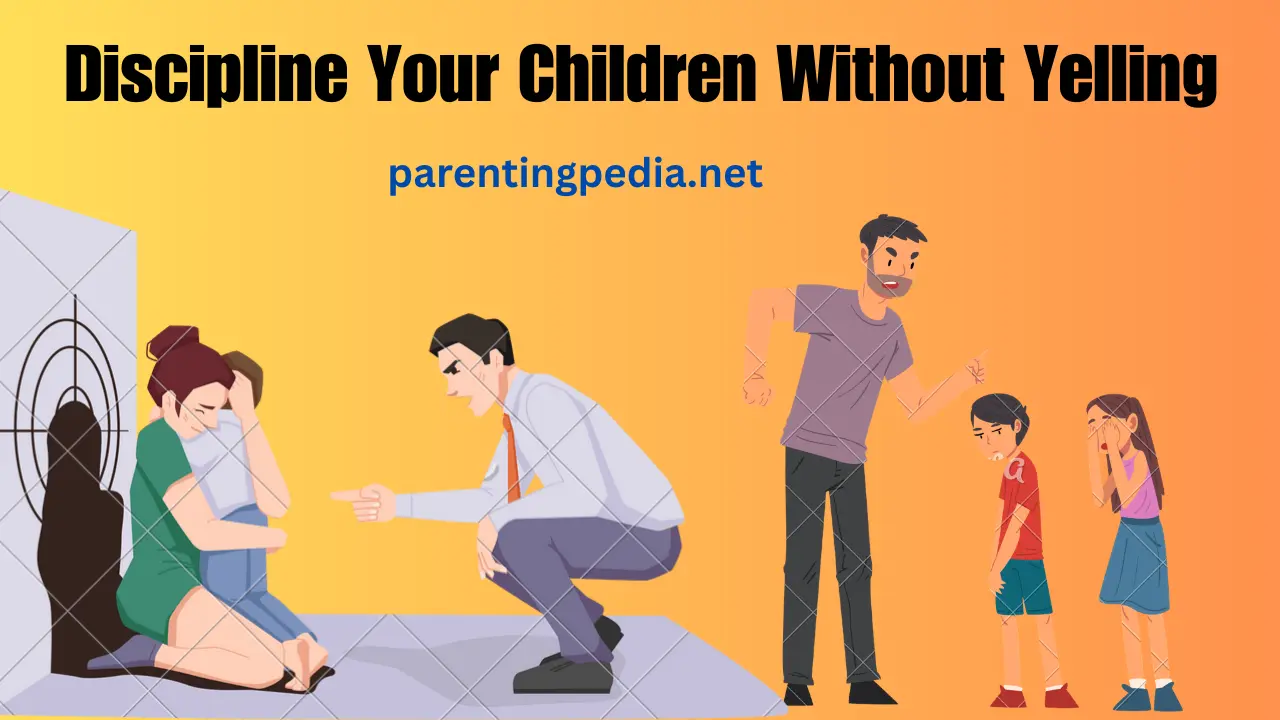
Without Yelling

In today’s world, it is very difficult for parents to deal with bad child behavior. Parenting is undoubtedly one of the most rewarding experiences, but it comes with its fair share of challenges, particularly when dealing with bad behavior in children. Whether it’s temper tantrums or disobedience, addressing these behaviors requires patience, understanding, and effective strategies. In this article, we’ll explore actionable ways parents can handle and improve their child’s behavior. In this article, we will discuss about How To Deal With Bad Child Behavior.

ROOT CAUSES FOR BAD CHILD BEHAVIOUR

Understand the Root Cause:

Before reacting to your child’s behavior, take a step back and try to understand what might be causing it. Is it frustration, a need for attention, or perhaps a lack of clear boundaries? Understanding the underlying reasons can help you address the behavior more effectively.

Set Clear Expectations:

Establishing clear expectations and rules is essential for guiding your child’s behavior. Clearly communicate what behaviors are acceptable and unacceptable, and consistently enforce these boundaries to deal with bad child behavior

Use Positive Reinforcement:

Acknowledge and praise good behavior to reinforce positive actions. Positive reinforcement, such as verbal praise, rewards, or privileges, encourages children to repeat desirable behaviors.

Stay Calm and be Patient:

Maintain your composure, even in challenging situations. Reacting angrily or impulsively can escalate the situation and make it more difficult to address bad child behavior effectively. Take a deep breath, remain calm, and respond thoughtfully.

Bad Child Behavior

Read More: Support Your Teens Mental Health

EFFECTIVE STRATEGIES FOR DEALING WITH BAD CHILD BEHAVIOR

Implement Consequences Consistently:

Consistency is key when it comes to discipline. Clearly outline consequences for negative behavior and follow through consistently. This helps children understand the correlation between their actions and consequences.

Encourage Open Communication:

Create an environment where your child feels comfortable expressing their thoughts and feelings. Encourage open communication and listen actively to understand their perspective. This can help address underlying issues and prevent future behavioral problems.

Lead by Example:

Children often mimic the behavior of their parents, so it’s essential to model positive behavior. Demonstrate patience, empathy, and respectful communication in your interactions with others, including your child.

Seek Professional Help if Needed:

If your child’s behavior persists despite your best efforts, don’t hesitate to seek professional guidance. A pediatrician, counselor, or child psychologist can offer valuable insights and support tailored to your child’s specific needs.

CONCLUSION

Dealing with bad child behavior can be challenging, but it’s not insurmountable. By understanding the root causes, setting clear expectations, using positive reinforcement, and maintaining patience, parents can effectively manage and improve their child’s behavior. Remember, every child is unique, so it may take time to find the strategies that work best for your family. With consistency, empathy, and perseverance, parents can navigate these challenges and foster positive growth and development in their children.

FAQs

How do you discipline a child with behavior problems?

First, understand the root cause, set clear boundaries, use positive reinforcement, and seek professional help if needed. Consistency, patience, and effective communication are key to guiding their behavior positively.

How do you deal with a difficult child’s behavior?

To handle difficult child behavior, maintain calmness, establish clear expectations, and utilize positive reinforcement techniques while seeking professional support if necessary. Consistent discipline coupled with empathy fosters a conducive environment for behavioral improvement.

Why does my child behave so badly?

Children may behave poorly due to various reasons such as seeking attention, frustration, lack of clear boundaries, or underlying emotional issues. Understanding the root cause can help address and improve their behavior effectively.

How do I stop yelling at my kid?

To stop yelling at your child, practice mindfulness techniques to manage frustration, communicate calmly, and establish clear expectations with consistent consequences to encourage positive behavior. Employing patience and empathy fosters a healthier parent-child relationship.

Remember, the greatest reward of parenting lies in watching
your children soar with love and confidence.

🎉 Score Freebies by Completing Fun Offers – Start Now!

Ways to Support Your Teen’s Mental Health as Restrictions Ease

Support

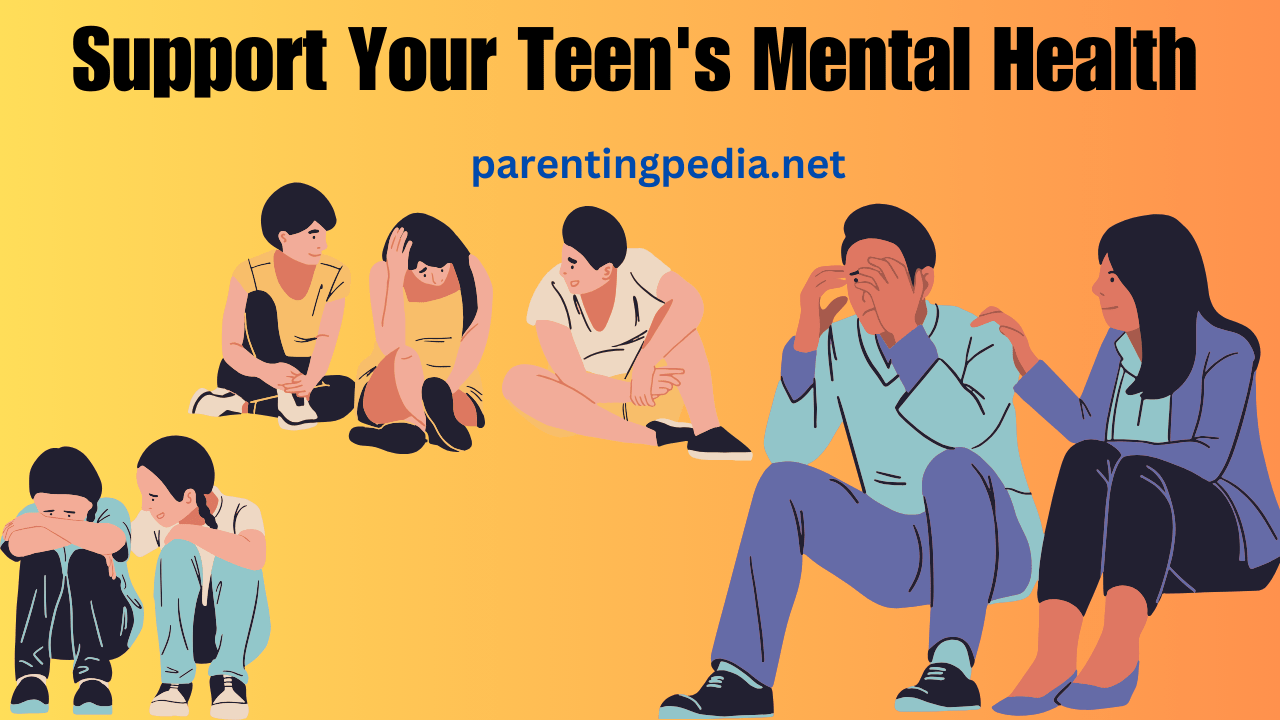
In the wake of recent changes in restrictions, it’s essential to focus on supporting the mental health of our teenagers.

The transition period can be challenging for them, with potential impacts on both their physical and mental well-being. As parents and guardians, there are practical and straightforward ways to help your teen navigate these changes.

In this blog post, we’ll explore effective strategies and provide valuable information to assist you in supporting your teenager’s mental health.

One of the most powerful ways to support your teen’s mental health is by offering consistent emotional support. Let your teen know that their feelings are valid and that you are there to listen without judgment. Encourage open communication and create an environment where your teen feels comfortable expressing their emotions.

2. Spend Quality Time with Your Teen

Amidst the hustle and bustle of life, it’s crucial to carve out quality time with your teen. Engage in activities they enjoy, and use this time to bond. A simple walk in the park or a movie night at home can provide an opportunity for connection and a chance for them to open up about their experiences.

3. Encourage Healthy Coping Strategies

Help your teen develop healthy coping mechanisms to deal with stress and uncertainty. Encourage activities that promote physical health, such as regular exercise and a balanced diet. Physical and mental well-being are closely intertwined, and fostering healthy habits can have a positive impact on your teen’s overall health.

4. Keep an Eye on Mental Health Symptoms

Be vigilant about signs of mental health challenges in your teen. These can manifest in various ways, such as changes in behavior, mood swings, or withdrawal from social activities. If you notice any concerning signs, don’t hesitate to talk with your child and seek professional help if necessary.

Support Your Teen

5. Foster a Supportive Environment

Create an environment where your teen feels safe and supported. Let them know that seeking help is a sign of strength, not weakness. Discuss the importance of mental health and substance use prevention openly, and provide information on mental health resources available to them.

6. Know When to Seek Professional Help

If your teen is experiencing mental health crises or if their mental health-related challenges persist, it’s crucial to seek professional help. Mental health professionals, including counselors and therapists, are trained to provide the necessary care and support.

7. Collaborate with Schools and Health Programs

Work in collaboration with schools and local health programs to access mental health resources and support. Many educational institutions have counseling services that can assist teens facing mental health challenges. Additionally, community health programs may offer valuable resources and information.

8. Provide Information on Immediate Help

Ensure your teen is aware of immediate help options, such as crisis hotlines and emergency services. Having this information readily available can be crucial in times of need.

9. Encourage Seeking Support

Let your teen know that asking for help is a sign of strength, not weakness. Encourage them to talk to friends, teachers, or other trusted individuals if they are hesitant to approach you with their concerns.

10. Be a Role Model for Mental Health

Demonstrate the importance of mental health by taking care of your own well-being. Share your experiences with stress management and seeking support when needed. Being a positive role model can inspire your teen to prioritize their mental health.

Conclusion

supporting your teen’s mental health during the transition period involves a combination of emotional support, open communication, and practical strategies. By fostering a supportive environment, encouraging healthy habits, and knowing when to seek professional help, you can play a crucial role in your teenager’s well-being. Remember, your love and support are powerful tools in helping your teen navigate the challenges they may face.

FAQs

Q1: What should I do if my teen is struggling with their mental health?

A1: If you notice any signs of poor mental health, such as changes in behavior or mood, it’s crucial to talk with your teen. Encourage them to express their feelings, and if needed, seek professional help from mental health professionals.

Q2: How can I help my teen develop healthy coping strategies?

A2: Encourage activities that promote physical health, such as exercise and a balanced diet. Engage in open conversations about stressors, and help them find constructive ways to cope, such as mindfulness, journaling, or pursuing hobbies.

Q3: What if my teen is resistant to seeking professional help?

A3: It’s common for teens to be hesitant about seeking help. Emphasize that mental health conditions are real, and seeking support is essential. Offer your unconditional love and support, and if necessary, consult with mental health professionals for guidance on approaching the situation.

Q4: How can I improve my teen’s mental health literacy?

A4: Engage in conversations about mental health, provide information on mental health conditions, and discuss available resources. By fostering an open dialogue, you empower your teen to understand and manage their mental well-being.

Remember, the greatest reward of parenting lies in watching
your children soar with love and confidence.

🎉 Score Freebies by Completing Fun Offers – Start Now!
Best of the Web vaping and what’s happening in schools

vaping

In the realm of high school life, a new trend has taken root, spreading like wildfire among students – teen vaping. The issue has ignited concern among school staff, administrators, and parents alike, prompting a closer look at the growing problem and its implications for the health and safety of our youth. This blog post aims to delve into the vaping epidemic among high school students, exploring the trends, risks, and measures schools take to address this pervasive issue. In this post let’s discuss and learn more about Best of the Web vaping and what’s happening in schools.

The Spartan Reality: Vaping Negatively Among High Schoolers

As we walk into the halls of schools nationwide, an unsettling truth unveils itself – a significant number of high school students have tried vaping. In a recent survey conducted by the Department of Education, alarming figures revealed that 1 in 10 middle and high school students reported vaping within the last 30 days. This growing problem has seeped into the fabric of our schools, creating a challenging environment for educators and administrators. What is Best of the Web vaping and what’s happening in schools?

Vaping in Bathrooms: A Disturbing Trend

One of the most concerning aspects of teen vaping is the location where it often takes place – the school bathroom. Students who vape have found refuge in these secluded spaces, away from the watchful eyes of school staff. Reports indicate a surge in the use of vaping devices, such as Elf Bar and Esco Bar, in bathrooms across the nation.

School Resource Officers on High Alert

To combat the rising tide of teen vaping, school resource officers (SROs) find themselves at the forefront. Trained to provide a Spartan response, these officers play a crucial role in maintaining school safety. Their challenge includes not only identifying students who vape but also addressing the health risks associated with vaping products.

Vaping
Vaping

Pros:

  1. Increased Awareness: By addressing the issue of teen vaping in schools, we are raising awareness about the prevalence and potential dangers associated with this behavior. This can lead to better-informed students, parents, and educators.
  2. Preventative Education: Schools implementing vaping education into their curriculum are taking a proactive approach to prevent further incidents. This education can empower students with the knowledge to make healthier choices and resist peer pressure.
  3. Parental Involvement: The concern about teen vaping is prompting parents to become more involved in their children’s lives. This increased parental engagement fosters a supportive environment for students to make informed decisions about their health.
  4. Legal Measures: The issuance of warning letters to vaping product manufacturers by federal officials demonstrates a commitment to combatting the issue at a broader level. This may lead to stricter regulations on the marketing and sale of vaping products.
  5. Collaborative Efforts: Schools, parents, and health officials working together create a collaborative front against teen vaping. This collective effort can result in a more comprehensive and effective strategy to address the problem.

Cons:

  1. Rising Incidents: The fact that teen vaping is on the rise among high school and even middle school students is a significant con. It indicates that current preventive measures may not be sufficient to curb this trend.
  2. Enforcement Challenges: Implementing and enforcing a ban on vaping products, especially in schools, can be challenging. Students may find ways to circumvent these measures, making it difficult for school staff to maintain control.
  3. Limited Impact of Warning Letters: While the issuance of warning letters to vaping brands is a step in the right direction, its impact might be limited. Manufacturers may find ways to adapt or continue targeting youth with their products.
  4. Health Risks Persist: Despite education efforts, some students may continue to vape, exposing themselves to potential health risks. The long-term effects of vaping, especially among young individuals, are still not fully understood.
  5. Strain on Resources: Addressing the issue of teen vaping requires additional resources, both in terms of time and finances. Schools may find it challenging to allocate these resources, potentially diverting attention from other critical aspects of education.

FAQs:

Q1: How prevalent is vaping among high school students?

A: Disturbingly prevalent. Recent surveys conducted by the CDC indicate that 1 in 10 middle and high school students have reported vaping in the past 30 days.

Q2: What vaping products are popular among students?

A: Elf Bar and Esco Bar are two popular brands making waves among high schoolers. These discreet vaping devices contribute to the growing problem of teen vaping on school property.

Q3: Are flavored products a significant factor in teen vaping?

A: Absolutely. The latest survey results show that many students who vape have used flavored products, with fruit and candy flavors being particularly popular.

Q4: How are school administrators addressing the issue?

A: School leaders are increasingly concerned about students vaping on school property. Some schools have implemented a ban on flavored products to curb the youth tobacco epidemic.

Vaping Trends Among Middle School Students

It’s not just high schoolers who are falling prey to the allure of vaping; the trend is also gaining traction among middle school students. Reports indicate an increase in middle schoolers vaping within the last 30 days, raising further alarm bells among educators and parents alike.

Teachers Speak Out: Concerns and Challenges

Teachers across the country express deep concern about the impact of teen vaping on the well-being of their students. Many say they’ve witnessed students who vape, and they are troubled by the potential health effects and risks associated with e-cigarette use. The challenge for educators lies in balancing their roles as mentors and authority figures while addressing this pervasive issue.

The Role of School Leaders in Curbing Vaping

In June of this year, federal officials took a bold step by issuing warning letters to popular vaping brands like Elf Bar, Esco Bar, and others, emphasizing the need to combat the growing issue of youth tobacco and nicotine addiction. School leaders are now grappling with how to enforce these warnings effectively.

Health Education: A Class to Learn, Not to Vape

One approach schools are taking is incorporating vaping education into the curriculum. A dedicated class aims to inform students about the risks of vaping, the dangers of nicotine addiction, and the benefits of smoking cessation. This proactive measure seeks to empower students with knowledge to make healthier choices.

Parents’ Concerns and Involvement

The impact of teen vaping extends beyond the school walls and into the homes of students and parents. Many parents are now concerned about the influence of vaping trends on their teens. School administrators actively seek to involve parents in the conversation, fostering a collaborative effort to address the issue collectively.

Conclusion

The vaping epidemic among high school students is a reality that cannot be ignored. The rise of vaping in bathrooms, the prevalence of flavored products, and the health risks associated with e-cigarette use demand a Spartan response from school staff, administrators, and parents alike. As we navigate the complexities of this growing problem, we must continue to educate, enforce, and engage in a collective effort to ensure the health and safety of our youth, breaking free from the grip of teen vaping that threatens to undermine the well-being of the next generation.

🎉 Score Freebies by Completing Fun Offers – Start Now!
Shopping Hacks for Busy Moms

Moms

Being a mom is a full-time job: For working mothers juggling jobs, family, and other obligations, shopping can often feel like one more stressor. But worry not!

This post offers shopping tips designed especially for today’s multitasking moms, which will be a lifesaver. We provide time- and money-saving advice as well as budget-friendly solutions.

You may say goodbye to spending endless hours aimlessly perusing the aisles and hello to smart, effective shopping techniques that will simplify your daily routine and free up more time for the things that count.

Welcome to the ultimate shopping guide, created to make life easier for you and your hectic schedule. So, Let us learn a few Shopping Hacks for Busy Moms in this article.

Shopping Hacks for Busy Moms

Fear not, modern moms, because in this article we share practical shopping hacks to make your grocery shopping experience bearable and surprisingly efficient. Strap in as we explore the world of shopping tips for busy moms and unveil secrets to save time, money, and sanity.

1. Adopt the Bulk Buy: It’s a Lifesaver

In the realm of grocery shopping hacks, buying in bulk reigns supreme. Not only does it save you money, but it also shaves precious minutes off your shopping trips. Mom’s life is a juggling act, and the last thing you need is to run to the store every other day. Whether it’s diapers for the little ones or canned foods for quick dinners, purchasing in bulk is a game-changer.

Join the ranks of savvy shoppers at stores like Costco, Sam’s Club, or your local bulk store. When you buy in bulk, you not only stock up on essentials but also cut down on the frequency of your grocery runs. It’s like having a pantry that magically refills itself.

2. Online Grocery Shopping: A Moms Best Friend

Going to the grocery store can be daunting in the hustle and bustle of mom’s life. The corner market just doesn’t cut it anymore. Enter online grocery shopping, the superhero of busy moms everywhere. Take advantage of services like Walmart Grocery Pick-Up to streamline your shopping experience.

Instead of wrestling your kiddos into the car and navigating the aisles, you can browse and select your groceries from the comfort of your home. It’s not just a time-saver; it’s a sanity-saver. With a few clicks, you can have your essential food items, hygiene products, and even paper towels delivered right to your doorstep. This is the modern mom’s solution to the age-old problem of finding time.

Shopping Hacks for Busy Moms

3. Master the Art of Meal Planning

When you’re juggling a family, meal planning becomes your best friend. It’s one of the most effective grocery shopping hacks to make sure you have everything you need and nothing goes to waste. Take some time each week to plan your meals and create a comprehensive grocery list. This not only saves time but ensures that you have all the ingredients on hand when you need them.

From pre-packing lunch boxes to getting dinner on the table for the four of us (Isla is still in diapers and Brody starting preschool), meal planning is a lifesaver. It eliminates the last-minute scramble and lets you focus on enjoying quality time with your family instead of stressing about what’s for dinner.

4. Say Goodbye to the Grocery List Shuffle

How many times have you run to the corner market, only to realize you forgot an essential item? It happens to the best of us. But with online grocery shopping, you can kiss the grocery list shuffle goodbye. No more backtracking through the aisles because you forgot the spaghetti or waffle mix.

By shopping online, you have a clear view of your virtual cart and can easily add or remove items. This ensures that you get everything you need without the hassle of navigating the store with a kiddo in tow. Plus, online stores often provide suggestions based on your previous purchases, making it even easier to find what you love.

Read More: How to Get Your Teenager Off the Couch

5. Bulk Buying: Not Just for Large Families

One misconception about buying in bulk is that it’s only for larger families. The truth is, even if you’re a mom of one, the benefits of bulk buying extend beyond quantity. Many products, from canned tomatoes to detergent, can be purchased in larger quantities at a fraction of the cost. It’s a budget-friendly approach that every mom can appreciate.

As a mom of two, I’ve found that buying in bulk not only saves money in the long run but also reduces the stress of constantly running out of everyday essentials. Whether you have one child or a bustling household, consider the long-term value of buying in bulk to save both time and money.

6. Optimize Your Online Shopping Experience

Shopping online isn’t just limited to groceries; it extends to everything from home decor to clothing. For busy moms who don’t have time for strolls through the mall, online shopping is a game-changer. Many online stores offer a wide range of products, allowing you to find time for the things you love to make.

You can find all your essentials from canned soup to freezer bags without stepping outside. Take advantage of the convenience and flexibility that online shopping provides. It’s not just about saving time on your grocery shopping; it’s about reclaiming precious moments for yourself and your family.

Frequently Asked Questions (FAQs)

Q: I’m a mom of one. Do these grocery shopping hacks apply to me?

Absolutely! Whether you have one child or a larger family, these hacks are designed to make your life easier. Buying in bulk, online grocery shopping, and meal planning can benefit moms of all family sizes.

Q: How do I find the time for meal planning in my already busy schedule?

Meal planning might seem time-consuming at first, but it’s an investment that pays off in the long run. Dedicate a specific weekly time to plan your meals and create a shopping list. You’ll save time during the week and reduce the stress of figuring out what to cook daily.

Q: Is online grocery shopping more expensive than going to the store?

Not necessarily. Many online stores offer competitive prices, and you can take advantage of special deals and discounts. Plus, when you factor in the cost of gas and the time saved, online grocery shopping is often cost-effective and convenient.

Q: I love supporting local businesses. Can I still use these shopping hacks?

Absolutely! Many local grocery stores now offer online shopping and delivery services. You can still support local businesses while enjoying the convenience of online shopping. Check with your favourite local store to see if they offer these services.

Conclusion

Being a mom is a challenging yet rewarding journey. Navigating the grocery maze doesn’t have to be a daunting task. By embracing bulk buying, harnessing the power of online grocery shopping, and mastering the art of meal planning, you can easily streamline your shopping experience and put dinner on the table. Modern moms, rejoice – you’ve got this!

Remember, the greatest reward of parenting lies in watching
your children soar with love and confidence.

🎉 Score Freebies by Completing Fun Offers – Start Now!
How To Raise Emotionally Intelligent Kids

emotional

Discover the best tips and techniques for raising emotionally intelligent kids. Learn how to nurture their emotional intelligence for a well-balanced and successful future. In the hustle and bustle of modern parenting, we often find ourselves navigating the delicate balance of raising intelligent children with both a high IQ and, equally crucial, a developed emotional quotient (EQ).

The key is to cultivate emotional awareness, self-regulation, and empathy in our little ones. In this Spartan guide to parenting, we’ll explore practical ways to help your child grow into an emotionally intelligent individual. No corporate jargon here – just straightforward advice on how to connect with your child and navigate the ups and downs of their emotions.

Emotional Intelligence

Before we dive into the specifics, let’s demystify emotional intelligence (EQ). Unlike traditional measures of intelligence (IQ), EQ focuses on a person’s ability to recognize, understand, and manage their own emotions, as well as empathize with others. It’s about more than just feeling good; it’s about feeling connected and healthily navigating the rollercoaster of emotions.

Teaching Emotional Literacy

Start by creating a safe space for your child to express their feelings and emotions. Recognize that, like adults, children experience a wide range of emotions – from joy and excitement to frustration and sadness. In the words of Alyssa Blask Campbell, an expert in emotional intelligence, “It’s ok for them to feel a full spectrum of emotions; it’s ok for you to feel those too.”

Don’t dismiss or belittle their emotions. Instead, hold space for them to express what they’re feeling. Say things like, “I can see you’re upset right now. It’s ok to feel that way.” This simple acknowledgment helps your child feel seen and heard, building the foundation for emotional awareness.

Intelligent Kids

The Power of Connection

Connection is the cornerstone of emotional intelligence. As a parent or caregiver, your role is to connect with your child, especially when they’re experiencing negative emotions. Imagine yourself as an emotion coach, guiding them through the turbulent waters of their feelings.

When your child is having a meltdown or tantrum, resist the urge to punish. Instead, empathize with their struggle. Use Spartan language: “I see that you’re upset. It’s hard when things don’t go the way we want them to.” This approach not only helps them feel safe expressing their emotions but also teaches them that it’s acceptable to make mistakes.

Building Self-Awareness

Teaching emotional intelligence involves cultivating self-awareness. Encourage your child to reflect on their feelings and understand why they react the way they do. Ask questions like, “What happened that made you feel this way?” or “Can you tell me more about what you’re feeling?”

In the words of John Gottman, a renowned psychologist, “Emotion-coached children are more likely to become great kids.” By helping your child recognize and label their emotions, you empower them to navigate the complex landscape of feelings.

Navigating Mistakes and Disappointment

In the journey to raise emotionally intelligent children, it’s essential to let them know that making mistakes is not only acceptable but a natural part of learning. When they’ve made a mistake, encourage them to apologize and piece together what went wrong. This problem-solving approach helps them develop emotional regulation skills.

For instance, if your child expresses disappointment, ask them, “What does disappointment feel like for you?” This acknowledges their emotions and allows them to connect with you on a deeper level.

Mindfulness in Parenting

Amid the chaos, take small steps toward mindfulness. Be present in the situation, just like you want your child to be. Remember, emotions are acceptable, but all behaviors might not be. Set limits when necessary, and do it with love. Say things like, “I understand you’re upset, but it’s not okay to hit. Let’s find a better way to solve this problem.”

Creating a mindful and loving environment helps your child feel safe, fostering emotional security and resilience.

Read More: Some Fun and Educational Activities to Boost Your Child’s Brain Development

Conclusion

In the journey to raise emotionally intelligent children, remember that it’s not about being a perfect parent but about consciously connecting with your child. Create a safe space, acknowledge their feelings, and guide them through understanding and managing emotions. As we navigate the challenges of parenting, let’s foster emotionally resilient kids who feel seen, heard, and ready to face the world.

FAQs

Q1: How can I help my child self-regulate during a meltdown?

A1: When your child starts to melt down, take a deep breath and try saying, “I can see you’re upset. Let’s take a moment to breathe together and calm down.”

Q2: My child often says hurtful things when they’re upset. How can I address this?

A2: Teach your child to express their feelings without hurting others. Say things like, “It’s okay to be angry, but it’s not okay to say hurtful things. Let’s find a better way to communicate.”

Q3: What if my child doesn’t want to talk about their feelings?

A3: Respect their need for space, but let them know you’re there whenever they’re ready to share. Say, “I’m here for you whenever you’re ready to talk. You’re not alone.”