

How to Handle Sibling Rivalry: 10 Practical Tips

Sibling rivalry illustration showing children arguing and learning to get along

When children argue over toys or compete for a parent’s attention, family life can feel exhausting. One child may feel ignored, while another feels unfairly blamed.

Sibling rivalry is normal and doesn’t mean children cannot be close. With calm boundaries, parents can teach children to express feelings and resolve disagreements respectfully.

Consistent guidance and positive parenting techniques can help siblings develop empathy, cooperation, and stronger relationships.

Understanding Sibling Rivalry

Children may argue because of different interests, personalities, needs, or maturity levels. Younger children may struggle to share; older children may want privacy or resent interruptions. Competition for parental attention can also play a part. Sometimes, a quarrel over a toy is really a way of saying, “You listen to them more than me.”

Look for what happens before a disagreement rather than deciding immediately who started it. The American Academy of Pediatrics’ guidance on sibling relationships explains how family interactions can help children develop relationship skills.

Sibling rivalry as a mother calmly helps children share a toy car
A mother gently guides her children through a toy-sharing disagreement.

10 Practical Ways to Manage Sibling Rivalry

1. Notice What Triggers Arguments

Pay attention to when fights happen. Is it over a favourite toy, shared space, tiredness, or your attention when you are busy? Look for patterns without labelling one child the troublemaker. If fights begin when a sibling interrupts a game, set a clear rule about waiting. Understanding these triggers can make sibling rivalry easier to manage. The Child Mind Institute also recommends looking beyond the immediate argument to understand what is driving it.

2. Avoid Comparing Your Children

Comments such as “Why can’t you behave like your sister?” can increase resentment, even when you mean to encourage good behaviour. Focus on each child’s actions instead. Say, “You put your toys away without being asked,” rather than using a sibling as an example. Children need to feel valued for their own strengths, not judged against one another.

3. Give Each Child Individual Attention

A child does not need an expensive outing to feel special. Read together, talk at bedtime, play a short game, or ask about something important from their day. Try to make this one-to-one time routine, rather than offering it only after an argument. Individual attention can reassure children they do not have to compete for every moment with you. When fights seem tied to attention, make this time predictable.

For more ideas, read our guide to building stronger bonds with your kids through quality time.

4. Set Clear Family Rules

Agree on a few simple rules: no hitting, name-calling, damaging belongings, or entering a sibling’s room without permission. Explain rules when everyone is calm. Keep consequences predictable and related to behaviour; a toy thrown during an argument may be put away temporarily. Consistent rules help both children understand that safety and respect apply to everyone.

For more guidance on setting boundaries calmly, read our article on disciplining your children without yelling.

5. Teach Children What to Say

“Be nice” is too vague when a child is angry. Give children words they can practise, such as, “I was using that toy. Can I have it when you’re finished?” or “I feel upset when you come into my room without asking.” Younger children may need reminders; older children can practise explaining their view and listening in return.

For more ways to help children express their thoughts and feelings, read our guide to effective communication with young children.

Sibling rivalry guidance as a mother helps children share a toy
A mother gently guides her children to share and take turns during playtime.

6. Step In When Safety Is at Risk

You do not have to settle every minor disagreement. Let children try to resolve a dispute over whose turn it is to choose a game. However, intervene immediately if someone is hitting, threatening, using dangerous objects, or becoming frightened. Separate them calmly and ensure everyone is safe. Discuss the incident when they are settled; do not force an apology while emotions are high.

7. Be Fair, Not Always Identical

Fairness does not mean giving children identical treatment. A younger child may need more help, while an older child may need privacy or age-appropriate privileges. Explain differences respectfully: “Your brother has an earlier bedtime because he is younger.” Still listen when a child says something feels unfair, and check that expectations are applied consistently.

8. Encourage Cooperation

Choose shared goals, such as making a snack, building a blanket fort, completing a puzzle, or tidying toys. Give each child an age-appropriate role. Avoid turning every activity into a contest about who is faster or better. If children disagree while working together, help them practise listening, taking turns, and finding a solution as a team.

9. Notice Positive Moments

Arguments need attention, but peaceful moments deserve notice too. When one child shares, waits patiently, or helps a sibling, mention the action: “You waited until your sister finished. That was considerate.” Specific praise reinforces cooperation without suggesting that one child is better. It will not end every disagreement, but it shows children that respectful behaviour matters.

10. Help Them Repair the Relationship

Once everyone is calm, ask what happened, how each child felt, and what could help next time. Repair may mean returning an item, fixing damage, respecting space, or agreeing on turns. A forced “sorry” may not solve the problem. Instead, ask, “What would help make things right?” This encourages responsibility without shaming either child.
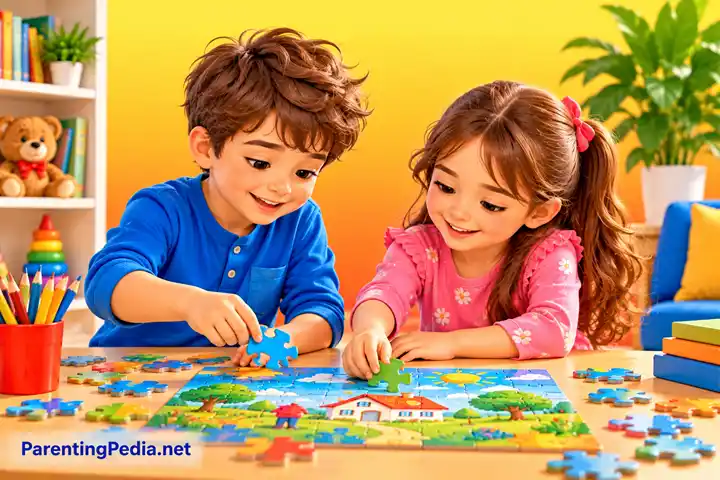
Sibling rivalry prevention as children work together on a puzzle
Siblings build cooperation and teamwork by solving a puzzle together.

When Should Parents Be Concerned?

Occasional disagreements are common, but repeated aggression is not ordinary conflict. Take it seriously if a child intimidates a sibling, causes injuries, threatens them, destroys belongings, or uses fear to control them. Notice if a child becomes anxious, withdrawn, or afraid to use shared spaces.

If conflict escalates, causes harm, or affects a child’s well-being, seek advice from a paediatrician, child-development professional, or family therapist. Nationwide Children’s Hospital’s sibling rivalry guidance offers further information for families dealing with persistent conflict.

Frequently Asked Questions

Is sibling rivalry normal?

Some disagreement is common as children learn to manage emotions and share space. Intimidation, violence, or ongoing distress should not be dismissed as normal.

Should I always take the younger child’s side?

No. A younger child may need more help expressing feelings, but age alone does not determine who is right. Listen to both and respond to behaviour, not assumptions.

How can I reduce fights over toys?

Set turn-taking rules and reasonable time limits. Some belongings can remain personal. If an argument becomes aggressive, separate the children and address safety first.

What if the fighting continues?

Look for triggers, keep rules consistent, and practise problem-solving when calm. Seek professional guidance if conflict stays intense, causes harm, or affects a child.

Conclusion

Learning to handle sibling rivalry takes patience. Children may still argue in a supportive home. Help them name feelings, respect boundaries, and repair relationships. Avoid comparisons, make time for each child, and notice cooperation. The goal is not a home without conflict, but one where children feel safe, heard, and respected.

Author’s Note

ParentingPedia.net shares practical, evidence-informed parenting information for general educational purposes. This article is not a substitute for personalised professional advice when family conflict or a child’s well-being requires additional support.

Sources & Further Reading

  1. American Academy of Pediatrics — Sibling Relationships
  2. Child Mind Institute — When Siblings Won’t Stop Fighting
  3. Nationwide Children’s Hospital — Sibling Rivalry

Finding Joy In Parenting Despite Challenges

Finding Joy In Parenting Despite Challenges

Parenting is one of life’s most rewarding experiences, but it also comes with its share of challenges. Sleepless nights, tantrums, financial pressures, and the constant demand for attention can make it feel overwhelming at times. However, amidst the struggles, parenting can also bring immense joy and fulfillment. By focusing on the positives, embracing the journey, and finding practical ways to cope with difficulties, parents can rediscover the happiness in raising their children. This article explores how parents can find joy in parenting despite its challenges and create a loving, supportive environment for their families.

Understanding The Challenges Of Parenting

Parenting involves responsibilities that can sometimes feel daunting. Understanding these challenges is the first step in overcoming them:

  • Time Constraints: Balancing work, household responsibilities, and time with children can leave parents feeling overwhelmed.
  • Emotional Exhaustion: Constant care and attention can lead to tiredness and exhaustion in children, especially when children are young or going through difficult phases.
  • Financial Pressure: Providing for a family often comes with financial stress for parents, from daily expenses to saving for the future.
  • Behavioral Challenges: Managing tantrums of children, sibling rivalry, or teenage rebellion can test parents patience.
  • Self-Doubt: Many parents worry about whether they are doing enough for children or making right decisions for them.

While these challenges are real, they don’t have to overshadow the joys of parenting. By shifting perspectives and adopting effective strategies, parents can face these difficulties with greater ease.

Shifting Perspective Of Parents

Finding joy in parenting often starts with a change in mindset. Here are some ways to focus on the positive aspects of raising children:

1. Appreciate The Little Moments

Parenting is full of small, beautiful moments that can bring immense joy like baby’s first smile, a heartfelt “I love you,” or a shared laugh. Focusing on these moments can help you stay connected to the rewards of parenting.

2. Embrace Imperfection

No parent is perfect, and that is okay. Accepting that mistakes are part of the journey can relieve pressure and help parents focus on doing their best.

3. Celebrate Progress

Children grow and learn in small steps. Celebrate their achievements, no matter how minor they may seem, and take pride in your role in their development.

4. Practice Gratitude

Reflect on the positive aspects of your parenting journey. Whether it is the opportunity to watch your children grow or the lessons they teach you, gratitude can help shift your focus from challenges to blessings.

Practical Ways To Find Joy In Parenting

In addition to changing your mindset, practical steps can make parenting more enjoyable and less stressful. Here are some strategies:

1. Create Special Family Traditions

Family traditions create lasting memories and strengthen bonds between parents and children. Whether it is a weekly movie night, baking cookies together, or a bedtime story ritual, these moments can become appreciated highlights of your parenting journey.

2. Spend Quality Time Together

Quality time does not have to be elaborate. Simple activities like playing a board game, taking a walk, or cooking a meal together can bring joy and deepen your connection with your children.

3. Take Care of Yourself

Self-care is essential for finding joy in parenting. When you are well-rested and healthy, you will have more energy and patience for your children. Make time for hobbies, exercise, and rest, even if it is just a few minutes a day.

4. Build a Support System

Connect with other parents, friends, or family members who can offer advice, encouragement, or simply a listening ear. Sharing your experiences and learning from others can make parenting feel less isolating.

5. Simplify Your Life

Too many commitments can lead to stress. Prioritize what matters most and let go of unnecessary tasks or obligations. Simplifying your schedule can free up time for joyful moments with your children.

6. Focus on Play

Children learn and connect through play. Joining them in their games, even for a short time, can be a fun way to bond and experience their world.

Finding Joy In Parenting Despite Challenges

Overcoming Specific Parenting Challenges

Here are some ways to address common parenting challenges while maintaining a sense of joy:

1. Sleepless Nights

Lack of sleep is a major challenge, especially for parents of newborns. To cope, try to rest when your child sleeps, share nighttime duties with your partner, and remind yourself that this phase will not last forever.

2. Tantrums and Behavioral Issues

Dealing with tantrums can be exhausting. Stay calm, set clear boundaries, and remember that tantrums are a normal part of development. Look for patterns or triggers and address them proactively.

Also Read: Understanding Low Confidence In Children

3. Teenage Rebellion

The teenage years can be tough, but they are also an opportunity to guide your child toward independence. Keep communication open, show empathy, and focus on building mutual respect.

4. Work-Life Balance

Balancing work and parenting is a common struggle. Set boundaries, divide tasks, and make time for family without feeling guilty about your professional responsibilities.

Building Resilience as a Parent

Resilience is key to finding joy in parenting, especially during tough times. Here is how to build it:

1. Stay Flexible: Parenting rarely goes as planned. Being open to change and adaptability in approach can reduce parents frustration and help them handle challenges more effectively.

2. Learn from Challenges: Every parenting struggle is an opportunity to grow. Reflect on what each challenge teaches you and use those lessons to become more confident and capable.

3. Focus on Long-Term Goals: Focusing on long-term goals in parenting means nurturing values, resilience, and independence in children. Prioritize teaching empathy, responsibility, and problem-solving skills to children over immediate rewards. Create a foundation for lifelong success by modeling positive behavior, promoting emotional intelligence, and encouraging a love for learning in children that will guide them through adulthood.

4. Practice Mindfulness: Practice mindfulness in parenting by staying present, listening actively, and responding with patience to children. Mindfulness and focusing on the present moment without judgment can help parents appreciate the joys of parenting and manage stress more effectively.

For more helpful parenting tips, visit-loveyoumommy

Conclusion

Parenting is a journey filled with ups and downs, but the joy it brings is exceptional. By focusing on the positive aspects, embracing imperfections, and adopting practical strategies, parents can find happiness even during challenging times. Remember, the most important thing parents can give children is their love and presence. Parents should celebrate the little victories, treasure the special moments, and remind themselves that they are making a difference in their child’s life every single day. Finding joy in parenting is not about being perfect; it is about being present and enjoying the beautiful and rewarding journey of raising a family.

FAQ

How do you find joy in parenting?

Find joy in parenting by cherishing small moments like laughter, hugs, and shared experiences. Embrace imperfections, celebrate your child’s uniqueness, and focus on their growth. Practice gratitude, maintain balance with self-care, and reframe challenges as opportunities to connect and learn together, building lasting memories and a deep, loving bond with children.

What is the biggest challenge when it comes to parenting?

The biggest challenge in parenting is balancing responsibilities while meeting a child’s emotional, physical, and developmental needs. Navigating tantrums, setting boundaries, and managing time can be overwhelming. Parents often struggle with maintaining patience, self-care, and consistency, all while providing a supportive environment that nurtures their child’s individuality and long-term growth.

Remember, the greatest reward of parenting lies in watching
your children soar with love and confidence.